

Industrial facilities are busy places. Machines hum, air flows through ductwork, ovens run hot, and production lines rarely slow down. But behind all that activity, something interesting happens every day: energy escapes. Heat rises, exhaust streams flow out, and valuable thermal energy quietly disappears into the atmosphere.
If factories had personalities, they would probably complain about it.
“Hey… wasn’t that heat expensive?”
The good news is that modern industrial technology is getting smarter about this. Facilities are increasingly capturing that lost energy through heat recovery systems and improving efficiency with advanced waste heat recovery systems and thermal cleaning solutions.
Let’s take a look at how modern factories are reclaiming energy, improving environmental performance, and making their equipment work a little smarter.
The Energy Escape Artist: Where Industrial Heat Actually Goes

Imagine boiling water with the lid off the pot. The heat still cooks the food, but a lot of energy escapes into the air.
Industrial processes behave the same way.

Many manufacturing systems generate large amounts of heat. This includes:
-
industrial oven operations
-
paint booth ventilation systems
-
exhaust from a thermal oxidizer
-
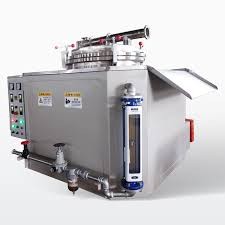
high-temperature thermal cleaning equipment
All of these systems produce heat as part of their operation. Without recovery technology, much of that thermal energy simply leaves through exhaust stacks.
That’s where heat recovery systems enter the story. Instead of letting heat drift away, these systems capture it and reuse it in other parts of the process.
Think of it as industrial recycling — but for temperature.
Waste Heat Isn’t Waste (It’s Just Misplaced)
Factories often generate more heat than they realize. This excess energy can come from drying processes, curing operations, chemical reactions, or emissions control systems.
Waste heat recovery systems are designed to capture this otherwise lost thermal energy and redirect it where it can be useful.
Some common uses include:
-
Preheating incoming air for industrial oven systems
-
Supporting combustion processes in a thermal oxidizer
-
Heating process fluids or water
-
Improving energy efficiency in a paint booth drying cycle
Instead of running additional burners or heaters, facilities can reuse heat that already exists in the system.
The result?
Lower fuel consumption, improved efficiency, and reduced emissions.
Not bad for energy that used to disappear into the sky.
The Industrial Oven: Hot, Busy, and Slightly Energy Hungry
Industrial ovens are workhorses across many industries. They are used for curing coatings, drying materials, heat-treating components, and processing products at controlled temperatures.
But they can also be energy intensive.
An industrial oven operates by circulating heated air through a chamber. During operation, hot air eventually exits the system as exhaust. That air still contains valuable thermal energy.
By integrating heat recovery systems, facilities can capture that heat before it escapes.
Recovered energy can then be used to:
-
Preheat incoming air
-
Support adjacent production equipment
-
Reduce burner workload
In many facilities, this approach significantly improves efficiency without changing the core production process.
It’s like letting your oven help heat the house — except on a much bigger scale.
Paint Booths: Where Airflow Is Everything
A paint booth may look simple from the outside, but inside it’s a carefully controlled environment.
Airflow keeps overspray contained, maintains consistent coating quality, and protects worker safety. Large volumes of air move continuously through these systems.
And when that air leaves the booth?
It often carries heat with it.
By incorporating waste heat recovery systems, facilities can reclaim that warm exhaust air and use it to support other processes, such as:
-
Preheating makeup air for the paint booth
-
Assisting curing ovens
-
Supporting facility heating
Since paint booth systems run frequently, they represent an excellent opportunity for energy recovery.
The booth keeps the paint smooth — and the heat recovery keeps the energy bill calmer.
Thermal Cleaning Equipment: When Heat Does the Dirty Work
Industrial components eventually get dirty. Coatings build up, residues form, and equipment requires cleaning.
Traditional cleaning methods often involve chemicals or mechanical scraping. But thermal cleaning equipment uses a different strategy: controlled high temperatures.
This process breaks down organic materials like paint, polymers, and oils, leaving behind clean metal components.
Thermal cleaning solutions are especially useful for:
-
paint hooks and racks
-
industrial oven racks
-
manufacturing fixtures
-
polymer processing equipment
By using heat to remove residue, facilities reduce the need for harsh chemicals while maintaining equipment performance.
And yes — even these cleaning processes can benefit from heat recovery systems to reuse energy generated during the process.
Thermal Oxidizers: The Environmental Gatekeepers
Industrial emissions control is a major focus for modern manufacturing. One of the most widely used technologies for treating volatile organic compounds (VOCs) is the thermal oxidizer.
A thermal oxidizer works by heating contaminated exhaust gases to high temperatures. This breaks down harmful pollutants into less harmful components like carbon dioxide and water vapor.
But there’s a catch.
The process generates a lot of heat.
Instead of letting that heat escape, many facilities integrate waste heat recovery systems into the oxidizer design. Recovered energy can then support upstream processes such as:
-
heating incoming process air
-
supporting an industrial oven
-
assisting paint booth curing operations
This approach improves efficiency while maintaining environmental compliance.
In short: the system cleans emissions and helps power the plant at the same time.
When Systems Start Working Together
The real magic happens when multiple technologies operate as part of a coordinated energy strategy.
Modern facilities often connect several systems together:
-
thermal oxidizer units
-
industrial oven operations
-
paint booth ventilation
-
thermal cleaning equipment
By integrating heat recovery systems across these technologies, energy flows through the facility more intelligently.
Instead of isolated machines, the plant becomes an interconnected thermal ecosystem.
Heat generated in one area supports another process somewhere else.
It’s almost like the machines are cooperating.
(Which is impressive, considering they never attend meetings.)
Thermal Cleaning Solutions in the Age of Smarter Manufacturing

Industrial cleaning has evolved significantly over the years. Today’s thermal cleaning solutions focus not only on effectiveness but also on sustainability and efficiency.
Facilities are increasingly selecting systems that:
-
reduce chemical use
-
minimize environmental impact
-
integrate with waste heat recovery systems
-
support long-term operational efficiency
Thermal cleaning equipment can also extend the life of production fixtures, reducing material waste and improving consistency.
When combined with heat recovery systems, these technologies allow facilities to clean equipment efficiently while making better use of generated heat.
It’s efficiency meeting maintenance — and both are winning.
Interactive Corner: “Wait… How Does This Actually Work?”
Let’s pause for a quick curiosity check. These are questions many readers ask when they first explore modern industrial energy technology.
Why are heat recovery systems important?
Because industrial processes generate large amounts of heat. Capturing and reusing that energy reduces fuel consumption, lowers operational costs, and improves overall efficiency.
Are waste heat recovery systems difficult to install?
Not always. Many systems can be integrated into existing exhaust streams from equipment like an industrial oven, paint booth, or thermal oxidizer.
Do thermal cleaning solutions replace chemical cleaning?
In many cases, yes. Thermal cleaning equipment can remove organic residues without chemical solvents, making it a cleaner and often more efficient option.
Can a thermal oxidizer really produce reusable heat?
Absolutely. Many oxidizers operate at very high temperatures, making them ideal candidates for waste heat recovery systems that redirect energy back into production processes.
Do these technologies improve sustainability?
Yes. By capturing energy that would otherwise be lost, facilities can significantly reduce fuel consumption and emissions while maintaining productivity.
Curiosity leads to better engineering decisions — so asking questions is always encouraged.
The Quiet Efficiency Revolution in Industrial Facilities
For decades, manufacturing focused primarily on production speed and output. Today, efficiency and sustainability are just as important.
Technologies like heat recovery systems, thermal cleaning equipment, and modern waste heat recovery systems represent a quiet but powerful shift in industrial thinking.
Instead of asking, “How much energy do we need?”
Facilities are asking a better question:
“How much energy do we already have?”
By capturing, redirecting, and reusing heat across processes — from industrial oven operations to paint booth airflow and thermal oxidizer exhaust — factories are becoming more efficient without sacrificing performance.
And that’s good for production, budgets, and the environment.
Final Thought: The Heat Was Always There

Factories have always produced heat.
The difference today is that industries are finally treating that heat as a resource instead of a byproduct.
Through smarter engineering and better integration of heat recovery systems, waste heat recovery systems, and advanced thermal cleaning solutions, facilities can operate more intelligently while keeping processes running smoothly.
So the next time a machine vents warm air into the sky, remember:
Somewhere out there, an engineer is designing a way to bring that heat back to work.





