
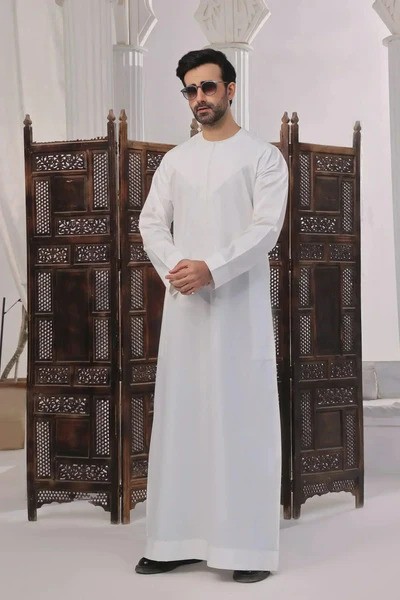
The Omani thobe, also known as the dishdasha, is more than just traditional clothing. It represents the rich culture, heritage, and identity of Oman. For centuries, Omani men have proudly worn this elegant attire in their daily lives, religious gatherings, and special occasions. With its simple yet sophisticated design, the Omani thobe perfectly reflects the values of modesty, tradition, and style that are deeply rooted in Omani society.
The Cultural Significance of the Omani Thobe
Traditional clothing often tells a story about a nation’s culture, and the Omani thobe is no different. In Oman, the thobe is a symbol of pride and tradition. It is commonly worn by men of all ages, from young boys to elders. Whether it’s a casual day at work or a formal event such as weddings or religious celebrations, the Omani thobe remains a preferred choice.
One of the reasons behind its popularity is the respect Omanis have for their traditions. Even in modern times, when western fashion has become common in many parts of the world, the Omani thobe continues to hold its importance. It reflects the strong connection between the people of Oman and their cultural roots.

Unique Design and Features
What makes the Omani thobe stand out from other traditional garments in the Gulf region is its unique design. At first glance, it may look similar to the thobes worn in other Middle Eastern countries, but there are several distinctive features.
The most noticeable feature is the “furakha”, a decorative tassel attached to the neckline. This tassel is often scented with traditional perfumes such as oud or rose fragrance, giving the wearer a pleasant and refreshing aroma throughout the day. This small detail adds a touch of elegance and individuality to the outfit.
Unlike some other Gulf thobes, the Omani thobe usually does not have a collar. Instead, it has a simple round neckline with a short stitched opening at the front. The design focuses on comfort and practicality, which makes it suitable for Oman’s warm climate.
The sleeves are long and slightly loose, allowing easy movement. The overall structure of the thobe is straight and modest, providing both comfort and a dignified appearance.
Fabric and Comfort
The fabric used in Omani thobes plays a major role in their comfort and popularity. Since Oman has a hot climate for most of the year, lightweight and breathable fabrics are commonly used.

Cotton is one of the most popular materials for everyday wear because it is soft, comfortable, and allows air circulation. For formal occasions, men often choose high-quality fabrics such as fine polyester blends or luxurious materials that give the thobe a more polished and elegant look.
The choice of fabric also depends on the season. During cooler months, slightly thicker fabrics may be used to provide warmth while maintaining the traditional style.
Colors and Style Variations
Although the classic Omani thobe is traditionally white, there are many other colors available today. Shades like beige, cream, light grey, and soft blue are also popular among Omani men. These colors maintain the traditional aesthetic while adding a modern touch to the outfit.
For special occasions such as weddings, religious festivals, or official gatherings, men may choose thobes made from premium fabrics with fine stitching and elegant finishing. These small style variations allow individuals to express their personality while still respecting traditional dress codes.
The Omani Thobe in Modern Fashion
While the Omani thobe has deep traditional roots, it has also adapted to modern fashion trends. Today, designers experiment with subtle details, improved tailoring, and higher-quality fabrics to make the garment even more stylish and comfortable.
Many men now prefer customized thobes that are tailored to their exact measurements. This ensures a perfect fit and a refined appearance. Modern tailoring techniques have made the Omani thobe not only a traditional outfit but also a fashionable choice for contemporary men.
Despite these modern touches, the essence of the Omani thobe remains unchanged. It continues to symbolize modesty, respect, and cultural pride.
Global Popularity
In recent years, the Omani thobe has gained popularity beyond Oman. Many people across the Middle East, South Asia, Europe, and even North America appreciate its elegant design and cultural significance.
Muslim communities around the world often choose traditional garments like the Omani thobe for religious gatherings, Friday prayers, and special occasions such as Eid. Its modest design and comfortable fit make it a suitable option for men who want both tradition and style.
Online stores and international clothing brands have also played a role in making Omani thobes more accessible to people worldwide. This has helped spread awareness about Omani culture and traditional fashion.
Why the Omani Thobe Remains Timeless
The true beauty of the Omani thobe lies in its simplicity and cultural meaning. It is not just a piece of clothing but a representation of tradition, identity, and respect for heritage. Its comfortable design, elegant appearance, and cultural importance make it a timeless garment that continues to be loved by generations.
In a world where fashion trends constantly change, the Omani thobe stands as a reminder that true style often lies in tradition. It connects the past with the present and allows people to celebrate their culture with pride.
Conclusion
The Omani thobe is a perfect example of how traditional clothing can remain relevant in modern times. With its distinctive design, comfortable fabrics, and deep cultural significance, it continues to be an essential part of Omani identity.





