
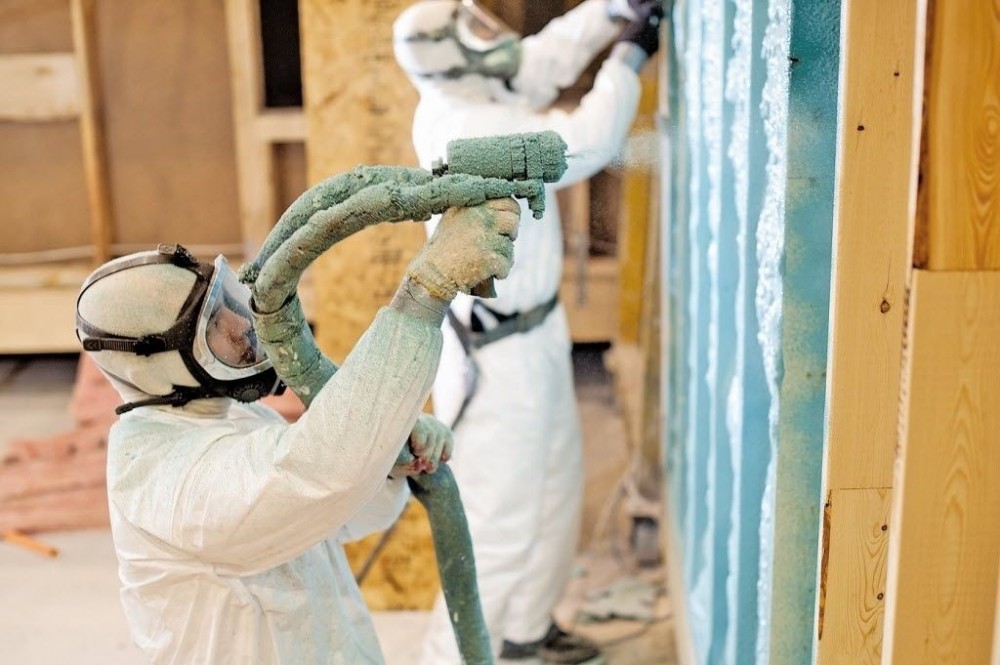
Spray Foam Insulation Services affect each part of a building in different ways. They seal air leaks, reduce heat flow, and improve moisture control in attics, walls, crawl spaces, and roofs. The result is better comfort, lower energy use, and longer building life.

This article explains how Spray Foam Insulation Services, Spray Foam Insulation Experts, Spray Foam Insulation Contractor, and Spray Foam Insulation Company solutions impact specific areas. It draws on field experience and current building trends to give clear, practical guidance for property owners and managers.
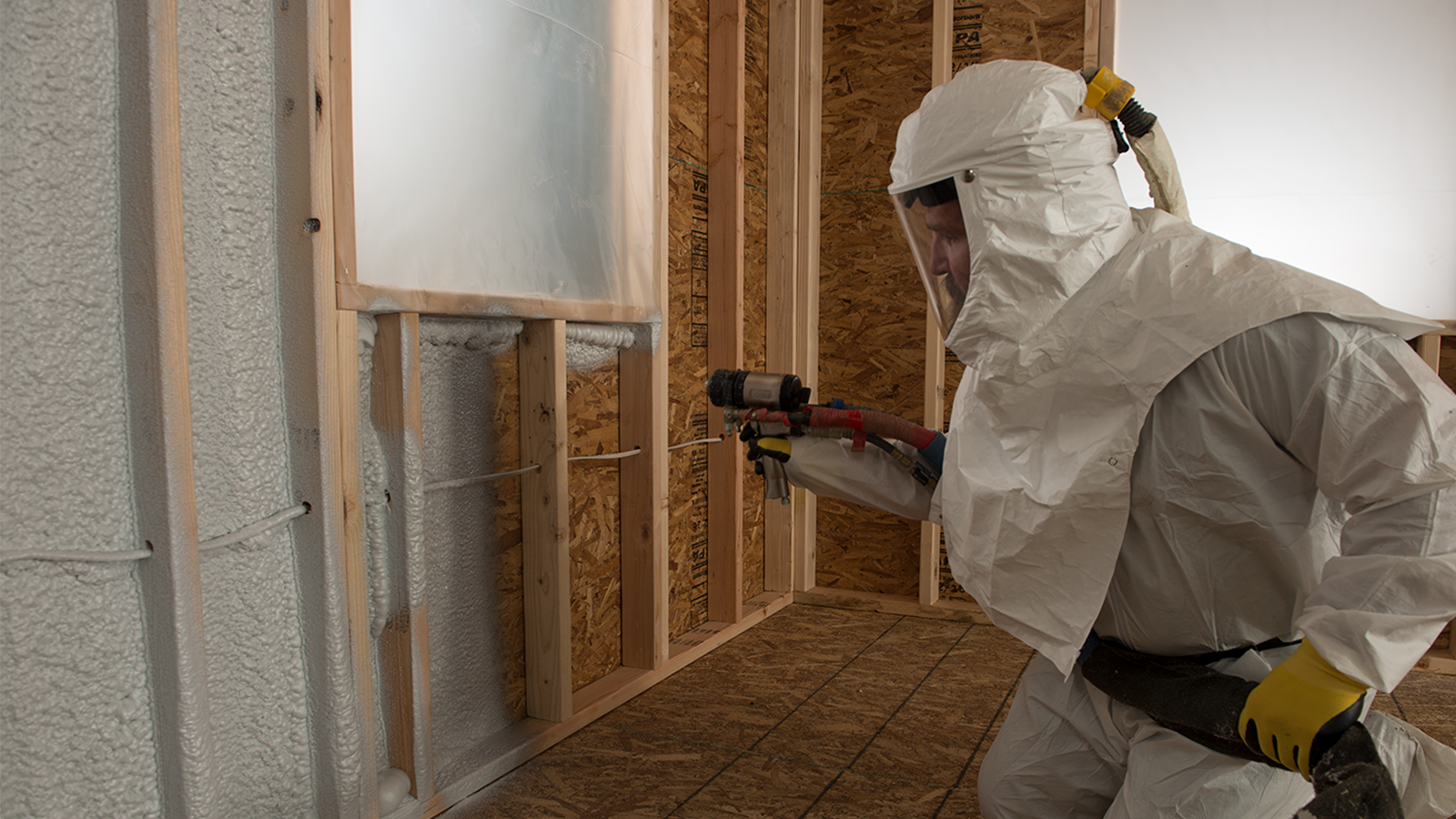
Attic Performance and Energy Control
The attic is often the largest source of heat gain or loss. In warm climates, attic temperatures can exceed 130°F in summer. Poor insulation forces cooling systems to work harder and longer.

Spray Foam Insulation Services create a sealed attic space that reduces heat transfer and air leaks. This improves indoor comfort and protects ductwork placed in attic areas.
Air Sealing at the Roofline
Sealing at the roof deck keeps outside heat from entering the living space below. It also reduces dust and airborne pollutants.
Conditioned Attic Spaces
When spray foam is applied along the roofline, the attic becomes part of the conditioned envelope. HVAC systems operate more efficiently in these controlled spaces.
Bonus Tip Seal Penetrations First
Before applying foam, seal wiring holes and vent gaps. This ensures even coverage and better long term results.
Impact on Energy Bills
Energy studies show that heating and cooling account for about 40 to 50 percent of home energy use in many regions. Tight attic insulation can reduce that demand by limiting air leakage.
Buildings with sealed attics often see:
- More stable indoor temperatures
- Less strain on HVAC equipment
- Reduced monthly utility costs
Wall Cavities and Indoor Comfort
Walls connect indoor and outdoor environments. Gaps around framing, outlets, and plumbing allow unwanted airflow.
Spray Foam Insulation Experts focus on wall cavities to control both heat flow and drafts. This improves comfort across all seasons.
Open Cell vs Closed Cell in Walls
Different foam types suit different wall needs. The table below compares basic features.
|
Feature |
Open Cell Foam |
Closed Cell Foam |
|---|---|---|
|
Density |
Light |
Dense |
|
Air Seal |
Strong |
Very Strong |
|
Moisture Resistance |
Moderate |
High |
|
Sound Control |
Good |
Moderate |
|
Structural Support |
Low |
Adds rigidity |
Closed cell often works well in exterior walls where moisture control matters. Open cell can help reduce sound between rooms.
Moisture Control in Humid Zones
In humid areas, moisture buildup in walls can lead to damage. Closed cell foam adds a vapor barrier effect that reduces this risk.
Bonus Tip Match Foam to Climate
Choose foam density based on local weather patterns. Dry desert regions and humid coastal zones require different strategies.
Crawl Spaces and Foundations
Crawl spaces and foundations affect indoor air quality and structural durability. Unsealed crawl spaces allow moisture and outside air to enter.
Spray Foam Insulation Services applied to foundation walls help control dampness and reduce cold floors above.
Sealed Crawl Space Systems
Encapsulated crawl spaces create a controlled environment below the home. Foam insulation on foundation walls limits air infiltration.
Reduced Floor Drafts
Sealing below the living area stops cold air from rising through flooring. Occupants feel more even temperatures throughout the home.
Bonus Tip Address Drainage First
Before insulating, confirm that exterior drainage directs water away from the foundation. Dry conditions improve insulation performance.
Roofing Systems and Commercial Spaces
Large roof surfaces impact commercial and industrial buildings more than any other area. Heat gain through the roof increases cooling loads.
A qualified Spray Foam Insulation Contractor can apply foam directly to roof decks or exterior surfaces. This creates a continuous insulation layer.
Spray Foam on Low Slope Roofs
Foam roofing systems provide both insulation and water resistance. They conform to irregular surfaces and seal seams.
Market data shows that energy efficient roofing systems can cut cooling costs in commercial buildings by 20 percent or more in hot climates.
Protection from Thermal Stress
Foam insulation reduces daily expansion and contraction of roofing materials. This can extend roof life.
Bonus Tip Inspect Annually
Regular roof inspections help maintain protective coatings and surface integrity.
Impact on Sound and Indoor Air Quality
Spray foam does more than control temperature. It also limits airborne noise and reduces the entry of dust and allergens.
Spray Foam Insulation Company teams often highlight these added benefits for schools, offices, and multi family buildings.
Noise Reduction Between Rooms
Open cell foam absorbs sound waves. It works well in interior partitions where privacy matters.
Air Quality Improvements
By sealing cracks and joints, foam reduces outdoor pollutants entering the structure. Balanced ventilation systems should still be installed to maintain fresh air flow.

Things to Consider Before Making a Decision
Before selecting insulation, property owners should evaluate their building type and goals.
Building Age and Existing Materials
Older buildings may need repairs before foam installation. Damaged framing or moisture issues should be addressed first.
Climate Conditions
Hot, cold, or humid climates require tailored insulation approaches. A knowledgeable Spray Foam Insulation Contractor assesses these factors before application.
Budget and Long Term Goals
While initial costs may vary, energy savings and reduced maintenance can offset investment over time.
Energy efficient upgrades can also increase property value. Studies show that high performance insulation may improve resale appeal in competitive markets.
Questions People Ask About Spray Foam Insulation
Does spray foam insulation reduce HVAC wear?
Yes. By limiting air leaks and heat gain, it reduces runtime for heating and cooling systems. This can extend equipment lifespan.
Can spray foam insulation be added to existing homes?
Yes. It can be installed in attics, walls, and crawl spaces during renovations or retrofits.
Is spray foam insulation safe for indoor spaces?
When installed correctly and allowed to cure, it is safe for occupied buildings. Proper ventilation during installation is essential.
How long does spray foam insulation last?
It can last for decades without settling or sagging. Its adhesion helps maintain consistent performance.
Does spray foam insulation help with moisture control?
Closed cell foam limits moisture movement through walls and roofs. This reduces the risk of mold and structural damage.
Make Informed Choices for Each Area
Spray Foam Insulation affects attics, walls, crawl spaces, and roofs in distinct ways. It seals air leaks, reduces energy waste, and improves indoor comfort across the entire structure.
Property owners should review their building design, climate conditions, and long term goals before choosing insulation. Evaluating each area separately helps ensure the right solution for lasting performance.
Get Guidance from a Local Resource
For those seeking detailed advice, Supreme Spray Foam LV provides information and project support tailored to local building needs. They can be reached at (702) 904-9895 or info@supremesprayfoamlv.com. Speaking with an experienced team helps ensure insulation aligns with structure type, climate exposure, and performance goals.
Reviewer: Michael Carter reviewed this article using insight gained over 12 years in the spray foam business. His feedback focused on helping contractors reach new customers without overcomplicating their message.





