
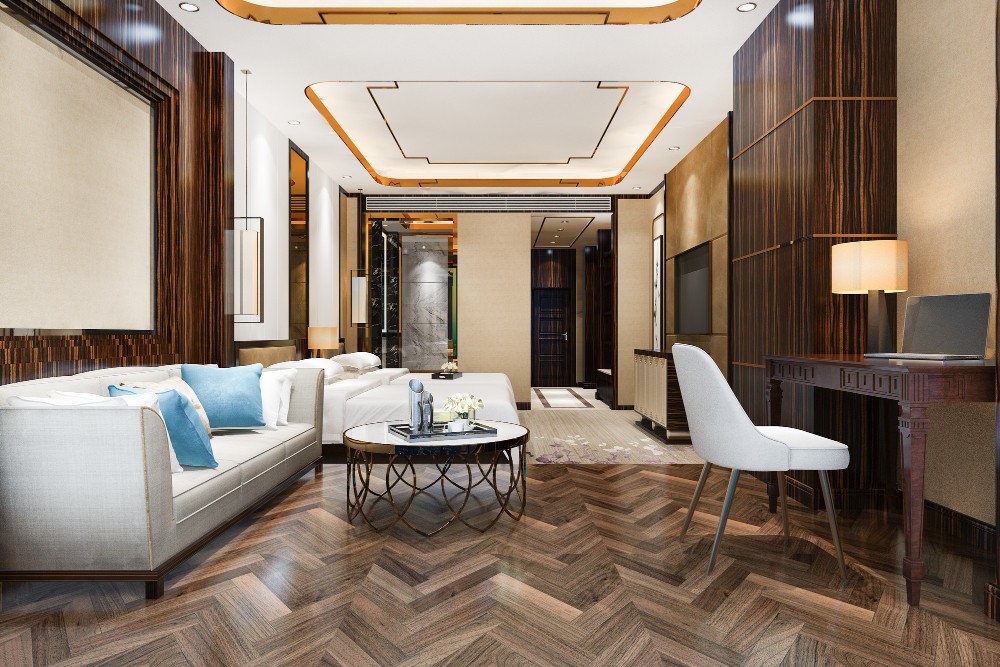
Step into a Vancouver home on a rainy afternoon and something feels different. The windows are large, almost unapologetically so. Light filters in even when the sky is heavy. Wood tones soften the grey outside. There’s space to breathe.
That atmosphere isn’t accidental. Interior design Vancouver projects are deeply shaped by geography, climate, and culture. West Coast living isn’t just a slogan used in real estate listings — it’s a rhythm. Slower than Toronto. Less flashy than Los Angeles. Grounded in nature, but unmistakably urban.
Design here reflects that tension beautifully.

Light as a Design Priority, Not a Bonus
Vancouver winters are long and often overcast. That reality changes how interiors are planned from the ground up.
Large windows are common, but thoughtful designers go further. Walls are positioned to maximize natural daylight. Skylights appear in unexpected corridors. Reflective surfaces — not glossy, but gently luminous — bounce available light deeper into rooms.
Why such obsession with brightness? Because light affects mood. In darker climates, interiors must compensate. Homes become retreats from the damp outdoors. A poorly lit space can feel claustrophobic by February.
West Coast living values mental well-being. So interiors adapt accordingly.
Nature Is Not Decoration — It’s Structure
In many cities, plants and organic materials serve as finishing touches. In Vancouver, they are foundational.

Engineered hardwood floors in oak or fir. Stone countertops that echo nearby mountain textures. Linen upholstery that feels breathable rather than ornate. These choices aren’t about trend; they mirror the landscape outside.
Ever noticed how many Vancouver homes blur the line between indoors and outdoors? Sliding glass walls open onto covered patios. Living rooms flow directly into garden terraces. Even in smaller condos, balconies are treated as extensions of interior space.
This isn’t minimalism for aesthetics. It’s continuity.
The Pacific Northwest environment demands respect. Design here doesn’t fight it. It collaborates.
Calm Over Clutter
West Coast culture leans casual, but not careless. There’s an understated confidence in how spaces are composed.
Open layouts remain popular, though they’ve evolved. Instead of vast empty rooms, subtle zoning now defines areas for work, relaxation, and entertaining. Built-in shelving conceals storage. Mudrooms handle the practical realities of rain-soaked jackets and hiking boots.
It’s a lived-in elegance.
Vancouver residents tend to prioritize functionality over ornamentation. Homes need to support active lifestyles — skiing in winter, paddleboarding in summer, cycling year-round. Interiors quietly accommodate gear without feeling like storage units.
Clean lines. Hidden compartments. Smart spatial planning.
Short sentence. Big impact.
Sustainability as a Lifestyle Choice
Environmental consciousness runs deep on the West Coast. That awareness shapes interior decisions in visible and invisible ways.
Low-VOC paints. Energy-efficient lighting systems. Reclaimed wood accents. Locally sourced materials. These elements are integrated early in the design process, not added as marketing buzzwords.
Sustainability also influences longevity. Instead of chasing fleeting trends, homeowners invest in timeless materials that age gracefully. Neutral palettes dominate — warm greys, sandy beiges, forest greens — tones that echo the coastline and mountains.
Strange, but true: restraint often feels more luxurious than excess.
Design here respects the future. And the planet.
Urban Sophistication with Coastal Ease
Vancouver is not a rustic retreat. It’s an international city with high-rise condos, luxury developments, and a thriving arts scene. Interiors reflect that dual identity.
In Yaletown apartments, sleek kitchens and integrated appliances nod to cosmopolitan living. In West Vancouver estates, expansive layouts frame panoramic views with quiet confidence.
But even in high-end properties, the mood rarely feels ostentatious. There’s polish, yes — but also softness. Textiles invite touch. Lighting is layered rather than harsh. Furniture proportions prioritize comfort over drama.
Why? Because West Coast living values experience over display.
Rooms are designed to host conversations, not just photographs.
Personal Expression Within a Natural Framework
While minimalism dominates many Vancouver interiors, there’s growing space for individuality. Art collections, travel souvenirs, vintage finds — they appear more often now.
This is where styles begin to overlap. Some projects lean toward layered compositions that blend eras and textures. The rise of eclectic interior design Vancouver reflects a desire for personality without abandoning cohesion.
The key difference lies in balance. Even eclectic spaces maintain breathing room. Negative space remains intentional. Nature-inspired palettes ground bolder elements.
It’s not chaos. It’s curated freedom.
Designing for Rain, Reflection, and Reality
Perhaps the most defining feature of Vancouver interiors is emotional tone.
Rain shapes daily life here. It encourages introspection. Slows movement. Creates intimacy indoors. Interiors respond with warmth — fireplaces, textured throws, ambient lighting that glows rather than shines.
At the same time, the city’s outdoor culture demands resilience. Durable finishes matter. Practical entryways matter. Storage planning matters.
Beauty alone isn’t enough.
West Coast living blends contemplation with activity. Urban ambition with environmental awareness. Interior spaces absorb those contradictions and translate them into material form.
The result?
Homes that feel calm without being dull. Sophisticated without shouting. Connected to nature without pretending to be remote cabins.
Interior design in Vancouver does more than follow trends. It listens — to climate, to culture, to landscape — and shapes spaces that quietly belong to their surroundings.
And that sense of belonging is what truly defines West Coast living.





