

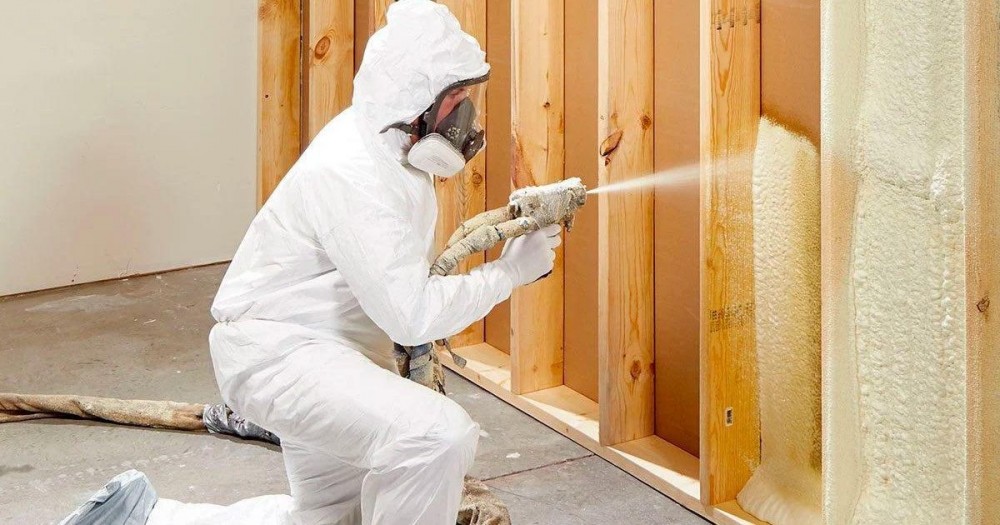
Spray Foam controls humidity by sealing air leaks and blocking moisture movement. It creates a tight barrier that limits warm, damp air from entering wall cavities and attics. This approach reduces condensation and keeps indoor air more stable.
Proper application lowers the risk of mold growth and structural damage. It improves comfort while cutting energy loss through gaps and cracks.
Industry data shows buildings with strong air sealing can reduce unwanted air leakage by up to 30 percent. Energy reports also indicate that effective insulation improves overall indoor air stability.

How Spray Foam Controls Indoor Humidity
Professional Spray Foam insulation works by sealing gaps where air and moisture enter. It expands to fill small spaces and hardens into a dense layer.
This layer restricts airflow and limits condensation inside walls. That control directly reduces damp conditions.
Air Sealing Method
Strong air sealing prevents humid outdoor air from mixing with cooler indoor surfaces.
- Seals cracks around windows and doors
- Blocks airflow through attic joints
- Reduces moisture buildup in wall cavities
Proper installation ensures even coverage. Trained Spray Foam Experts inspect surfaces before spraying.
Moisture Barrier Performance
Spray Foam forms a protective barrier against vapor movement. Closed-cell foam performs especially well in high-moisture areas.
Benefits of Vapor Resistance
It protects wood framing from long-term damp exposure.
It lowers the chance of mold forming behind walls.
It supports stable indoor humidity levels year-round.
Homes in humid regions often see better moisture balance after installation.
Spray Foam Application Techniques for Humidity Control
Correct technique affects how well the foam controls moisture. Thickness, density, and placement matter.
Layer Thickness Strategy
Installers apply foam in measured layers to reach proper R-value levels.
|
Foam Type |
Typical Thickness |
Moisture Control Level |
Best Use |
|---|---|---|---|
|
Closed-Cell |
2 to 3 inches |
High |
Basements, exterior walls |
|
Open-Cell |
3 to 5 inches |
Moderate |
Attics, interior walls |

This table shows how material choice impacts performance.
Target Areas for Installation
Focus on spaces where air leakage is common.
- Rim joists and foundation edges
- Attic floors and roof joints
- Crawl spaces
- Pipe and duct openings
Careful coverage in these zones improves humidity control across the structure.
Bonus Tips
- Test humidity levels before and after installation
- Seal visible gaps before spraying foam
- Use proper ventilation during curing
Regional Climate Impact on Humidity Control
Climate conditions affect how Spray Foam performs. Cold regions face condensation risks when warm indoor air meets cold surfaces.
Warm and humid regions require stronger vapor barriers to block moisture infiltration.
Cold Climate Considerations
In colder areas:
- Install thicker closed-cell foam
- Protect foundation walls
- Seal attic penetrations tightly
This approach reduces frost buildup inside wall cavities.
Warm Climate Considerations
In humid climates:
- Focus on full air sealing
- Apply foam around roof decks
- Limit moisture penetration from outside air
Market reports show demand for moisture-resistant insulation continues rising as energy efficiency standards increase across regions.
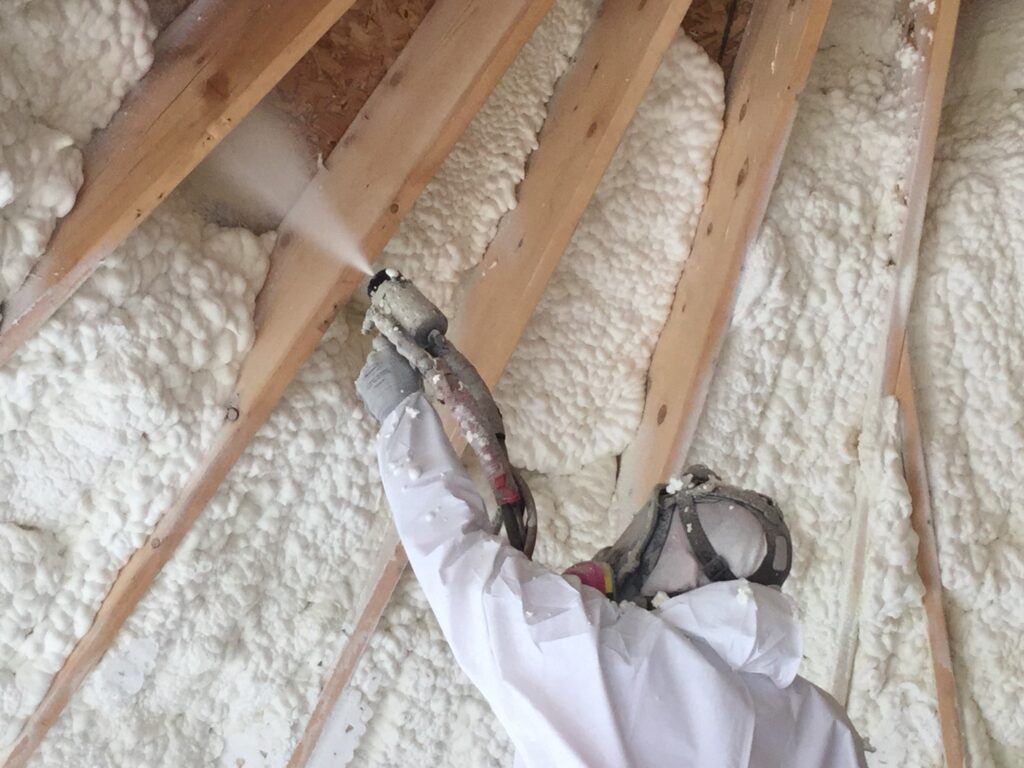
Things to Consider Before Making a Decision
Property owners should review key factors before choosing insulation.
- Existing insulation condition
- Building age and structure type
- Moisture history or past mold issues
- Budget for installation
An inspection helps identify weak spots that require treatment.
A trusted Spray Foam Company evaluates these factors before recommending thickness and material type.
Questions People Ask About
How does spray foam reduce humidity?
It seals air leaks and blocks moist air from entering walls. This limits condensation and stabilizes indoor moisture levels.
Which type of spray foam works best for humidity control?
Closed-cell foam offers stronger vapor resistance. It suits basements and exterior walls with high moisture exposure.
Can spray foam prevent mold growth?
It reduces moisture buildup that supports mold. Proper installation and ventilation remain important.
How long does spray foam last?
It can last decades when applied correctly. It maintains air sealing performance over time with minimal maintenance.
Does spray foam improve energy efficiency?
Yes. Studies show well-sealed buildings reduce heating and cooling loss by a noticeable percentage. Lower air leakage improves system efficiency.
Conclusion
Spray Foam controls humidity by sealing air gaps and limiting moisture movement. Proper installation improves comfort and protects building materials.
Material type, thickness, and climate conditions determine results. Careful planning ensures long-term performance.
Property owners should assess their structure and choose reliable guidance before starting.
Professional Support for Spray Foam Solutions
Selkirk Energy Solutions provides guidance on humidity control and insulation projects. Their team applies proven methods to improve air sealing and moisture protection.
They offer support through:
Email: office@selkirkenergy.com
Phone: (208) 295-9780
Working with experienced Spray Foam Services helps property owners choose correct material and coverage levels for their space.
Reviewer: With 11 years in the spray foam field, Aiden Baker reviewed this content and provided advice on building steady growth through practical, honest communication.





