

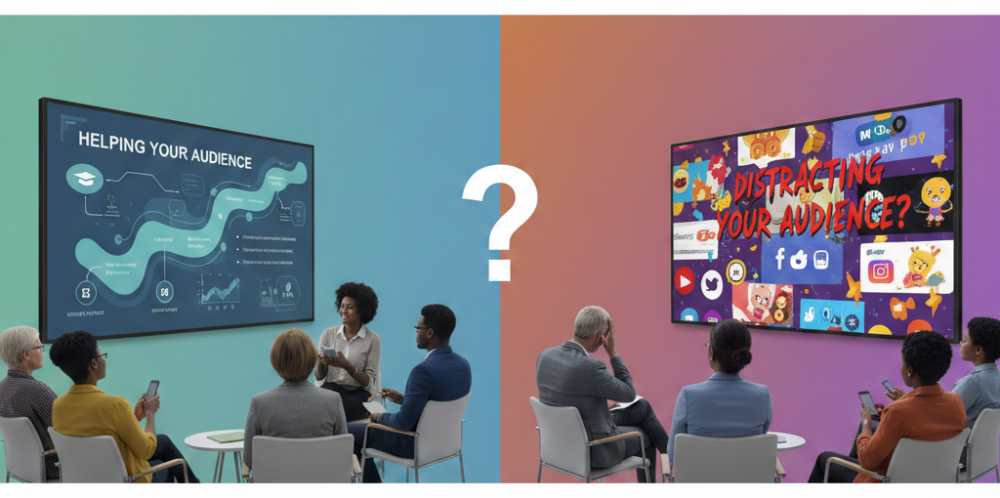
When you install an LED panel screen indoors, you expect it to improve communication in your space. You want it to grab attention, share useful information, and give your environment a modern and professional look. Whether it is in your office, showroom, hospital, hotel, or retail store, your goal is simple — to help people understand your message clearly.
But take a moment to think.

Is your screen really helping people understand what you want to say? Or is it just a bright display that people notice for a second and then ignore?
You may have invested in good technology. The resolution may be sharp and the brightness strong. But if the content is not planned properly, or if the screen is placed in the wrong spot, it can distract people instead of guiding them.
When you use an LED panel screen indoors without a proper plan, people see the light and movement, but they do not remember the message. That means your communication is not working the way it should.
How To Know if Your Indoor LED Panel Screen is Helping or Distracting Your Audience?
Here are a few things you need to take a note of before you invest in an indoor LED panel screen.
1. Are You Clear About Your Objective?
Before you create content, decide what you want the screen to do.

- Are you promoting a product?
- Are you sharing company updates?
- Are you guiding visitors through your space?
If you try to show everything at once, your message becomes confusing. Too many slides, too much text, or mixed visuals reduce clarity.
When you focus on one clear goal, your audience understands your message faster.
2. Is Your Screen Comfortable to Watch?
An indoor LED panel screen is bright and sharp. That is its strength. But indoors, balancing the color contrast is important.
If the screen is too bright, it can hurt the eyes. If the animations move too fast, they can feel distracting. Instead of helping, the screen becomes uncomfortable to watch.
Adjust the brightness to match the room. Keep transitions smooth and simple. When people feel comfortable, their attention span extends.
3. Is the Placement Right?
Placement makes a big difference.
If the screen is installed too high, too low, or placed in a corner, people may ignore it. Position it where people naturally look such as near entrances, waiting areas, or main walkways.
In meeting rooms, the LED panel screen should support the speaker. In retail stores, it should guide attention without blocking the view of products.
4. Are You Keeping the Message Simple?
People usually look at indoor screens for only a few seconds. You need to use that time wisely.
Avoid long paragraphs and congested designs. Use short headlines and proper easy-to-decode visuals. Focus on one message at a time.
Simple content is always easier to understand. And when people understand quickly, they remember your message and understand the intent of your business.
Bottom Line
An indoor LED panel screen works only when it clearly supports your message. Good placement, balanced brightness, and simple content make it all the more effective. If the screen is too bright, too busy, or trying to say too much, people will notice it. But they won’t remember anything. So, never let that happen!





