
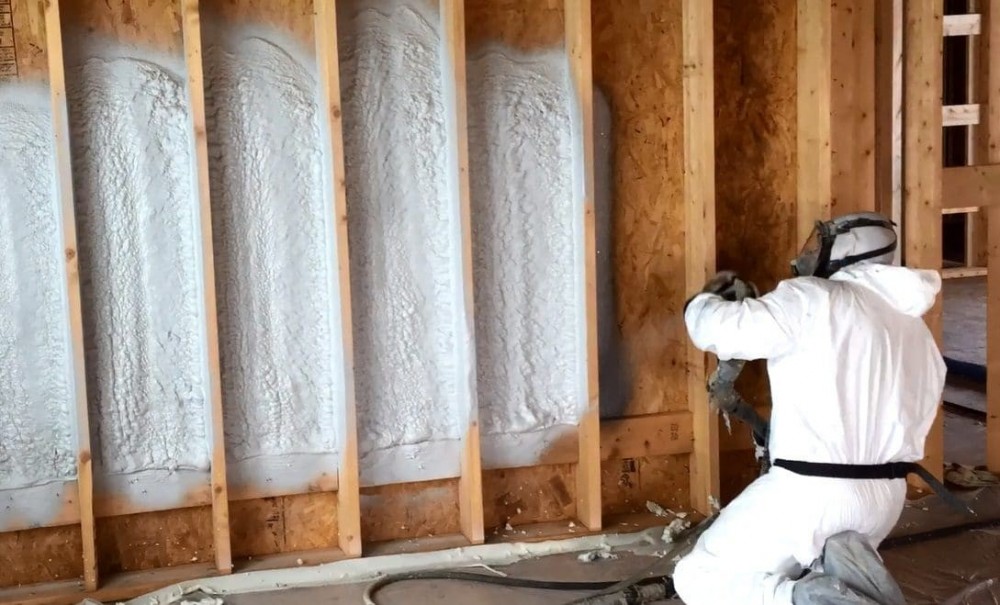
Homes and commercial buildings rely on insulation to maintain comfort and energy efficiency. Spray Foam Insulation improves performance quietly by sealing gaps, reducing air leakage, and enhancing thermal protection. Unlike traditional insulation, it works invisibly, maintaining consistent indoor conditions without drawing attention. Spray Foam Insulation services create long-lasting benefits for homeowners and business owners alike.
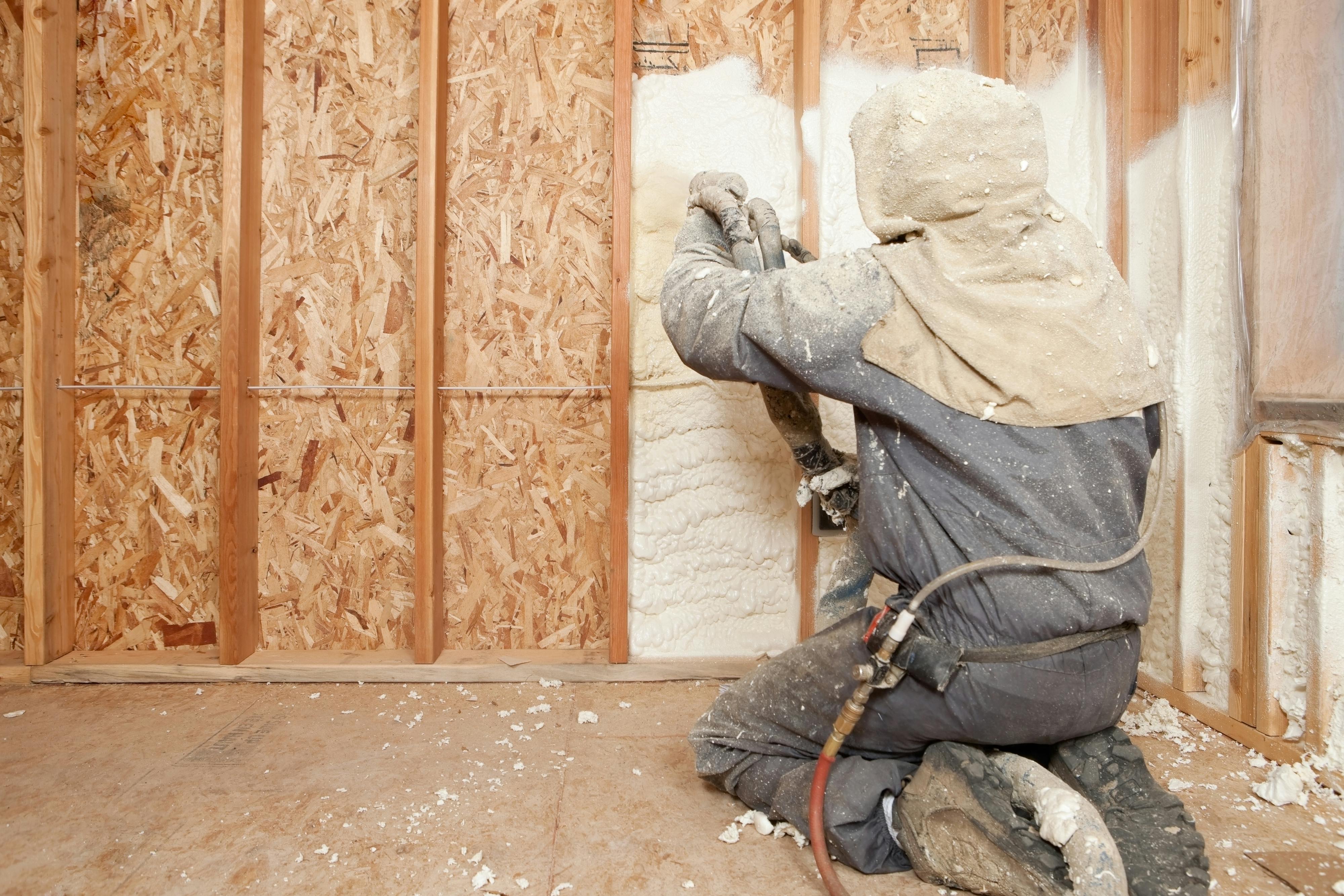
Certified Spray Foam Insulation experts apply advanced techniques to ensure that every cavity, corner, and joint is sealed. This precise application allows the insulation to perform at its peak while operating silently. Buildings insulated this way often see lower energy costs, improved humidity control, and reduced noise from outside or between rooms.
Raleigh Excel Spray Foam Insulation and other skilled providers have built a reputation for professional, discreet installation, combining technical expertise with practical knowledge to protect properties efficiently.

How Spray Foam Insulation Improves Performance
Spray Foam Insulation experts note that the material works by filling voids completely, preventing air and moisture movement. This leads to:

- Reduced energy loss and lower utility bills
- Fewer temperature fluctuations throughout the building
- Protection from mold, mildew, and structural moisture damage
- Quieter indoor environments by dampening sound transmission
Traditional fiberglass or batt insulation cannot fill irregular gaps, which is why Spray Foam Insulation services provide a superior solution for performance and quiet operation.
Types of Spray Foam Insulation
Open-Cell Foam
- Soft and flexible
- Expands to fill interior spaces
- Offers sound absorption and moderate thermal protection
Closed-Cell Foam
- Dense and rigid
- Provides maximum moisture and air sealing
- Adds structural integrity to walls and roofs
Performance Comparison Table
|
Feature |
Open-Cell Foam |
Closed-Cell Foam |
|---|---|---|
|
R-Value per Inch |
3.5 |
6–7 |
|
Moisture Barrier |
Moderate |
High |
|
Noise Reduction |
Good |
Excellent |
|
Structural Support |
Low |
High |
This table helps homeowners and business owners determine which type of Spray Foam Insulation services best suits their needs.
Key Areas for Spray Foam Insulation Application
Spray Foam Insulation experts recommend focusing on areas most prone to heat loss and air leakage:
- Attics and rooflines
- Crawl spaces and basements
- Exterior walls and rim joists
- Around HVAC ducts and plumbing penetrations
Tiny Heading on Attic Insulation
Attics are a common source of energy loss. Applying Spray Foam Insulation contractor-level skills in this space prevents drafts, controls moisture, and reduces outside noise.
Bonus Tips
- Inspect existing insulation and repair damage before application
- Ensure attic ventilation complements spray foam use
- Choose providers familiar with the local climate for best results
Things to Consider Before Making a Decision
Before selecting Spray Foam Insulation services, consider:
- Initial investment vs. long-term savings: Costs are higher upfront but energy bills often drop 20–30%.
- Foam type: Open-cell for sound absorption and flexibility; closed-cell for maximum insulation and moisture control.
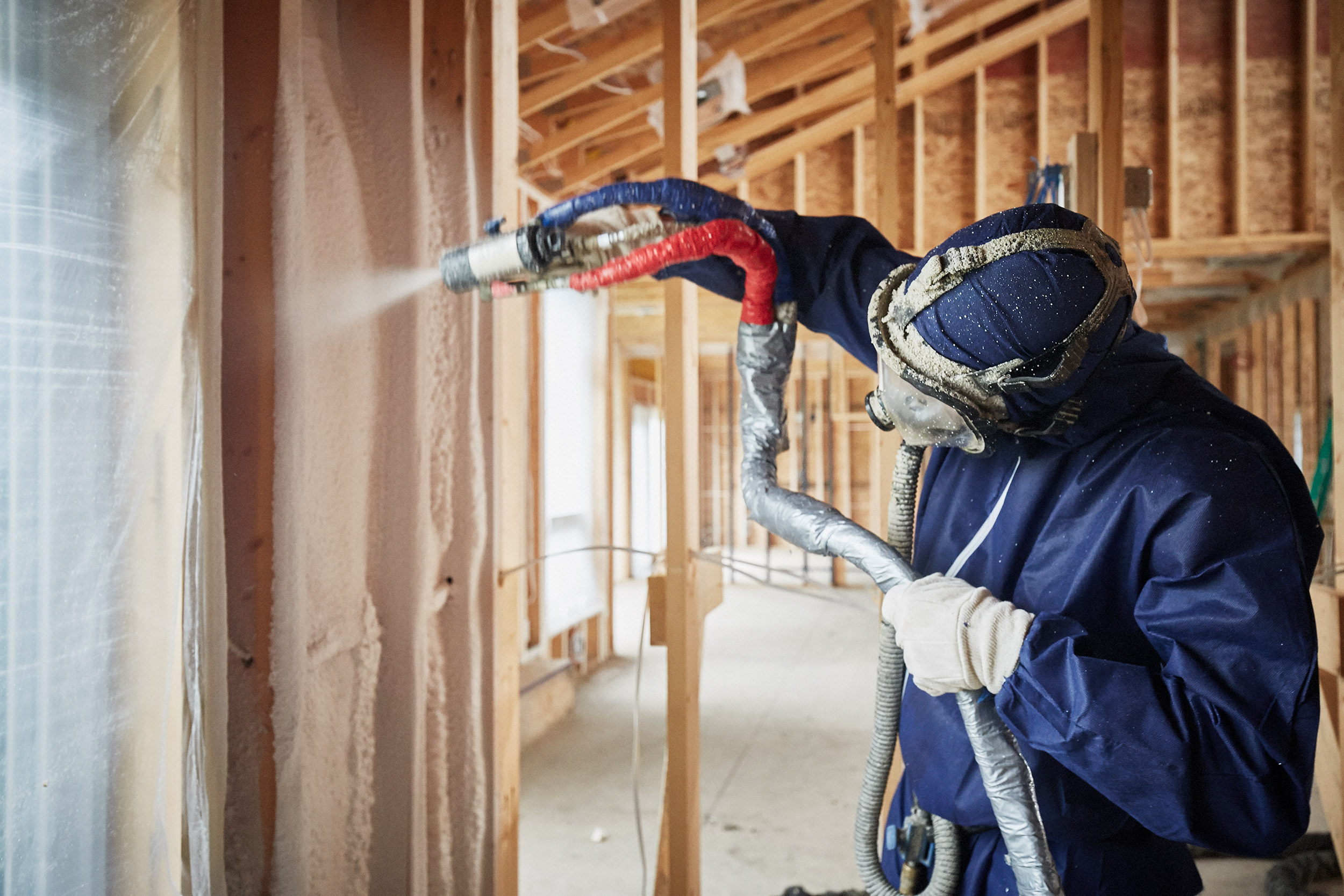
- Professional installation: Certified Spray Foam Insulation experts ensure even coverage and safety compliance.
- Building age and condition: Older properties may require prep work before installation.
- Climate considerations: Raleigh’s humidity makes moisture-resistant insulation a priority.
Bonus Tips
- Request project references from similar properties
- Verify material warranties and installation guarantees
Signs a Building Needs Spray Foam Insulation
- Cold spots in rooms or uneven temperatures
- Rising energy bills despite regular HVAC maintenance
- Excessive moisture or mold growth
- Drafts near windows, doors, or vents
- Loud noise transmission between rooms
Early installation prevents costly repairs and optimizes building performance.
Questions People Ask About Spray Foam Insulation
How does spray foam insulation operate quietly
It seals gaps completely, stabilizes indoor temperatures, and dampens sound without moving parts or mechanical noise.
Can spray foam lower energy bills
Yes, proper application can reduce heating and cooling costs by 15–30% depending on building size and climate.
How long does spray foam last
Spray Foam Insulation typically lasts 20–30 years while maintaining its performance and moisture protection.
Do I need professional installation
Yes, certified Spray Foam Insulation experts ensure complete coverage, consistent performance, and safety during application.
Is spray foam safe for indoor air
Once cured, spray foam is safe and inert. Proper ventilation during installation prevents exposure to fumes.
Summary of Benefits
Spray Foam Insulation works quietly yet effectively to enhance thermal performance, control moisture, reduce noise, and protect structures. Choosing certified Spray Foam Insulation services ensures long-term reliability and comfort for any property.
Next Steps for Enhancing Performance
Building owners can contact Raleigh Excel Spray Foam Insulation to evaluate their property and schedule professional Spray Foam Insulation services. They provide tailored solutions and expert installation to ensure quiet, lasting performance. Reach them at info@raleighexcelsprayfoam.com or call (919) 301-9435 for guidance and service inquiries.
Author: Edith has extensive experience in residential and commercial property management and is dedicated to helping clients improve energy efficiency, comfort, and indoor air quality through advanced insulation solutions.
Reviewer: With nearly a decade in the spray foam insulation field, William Harris reviewed this post and provided guidance that reflects both technical understanding and real-world marketing experience.





