
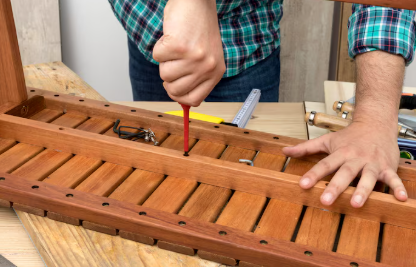
A lot of people jump into building a deck because it looks simple. A few boards. Some posts. Maybe a railing. Weekend project, right?
Not exactly.
Choosing the right deck building materials is where things either go smooth… or fall apart in two summers. Literally.

I’ve seen decks warp, split, sag, rot, and fade into a gray mess way faster than they should. Most of the time it wasn’t bad construction. It was bad material choices. Or skipping something important. Like fireproofing wood in areas where heat, grills, and dry seasons are part of life.
So let’s break this down like real people. No glossy brochure talk. Just what actually matters.
Why Deck Building Materials Matter More Than You Think
A deck sits outside. Year round.
It deals with sun, rain, humidity, insects, foot traffic, heavy furniture, grills, and sometimes the neighbor’s dog. It doesn’t get a break.
That’s why the materials you choose can’t just “look good at the store.”

You need boards that resist moisture. Structural lumber that holds weight without twisting. Hardware that won’t rust into powder after one wet season.
When people search for deck building materials, they usually think about surface boards. But that’s only half of it.
You’re really choosing:
- Framing lumber
- Deck boards
- Fasteners
- Joists and beams
- Railing materials
- Protective treatments
Miss one detail and you’ll feel it later.
Pressure-Treated Lumber: Still a Workhorse
Let’s start with the classic.
Pressure-treated lumber has been around forever. There’s a reason for that. It works.
It’s treated to resist rot, insects, and moisture. For framing especially, it’s hard to beat the price-to-performance ratio.
Is it perfect? No.
It can crack. It can twist if you buy lower grade boards. And it needs sealing and maintenance.
But for structural parts of a deck — posts, joists, support beams — pressure-treated wood is still one of the most reliable deck building materials out there.
Just don’t cheap out. Select better grades. Check for straightness. Let it dry before staining. Small steps, big difference.
Cedar and Redwood: Natural Beauty, But Not Maintenance-Free
Cedar and redwood get praised a lot. And yeah, they’re beautiful.
They have natural oils that help resist decay and insects. They’re lighter weight. Easier to work with. They smell good when you cut them. That matters more than people admit.
But here’s the truth.
They still need protection.
Without sealing, cedar will fade. Without proper spacing, boards can cup. And even natural resistance doesn’t mean immunity from moisture damage.
These materials work well for homeowners who actually maintain their decks. If you’re not the “reseal every couple years” type, maybe reconsider.
Composite Decking: Low Maintenance, Higher Cost
Composite boards changed the game.
They don’t rot. They don’t splinter. They don’t need staining. That’s appealing.
For many homeowners, composite has become a go-to option in modern deck building materials because it reduces upkeep long term.
But it’s not magic.
It can get hot in direct sun. Some lower-quality composites fade or scratch. And the upfront cost is noticeably higher than wood.
Still, if you want less sanding and sealing, composite makes sense. Especially in humid or coastal environments where wood takes a beating.
The Overlooked Part: Fireproofing Wood
Now let’s talk about something people skip.
Fire.
Decks are basically platforms made of dry lumber. Add a grill. Maybe a fire pit. Throw in a dry season. That’s not a small risk.
Fireproofing wood isn’t about turning your deck into steel. It’s about slowing ignition and reducing flame spread.
There are fire-retardant treated lumber options available. There are also coatings and sealers designed to improve resistance.
If you live in an area prone to wildfires or high heat, this shouldn’t even be optional. It should be part of the plan.
And even in regular suburban neighborhoods, accidents happen. A tipped grill. A stray ember. A forgotten candle.
Fireproofing wood adds an extra layer of safety. It won’t stop everything. But it can buy time. And sometimes that’s all that matters.
Hardware and Fasteners: Don’t Ignore the Small Stuff
You can pick the best deck building materials on earth. If you use the wrong screws, it won’t matter.
Outdoor decks need corrosion-resistant hardware. Galvanized or stainless steel. Period.
Regular screws will rust. Rust expands. Boards loosen. Structural integrity weakens.
It’s not exciting. It’s not flashy. But it’s critical.
Also, hidden fastener systems can improve appearance and reduce surface cracking. Worth considering if you care about the finish.
Climate Changes Everything
Where you build matters.
High humidity? You need moisture-resistant lumber and better airflow under the deck.
Extreme sun? UV-resistant materials become important.
Cold winters? Wood expansion and contraction need to be considered in spacing.
Hot dry regions? Fireproofing wood becomes more urgent.
There isn’t one universal “best” deck building material. It depends on where you are and how the deck will be used.
A quiet backyard lounge deck is different from a heavy-traffic entertainment space.
Budget vs Long-Term Value
Here’s where things get real.
You can build a deck cheaply.
Or you can build it once.
Cheap boards might save you upfront. But replacing warped planks in three years isn’t fun. Neither is rebuilding framing that rotted because you skipped proper treatment.
When choosing deck building materials, think in 10-year terms. Not just today’s receipt.
Sometimes spending slightly more on better-grade lumber, composite boards, or fire-resistant treatment saves you serious money long term.
Maintenance Is Not Optional (Even With “Low Maintenance” Materials)
Let’s clear something up.
Every deck requires some level of maintenance.
Wood decks need sealing, cleaning, inspections.
Composite decks need washing and checking fasteners.
Fireproofing wood treatments may need reapplication depending on the product used.
If someone tells you a deck is zero maintenance, that’s marketing.
The good news? Maintenance isn’t complicated. It just requires consistency.
Planning Before Buying
Before you purchase anything, ask yourself:
- How much weight will the deck hold?
- Will it support a hot tub?
- Is there constant sun exposure?
- Is the area prone to moisture or flooding?
- Are fire risks a concern?
Answering those questions helps narrow down the right deck building materials without guessing.
And if you’re unsure, talk to professionals who deal with lumber and outdoor construction daily. They see what fails and what lasts.
Final Thoughts: Build Smart, Not Fast
A deck isn’t just boards nailed together.
It’s a long-term outdoor structure attached to your home. That alone should make you pause and choose materials carefully.
Use solid framing lumber.
Choose decking that fits your climate and lifestyle.
Don’t ignore corrosion-resistant hardware.
And seriously consider fireproofing wood if there’s any risk factor in your area.
Build smart now so you’re not fixing mistakes later.
FAQs
1. What are the most durable deck building materials?
Pressure-treated lumber, composite decking, and certain hardwoods rank high for durability. The best choice depends on your climate, budget, and maintenance commitment.
2. Is fireproofing wood really necessary for decks?
In areas prone to wildfires or heavy grill use, yes. Fireproofing wood helps slow flame spread and can add an important safety layer.
3. How long does a wood deck typically last?
With proper maintenance, a pressure-treated wood deck can last 10–20 years. Neglect can shorten that significantly.
4. Are composite decks completely maintenance free?
No. They require less maintenance than wood, but still need periodic cleaning and inspection to maintain appearance and performance.





