

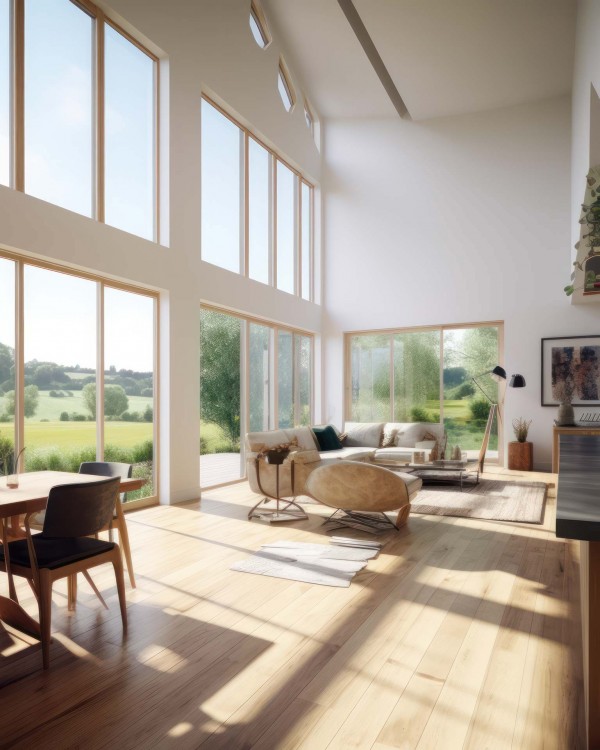
Heated glass is an idea-driven glass that can provide heat, prevent condensation, and create a feeling of comfort. This novel invention offers an invisible conductive layer that converts ordinary glass into an efficient heat source, with function and modern design intertwined.
What is a Heated glass?
The construction of heated glass enables transparent conductive coatings that warm when electricity flows through them, so the glass receives direct radiant heat across its surface. It can be controlled by thermostats or via smart home integrations, making it very flexible and user-friendly.

How Heated Glass Works?
In contrast to common heating systems, which use ordinary glass to circulate air, heated glass emits radiant heat directly into the room. When this heat is applied to a building rather than just the surrounding air, it heats the structure and keeps the building comfortable (and consistent throughout). The glass heats up briskly and maintains a steady temperature, free of drafts or cold spots in between.
Top Benefits of Heated Glass
Heated glass offers a lot of benefits. Some of them are -
Condensation Control - Condensation control is one of the outstanding features of heated glass. Condensation is common in bathrooms, kitchens, swimming pool enclosures, and large glazed facades. With heated glass, the surface temperature is maintained above the dew point, improving visibility and minimizing moisture-related issues.

Energy Efficiency - Another great advantage here is energy efficiency. Heated glass can augment or, in extreme cases, replace conventional heating systems and is a great way to minimize energy use. Its selective heating strategy reduces heat loss, enhancing the overall thermal performance.
Flexibility - From a design viewpoint, heated glass offers the greatest flexibility. It offers the benefit of no radiators or underfloor heating near glazed sections, providing clean lines, an open design, and unbroken views. This feature makes it especially attractive to contemporary architecture.
Applications of Heated Glass
Heated glass is commonly used in homes for windows, doors, skylights, and shower enclosures. It is very cool to stay warm in a minimalist environment during cold weather. In some workplace settings, heated glass is used in office buildings, hotels, shopping spaces, and hospitals. It increases occupant comfort, promotes the building's energy efficiency, and contributes to an excellent, high-end look. Specialist applications include anti-fog mirrors, display cases, and outdoor glazing solutions, such as frost prevention.
Safety and durability
Today's heated glass systems have safety built in. It includes several layers of protection and safeguards to prevent overheating between endpoints. A good glazing feature is usually toughened or laminated glass, and it should be strong, durable, and meet building regulations.
Cool Glass For The Future
Heated glass is not a lost cause; it is thriving as energy-saving, pretty buildings gain popularity. With its comfort, function, and freedom of design, this innovative material represents a unique class of design, well-suited to modern-day living and work environments.





