

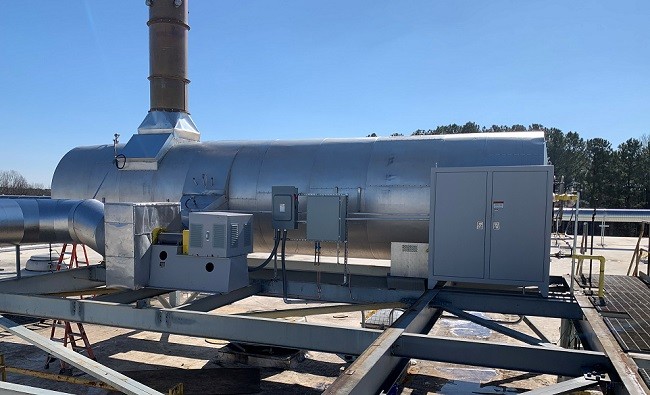
Industrial facilities don’t usually think of themselves as running a temperature problem. But excess heat quietly slips into daily operations—from production lines, exhaust streams, and high-temperature processes—until it becomes a costly side character. The good news? That heat doesn’t have to be wasted or feared. It can be managed, reused, and—dare we say—appreciated.
Welcome to the smarter, calmer era of industrial heat control.
Heat Recovery Systems: When Heat Gets a Second Job
Why let useful energy quit early?

Heat recovery systems are essentially the workplace mentors of thermal energy. Instead of allowing hot exhaust air or process heat to escape, these systems capture it and put it back to work—preheating air, water, or materials used elsewhere in the facility.
This isn’t about futuristic tech fantasies. It’s practical engineering that stabilizes temperatures, reduces fuel consumption, and makes operations feel less chaotic. In 2026, efficient plants don’t brag about producing heat—they brag about reusing it.
Waste Heat Recovery Systems: The Glow-Up of Forgotten Energy
Formerly ignored. Now promoted.
Waste heat recovery systems focus specifically on energy that used to vanish into vents or chimneys. Think exhaust gases from furnaces, ovens, or thermal processes that once disappeared without a trace.
By capturing this residual heat, facilities can reduce energy demand upstream. Less fuel burned, less stress on primary heating equipment, and more predictable thermal control overall. It’s not flashy—but it’s quietly powerful, like the engineer who fixes problems before anyone notices them.

Industrial Oven Real Talk: Hot by Design, Smarter by Choice
Industrial ovens work hard. Smarter systems make them work better.
An industrial oven is designed to operate at high temperatures, whether curing coatings, drying materials, or processing components. The challenge isn’t generating heat—it’s managing what happens after.
Modern heat recovery approaches can reclaim exhaust heat from ovens and redirect it into incoming airflow or adjacent processes. The result? More consistent temperatures, improved throughput, and fewer spikes that make operators nervous. In short: less drama, more control.
Paint Booths and the Art of Temperature Balance
Because finishes have feelings too.
A paint booth is where airflow, temperature, and timing all need to cooperate—or the finish pays the price. Excess heat can disrupt curing, affect coating quality, and increase energy use fast.
By integrating waste heat recovery systems, facilities can reuse thermal energy to condition incoming air for the booth. That means steadier temperatures, better finishes, and fewer “why does this look different than yesterday?” conversations.
Thermal Oxidizers: The Fire-Breathers with a Softer Side

High heat doesn’t have to mean high waste.
A thermal oxidizer operates at extremely high temperatures to destroy volatile organic compounds and other pollutants. It’s a necessary powerhouse—but without recovery, it can also be an energy heavyweight.
Pairing thermal oxidizers with heat recovery systems allows facilities to reclaim heat from exhaust gases and reuse it for preheating process air or supporting other thermal needs. Cleaner air and smarter energy use don’t have to compete—they can collaborate.
Thermal Cleaning Equipment: Clean Parts, Calm Energy Bills
Cleaning shouldn’t come with an energy hangover.
A-Thermal cleaning equipment removes contaminants like paint, plastic, or coatings using controlled heat. The process is effective, but it naturally generates excess thermal energy.
That’s where thoughtful thermal cleaning solutions come in. By recovering heat from the cleaning cycle and redirecting it into preheating or auxiliary systems, facilities reduce waste while keeping cleaning performance consistent. Clean parts. Clear processes. Lower stress.
Interactive Section: Let’s Talk About the Stuff You’re Probably Wondering
Because curiosity is part of good engineering.
Q: Is heat recovery only for large facilities?
A: Not at all. Systems can be scaled for small operations or large industrial plants. The key is matching recovery to process needs.
Q: Will adding recovery systems complicate operations?
A: When designed properly, they usually simplify temperature control rather than complicate it. Stability often replaces guesswork.
Q: Does recovered heat really make a noticeable difference?
A: Yes—especially over time. Even modest reuse can reduce fuel demand and smooth daily operations.
Q: Can these systems work together?
A: Absolutely. Industrial ovens, paint booths, thermal oxidizers, and thermal cleaning equipment often share recovery opportunities when designed holistically.
The Calm Ending Everyone Wanted

Less wasted heat. Fewer surprises. Better control.
Modern facilities aren’t trying to eliminate heat—they’re learning how to manage it intelligently. Heat recovery systems and waste heat recovery systems help industrial operations run cooler, steadier, and more predictably, even when processes run hot.
In 2026, the smartest plants don’t fight heat. They hire it, retrain it, and put it back to work—quietly improving efficiency while everyone else wonders how things suddenly feel so… under control.





