

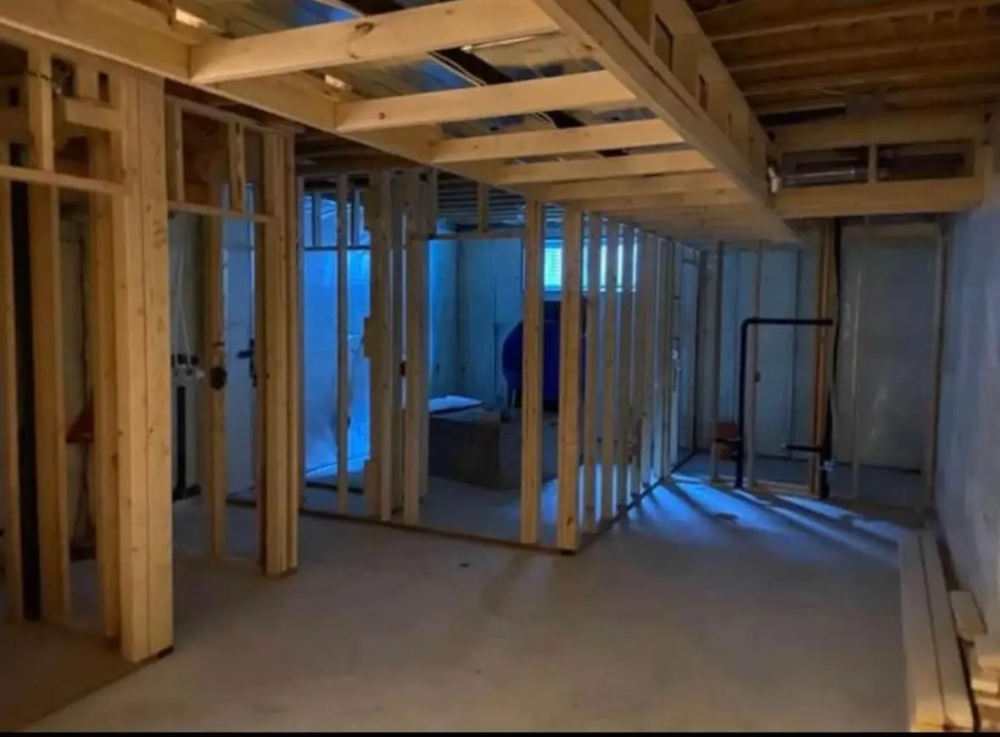
Interior finishing is more than just the final step of construction—it defines how a space looks, feels, and performs over time. Among the most important elements of interior finishing are drywall and painting, which together create smooth surfaces, protect structural components, and set the visual tone of a room. When done properly, they enhance durability and aesthetics; when done poorly, flaws become immediately visible.
This blog explains why quality drywall and painting matter, how they impact long-term performance, and why professional standards make a meaningful difference in interior spaces.
Understanding Drywall and Painting in Interior Finishing
Drywall provides the foundation for walls and ceilings, while painting adds protection and style. Both processes are closely connected—any imperfections in drywall become more noticeable once paint is applied.

Quality drywall and painting ensure:
- Even, smooth surfaces
- Clean edges and corners
- Consistent texture and color
Together, they form the backbone of polished interior spaces.
The Impact of Quality Drywall Work
Structural Support and Stability
Drywall is not just decorative; it contributes to the structure of interior walls. Proper installation ensures panels are securely fastened, aligned correctly, and supported by framing.
High-quality drywall work helps:
- Prevent cracking and sagging
- Maintain wall integrity
- Support insulation and sound control
Poor installation can lead to long-term structural and aesthetic issues.
Surface Smoothness and Finish
A smooth drywall surface is essential for achieving professional paint results. Quality drywall work includes precise taping, joint compound application, and careful sanding.
When drywall is finished correctly:
- Seams are invisible
- Corners appear sharp and clean
- Paint reflects light evenly
These details significantly affect the final appearance of any room.
Why Painting Quality Is Equally Important
Protection Beyond Appearance
Painting does more than add color. High-quality painting protects drywall from moisture, stains, and everyday wear.
Proper painting techniques:
- Seal surfaces effectively
- Increase resistance to damage
- Extend the life of drywall
This protective layer is especially important in high-traffic areas and moisture-prone spaces.
Color Consistency and Coverage
Professional painting ensures even color distribution and full coverage. Uneven coats, streaks, or visible brush marks can detract from the overall finish.
Quality painting delivers:
- Uniform color tone
- Smooth texture
- Clean transitions between walls, ceilings, and trim
This attention to detail creates a refined and cohesive interior look.
The Relationship Between Drywall and Painting
Drywall and painting are interconnected processes. Even the best paint cannot hide poorly finished drywall, and flawless drywall can be undermined by careless painting.
Quality drywall and painting together ensure:
- Minimal touch-ups and repairs
- Consistent visual appeal
- Efficient project completion
This coordination is key to achieving professional interior finishes.
Long-Term Value of Quality Interior Finishing
Durability and Maintenance
High-quality drywall and painting reduce the need for frequent repairs and repainting. Proper installation and finishing help surfaces withstand daily use and environmental changes.
Benefits include:
- Fewer cracks and chips
- Easier cleaning and maintenance
- Longer-lasting finishes
This durability saves time and money over the life of the space.
Improved Property Value
Interior finishing plays a major role in how a property is perceived. Smooth walls and well-applied paint enhance visual appeal and create a sense of quality.
Quality drywall and painting:
- Increase buyer confidence
- Improve resale value
- Enhance overall presentation
Well-finished interiors leave a lasting impression.
Professional Expertise Makes the Difference
Skill and Experience
Professionals bring experience that ensures each stage of drywall and painting is done correctly. They understand materials, techniques, and environmental factors that affect results.
Expertise includes:
- Proper surface preparation
- Correct material selection
- Precision in application
This knowledge reduces errors and improves outcomes.
Attention to Detail
Interior finishing requires careful attention to small details. Professionals focus on clean lines, smooth transitions, and consistent finishes.
Their meticulous approach ensures:
- No visible seams or patches
- Crisp edges around fixtures and trim
- Balanced color application
These details define high-quality workmanship.
Common Problems Caused by Poor Quality
When drywall and painting are rushed or poorly executed, issues quickly appear.
Common problems include:
- Visible joints and uneven surfaces
- Peeling or cracking paint
- Inconsistent texture and color
These flaws can be difficult and costly to correct after completion.
Choosing Quality Over Shortcuts
Investing in quality drywall and painting may require more time and expertise upfront, but it delivers long-term benefits. Cutting corners often leads to repeated repairs and dissatisfaction.
Quality-focused projects result in:
- Better performance
- Enhanced aesthetics
- Greater peace of mind
This approach ensures interiors remain attractive and functional for years.
Conclusion
Quality drywall and painting are essential to successful interior finishing. They influence structural integrity, visual appeal, durability, and overall value. When both are executed with care and expertise, they create smooth, polished spaces that stand the test of time.
By prioritizing professional standards and attention to detail, homeowners and builders can achieve interior finishes that reflect craftsmanship, reliability, and long-term quality.





