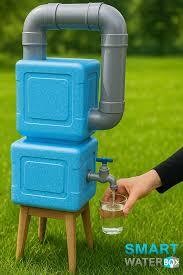
The Smart Water Box is a creative DIY project that combines sound technology with the physical properties of water. It is designed to help users understand how vibrations, resonance, and water movement affect audio output. Popular among students, educators, and DIY enthusiasts, the Smart Water Box is simple to build yet offers deep learning opportunities in acoustics and basic electronics.
This guide explains the concept of the Smart Water Box, how it functions, the materials needed to build it, and the many ways it can be used for learning and experimentation.
What is a Smart Water Box?
A Smart Water Box is a water-based audio device that uses a speaker or contact transducer attached to a container filled with water. When sound is played, vibrations pass through the container and interact with the water, altering the sound’s tone, frequency, and resonance. By changing the water level, users can hear noticeable differences in sound behavior.

Some versions of the Smart Water Box include digital components such as microcontrollers or sensors, allowing automated sound responses or interactive features. However, even a basic setup can effectively demonstrate key audio principles.
Working Principle of the Smart Water Box
The Smart Water Box works through the interaction of sound waves and physical vibration:
-
Sound vibration: The speaker produces vibrations that move through the container walls.
-
Water resonance: Water absorbs and reflects these vibrations, reshaping the sound.
-
Frequency variation: Different water levels emphasize different frequencies.

This interaction makes the Smart Water Box a useful tool for exploring acoustic science in a hands-on way.
Materials Needed
To build a basic Smart Water Box, you will require:
-
A sturdy plastic, wooden, or acrylic container
-
A small speaker or contact transducer
-
An audio amplifier
-
Electrical wires and connectors
-
Silicone sealant for waterproofing
-
Clean water
-
Optional components: LEDs, microcontroller, sensors
These materials are easy to source and suitable for beginner-level projects.
Step-by-Step Construction Guide
-
Select a container: Choose a box that can safely hold water without leaking.
-
Attach the speaker or transducer: Fix it securely to the container surface for effective vibration transfer.
-
Seal the container: Apply silicone sealant to prevent water leakage.
-
Add water: Fill the container gradually and test sound output at different levels.
-
Connect the amplifier: Link the speaker to the amplifier and audio source.
-
Test and adjust: Experiment with sound settings and water volume.
Benefits of Using a Smart Water Box
-
Demonstrates real-world sound physics
-
Encourages hands-on learning
-
Easy to customize and experiment with
-
Suitable for educational and creative environments
-
Helps beginners understand basic electronics
Common Applications
The Smart Water Box has a wide range of applications:
-
Education: Teaching sound waves, vibration, and resonance
-
STEM projects: Practical learning for electronics and physics students
-
Sound experimentation: Creating unique audio textures
-
Interactive learning tools: Engaging classroom demonstrations
Sound Adjustment and Optimization
To achieve better sound results:
-
Adjust water levels to explore tonal changes
-
Ensure the speaker is firmly mounted
-
Use padding to reduce unwanted noise
-
Experiment with different container materials
These adjustments allow users to fine-tune the audio experience.
Safety Considerations
-
Keep electrical components dry
-
Use low-voltage power sources
-
Seal all joints carefully
-
Monitor children during assembly and use
Following these safety steps ensures a secure and reliable setup.
Challenges and Limitations
While the Smart Water Box is simple, it has some limitations:
-
Sound output may be softer than traditional speakers
-
Water leaks can damage components if not sealed properly
-
Requires experimentation to achieve desired sound quality
These challenges can be managed with careful construction and testing.
Frequently Asked Questions
Is the Smart Water Box difficult to build?
No, it is suitable for beginners with basic wiring knowledge.
Can the water be replaced with other liquids?
Water works best, but other liquids may be tested with caution.
Does container material affect sound?
Yes, different materials change vibration and resonance patterns.
Conclusion
The Smart Water Box is an effective and educational DIY project that highlights the relationship between sound and water. By combining simple materials with basic audio components, users can explore acoustic principles in a practical and engaging way. Whether used for learning, experimentation, or creative exploration, the Smart Water Box offers valuable insights into how sound behaves in different physical environments.