

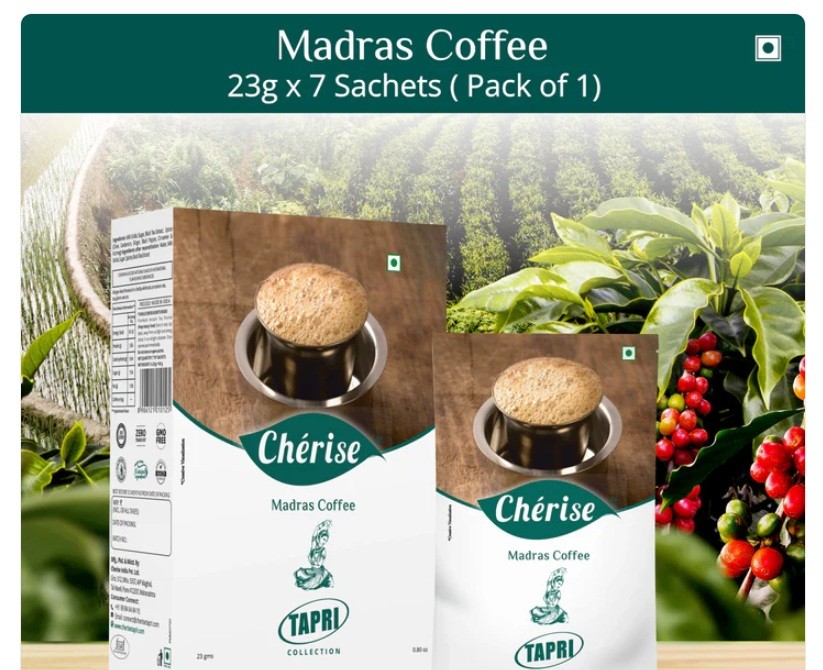
Coffee is not merely a beverage; it is a deep-rooted cultural experience that varies significantly across regions. While regular coffee dominates globally, Madras coffee, also known as South Indian filter coffee, represents a distinct tradition with a unique identity. We explore the defining characteristics, preparation methods, flavor profiles, and cultural importance that set these two coffee styles apart.
What Is Madras Coffee?
Madras coffee is a traditional South Indian beverage originating from Tamil Nadu. It is crafted using a metal filter apparatus, producing a strong decoction that is later blended with milk and sugar. The hallmark of Madras coffee lies in its blend of coffee and chicory, which enhances both texture and taste.

Key Characteristics of Madras Coffee
- Prepared using a traditional filter (degree coffee filter)
- Contains a blend of coffee beans and chicory
- Served with hot milk and sugar
- Poured back and forth to create froth (known as “meter coffee”)
- Rich, bold, and creamy texture
What Is Regular Coffee?
Regular coffee refers to widely consumed coffee varieties prepared using methods like drip brewing, espresso machines, or instant mixes. It typically involves pure coffee beans without additives like chicory.
Key Characteristics of Regular Coffee
- Prepared using modern machines or instant methods
- Made with 100% coffee beans
- Available in multiple styles: espresso, cappuccino, latte, black coffee
- Flavor varies based on bean origin and roast level
- Texture ranges from light to strong depending on preparation
Ingredients: The Core Difference

Madras Coffee Ingredients
Madras coffee uses a blend of coffee beans and chicory, typically in ratios like 80:20 or 70:30. Chicory adds:
- Thickness
- Bitterness
- Enhanced aroma
Regular Coffee Ingredients
Regular coffee relies solely on pure coffee beans, without any additives. This ensures:
- Clean flavor profile
- Natural aroma of coffee beans
- Greater variety based on origin and roast
Brewing Methods: Traditional vs Modern
Madras Coffee Brewing Process
The preparation of Madras coffee is slow and meticulous:
- Coffee powder is placed in a steel filter
- Hot water is poured over it
- Decoction drips slowly into the lower chamber
- Mixed with boiled milk and sugar
- Frothed by pouring between two containers
This process creates a strong, concentrated base with a distinctive aroma.
Regular Coffee Brewing Methods
Regular coffee offers multiple brewing techniques:
- Drip coffee makers
- French press
- Espresso machines
- Instant coffee powders
These methods are generally faster and more convenient, catering to modern lifestyles.
Flavor Profile and Taste Comparison
Madras Coffee Flavor
Madras coffee delivers a bold, earthy, and slightly bitter taste due to chicory. The addition of milk creates:
- Creamy consistency
- Balanced sweetness
- Deep roasted notes
Regular Coffee Flavor
Regular coffee varies widely:
- Light roast: fruity and acidic
- Medium roast: balanced and smooth
- Dark roast: strong and smoky
Without chicory, the taste is cleaner and more nuanced, allowing the natural flavors of coffee beans to shine.
Texture and Appearance
Madras coffee is known for its thick, frothy texture. The chicory blend and milk contribute to a velvety mouthfeel.
Regular coffee, on the other hand, can range from:
- Thin (black coffee)
- Creamy (latte or cappuccino)
- Foamy (espresso-based drinks)
Caffeine Content Differences
Madras coffee generally has slightly lower caffeine content due to the presence of chicory, which dilutes the coffee concentration.
Regular coffee contains:
- Higher caffeine levels
- More stimulating effect
- Varies depending on brewing strength
Cultural Significance
Madras Coffee Culture
Madras coffee is deeply embedded in South Indian households. It is traditionally served in a steel tumbler and dabarah, symbolizing:
- Hospitality
- Daily ritual
- Family bonding
Regular Coffee Culture
Regular coffee represents a global phenomenon, associated with:
- Cafés and social gatherings
- Workplace productivity
- Modern convenience
Health Aspects and Benefits
Madras Coffee Benefits
- Gentler on the stomach due to chicory
- Rich in antioxidants
- Improves digestion
Regular Coffee Benefits
- Boosts energy levels
- Enhances mental focus
- Supports metabolism
Both types offer health benefits when consumed in moderation, though their effects differ slightly based on composition.
Cost and Accessibility
Madras coffee is often:
- More affordable
- Locally sourced
- Widely available in South India
Regular coffee:
- Available globally
- Varies in price depending on brand and quality
- Includes premium specialty options
Preparation Time and Convenience
Madras coffee requires:
- Time-intensive preparation
- Manual effort
- Traditional equipment
Regular coffee offers:
- Quick preparation
- Instant options
- Automated brewing machines
Why Madras Coffee Stands Out
Madras coffee is not just a drink; it is a heritage experience defined by:
- Authentic preparation
- Unique coffee-chicory blend
- Cultural richness
- Signature frothy presentation
Why Regular Coffee Remains Popular
Regular coffee dominates due to:
- Versatility
- Convenience
- Global accessibility
- Wide variety of flavors and styles
Final Comparison Table
|
Feature |
Madras Coffee |
Regular Coffee |
|
Ingredients |
Coffee + Chicory |
Pure Coffee |
|
Brewing |
Traditional Filter |
Modern Methods |
|
Taste |
Bold, Creamy, Bitter |
Varies (Light to Strong) |
|
Texture |
Thick and Frothy |
Thin to Creamy |
|
Caffeine |
Slightly Lower |
Higher |
|
Culture |
South Indian Tradition |
Global Consumption |
|
Preparation Time |
Longer |
Faster |
Conclusion
The difference between Madras coffee and regular coffee lies in tradition, ingredients, preparation, and experience. Madras coffee embodies heritage and craftsmanship, while regular coffee represents modern convenience and global diversity. Each offers a unique journey, defined by its flavor, texture, and cultural significance, making both indispensable in their own right.





