
Palm olein is one of the most commonly used cooking oils in the world. It is widely used in households, restaurants, food processing plants, and even in biodiesel production. Because it is affordable, stable, and versatile, palm olein plays a key role in daily life across many countries. When its price changes, it quickly affects food costs, business planning, and trade decisions. Understanding the Palm Olein Price Trend helps buyers, sellers, and consumers better prepare for market movements.
During the third quarter of 2025, the global palm olein market experienced strong price growth. Prices rose steadily in most major regions, supported by tight supply conditions and firm demand. This period clearly showed how global consumption patterns and supply challenges can work together to push prices higher.
Global Overview of the Palm Olein Market in Q3 2025
In Q3 2025, the Palm Olein Price Trend moved upward across the world. Prices increased by around 6 to 9 percent in major markets. This rise was driven mainly by limited supply and consistent demand from key industries.
Palm olein supply was tight during the quarter. Seasonal production declines, export controls, and weather-related disruptions reduced available volumes. At the same time, demand remained strong, especially from the food industry and biodiesel sector.
Importing countries increased purchases to secure enough stock, particularly ahead of festive seasons and holidays. This pre-holiday buying activity added extra pressure on supply and supported higher prices.
Malaysia’s Role as the Market Benchmark
Malaysia continued to act as the benchmark for palm olein pricing during Q3 2025. In the country, RBD Palm Olein prices increased by about 6.47 percent compared to the previous quarter. Prices ranged between USD 1,025 and USD 1,115 per metric ton.
The Palm Olein Price Trend in Malaysia was influenced by several factors. Domestic production was seasonally low, which reduced overall supply. At the same time, strong export demand drained local inventories, leaving less product available in the domestic market.
Export policy adjustments also played an important role. These policies limited export volumes, tightening supply further and supporting higher prices. Weather disruptions in plantation areas added to the supply challenges, reducing output even more.
Price Movement in Major Importing Regions
Palm olein prices rose noticeably in major importing countries such as the USA, China, Japan, the United Arab Emirates, and India. In these markets, the Palm Olein Price Trend was mainly driven by strong demand rather than logistics.
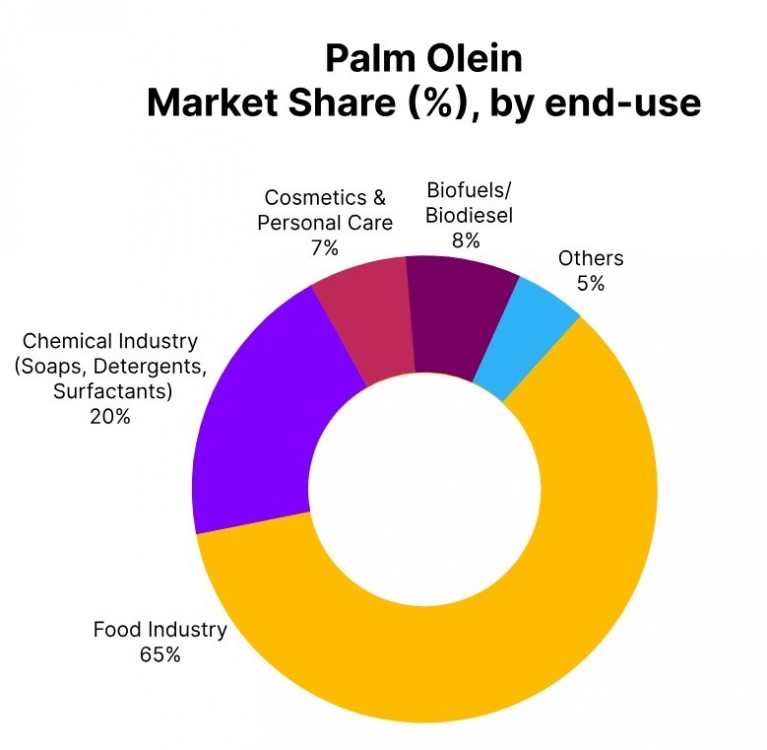
Food industry requirements remained high. Palm olein is a preferred cooking oil in many regions due to its long shelf life and suitability for frying. As food consumption stayed steady, demand for palm olein remained strong.
The biodiesel sector also continued to support demand. Many countries are focusing on renewable energy, and palm-based products are still widely used in biofuel blends. This added another layer of demand pressure during the quarter.
Impact of Shipping and Logistics
Shipping costs during Q3 2025 stayed mostly flat or rose slightly. While this did not cause major disruptions, it added moderate pressure to prices. Higher fuel costs and limited vessel availability contributed to these increases.
Even though shipping costs were not the main driver, they still influenced the final landed prices in importing countries. This factor supported the overall Palm Olein Price Trend and made it harder for prices to ease.
Currency Movements and Export Competitiveness
Currency fluctuations also influenced the palm olein market. The weakening of the Malaysian ringgit made palm olein more attractive to international buyers. A weaker currency reduces export prices in foreign currency terms, boosting demand.
This increased export interest further tightened domestic supply in Malaysia and reinforced the upward price trend. Currency movements often play a silent but important role in shaping commodity prices, and this was clearly visible in the Palm Olein Price Trend during the quarter.
Buyer Behavior and Market Sentiment
Market sentiment in Q3 2025 was generally positive but cautious. Buyers recognized that supply was tight and prices were rising, so many chose to secure supplies early. Pre-holiday stockpiling became common in several regions.
At the same time, buyers avoided excessive purchasing to manage cost risks. This balanced behavior helped prevent extreme price spikes while still supporting a steady upward trend.
Sellers, on the other hand, focused on fulfilling contracts and managing limited supply carefully. This disciplined approach helped maintain market stability.
September 2025: Continued Upward Movement
In September 2025, palm olein prices in Malaysia increased by around 2.04 percent. This showed that the upward Palm Olein Price Trend continued even toward the end of the quarter.
However, market participants remained aware that pricing stability was fragile. Supply constraints were still present, and any further weather issues or policy changes could quickly affect prices.
Despite these risks, Malaysia maintained its position as the world benchmark for RBD Palm Olein. Market diversification and a focus on sustainable production helped the country stay competitive amid global challenges.
Supply and Sustainability Challenges
Sustainability requirements continued to shape production and trade. Producers balanced output with environmental commitments, which sometimes limited production growth. While this supported long-term stability, it also contributed to short-term supply tightness.
Weather conditions added another layer of uncertainty. Rainfall patterns and plantation disruptions affected harvesting and output, reinforcing supply constraints and influencing the Palm Olein Price Trend.
Outlook for the Next Quarter
Looking ahead, the palm olein market is expected to remain firm. Demand from the food and biodiesel sectors is likely to stay strong, especially with ongoing renewable energy initiatives.
Supply challenges may persist, and any additional disruptions could push prices slightly higher. As a result, market participants expect further modest increases in the Palm Olein Price Trend in the coming quarter.
However, buyers are likely to stay cautious and avoid aggressive stockpiling unless necessary.
Conclusion
The palm olein market in Q3 2025 experienced strong price growth driven by tight supply and steady demand. Malaysia played a central role in shaping the market, with lower production, export limitations, and currency movements supporting higher prices.
Importing regions also contributed to the rising Palm Olein Price Trend through strong food and biodiesel demand and pre-holiday purchasing. While some uncertainties remain, the market showed resilience and balance.
Overall, palm olein continues to be a crucial commodity in global food and energy systems, and its price trend in Q3 2025 reflects its ongoing importance in everyday life.
About Price-Watch AI
Price-Watch AI is an independent raw material price reporting agency that provides real-time price forecasts and data-driven insights into global raw material markets. Price-Watch AI specializes in tracking raw material prices, analyzing market trends, and delivering timely updates on plant shutdowns, supply disruptions, capacity expansions, and demand-supply dynamics. The Price-Watch AI platform empowers manufacturers, traders, and procurement professionals to make faster, smarter decisions. Leveraging AI-powered forecasting and over a decade of historical data, Price-Watch AI transforms market volatility into actionable opportunity.
Futura Tech Park,
C Block, 8th floor 334,
Old Mahabalipuram Road,
Sholinganallur, Chennai, Tamil Nadu, Pincode - 600119.
????????: https://www.linkedin.com/company/price-watch-ai/
????????: https://www.facebook.com/people//61568490385598/
???????: https://x.com/pricewatchai
???????: https://www.price-watch.ai/