
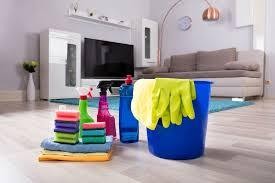
In today's fast-paced world, our homes serve as sanctuaries—a place to unwind, recharge, and connect with loved ones. Yet, amidst busy schedules, maintaining a clean home often falls to the bottom of the priority list. What if keeping your living space tidy is about much more than just appearances? A clean home is a foundation for better physical health, sharper mental clarity, and greater overall well-being. From lowering stress levels to increasing daily productivity, the rewards are significant and supported by research. In this guide, we’ll explore why a clean home matters, offer practical habits to make maintenance effortless, and share sustainable, eco-friendly cleaning methods that protect both your family and the environment.
Why a Clean Home Matters for Health and Happiness
A cluttered or dusty home can quietly harm your health. Dust mites, allergens, pet dander, and mold accumulate in neglected corners, triggering allergies, asthma flare-ups, and respiratory discomfort. Regular cleaning removes these invisible threats, dramatically improving indoor air quality and helping everyone breathe more easily. Households with young children, elderly members, or pets see especially clear benefits, as thorough cleaning reduces exposure to germs and pests.
The mental health advantages are just as powerful. Visual clutter creates a sense of chaos that raises cortisol, the primary stress hormone. Walking into an organized, fresh space, on the other hand, instantly promotes calm and a feeling of control. Studies consistently show that people who live in tidy homes report lower anxiety, better sleep, and improved mood. Starting the day with a made bed and clear surfaces sets a positive, focused tone that carries through work, hobbies, and family time.
Productivity also thrives in clean surroundings. When papers, clothes, and random objects aren’t scattered everywhere, it’s easier to concentrate and complete tasks efficiently. Research suggests that organized environments encourage healthier routines, such as cooking nutritious meals in a spotless kitchen or exercising in an uncluttered living room. Additionally, you’re far more likely to invite friends or family over when your home feels welcoming and presentable, strengthening social connections.
Simple Habits to Keep Your Home Consistently Clean
The key to an always-tidy home isn’t exhausting weekend cleaning marathons—it’s building small, sustainable daily habits that prevent mess from piling up. One effective rule is “never leave a room empty-handed.” As you move from one area to another, grab any item that belongs elsewhere and put it away. This tiny action keeps clutter under control without requiring extra time.
Add quick evening resets to your routine. Spend just 10–15 minutes straightening high-traffic zones: wipe kitchen counters, load the dishwasher, fold throw blankets, and fluff sofa cushions. Always make your bed first thing in the morning—it’s a small win that instantly makes the bedroom feel orderly. Declutter proactively by giving every object a designated “home,” whether it’s a hook for keys, a basket for remotes, or labeled bins for kids’ toys.
Create a flexible weekly schedule that spreads deeper tasks across days. For example, clean bathrooms on Monday, dust and vacuum living areas on Wednesday, and tackle the kitchen thoroughly on Friday. Involve everyone in the household—assign age-appropriate chores to children and partners. Teaching kids to tidy their own spaces builds lifelong responsibility and shares the workload evenly.
Eco-Friendly Cleaning: Gentle on Your Family and the Planet
Many conventional cleaning products contain harsh chemicals that linger in the air and eventually wash into waterways. Switching to natural, homemade alternatives safeguards indoor air quality, protects sensitive skin, and reduces environmental impact—all while saving money.
Basic kitchen staples like white vinegar, baking soda, and lemons are remarkably effective cleaners. Vinegar’s natural acidity dissolves grease, mineral deposits, and soap scum. Mix equal parts vinegar and water in a spray bottle for a versatile all-purpose cleaner that disinfects surfaces and leaves glass streak-free. Baking soda works as a mild abrasive and powerful deodorizer—sprinkle it on carpets or upholstery, let it sit for 15 minutes, then vacuum for instant freshness.
Lemons add antibacterial properties and a pleasant citrus scent. Rub a cut lemon over cutting boards to remove stains and odors naturally. For tougher jobs, combine ingredients: sprinkle baking soda in a clogged drain, pour in vinegar, let it fizz for 10 minutes, then rinse with hot water. Add a few drops of essential oils such as tea tree, lavender, or eucalyptus for extra antimicrobial power and fragrance.
Switch to reusable cleaning tools like microfiber cloths or cut-up old cotton T-shirts instead of paper towels and disposable wipes. These simple changes dramatically cut household waste and plastic pollution.
Room-by-Room Tips for Lasting Cleanliness
Kitchen: Wipe spills immediately to prevent stubborn stains. Clean stainless steel with diluted vinegar, and refresh the oven with a baking soda paste left overnight.
Bathroom: Squeegee shower walls after each use to prevent mildew. Use lemon juice on faucets to dissolve hard-water buildup.
Living and Family Rooms: Dust top-to-bottom weekly with a damp microfiber cloth to trap particles. Vacuum under furniture and cushions regularly.
Bedrooms: Wash sheets and pillowcases weekly in hot water. Rotate and flip mattresses seasonally. Keep nightstands clear to promote restful sleep.
Final Thoughts: Start Your Clean Home Journey Today
A clean home is far more than a chore—it’s a meaningful investment in your physical health, emotional well-being, and daily efficiency. By adopting mindful habits and switching to natural cleaning solutions, you’ll create a nurturing environment that supports you every single day. Begin small: choose one new habit or homemade cleaner to try this week. Over time, these consistent efforts will turn your house into a true sanctuary of calm and comfort. You—and the planet—will feel the difference.