
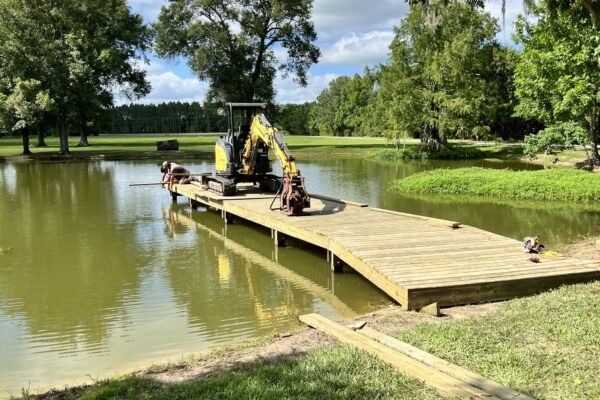
A waterfront structure that can withstand decades of exposure to weather, water and continual usage requires a meticulous plan that goes beyond selecting attractive materials or designs. Pier installation is an important investment in your property and is expected to last for a period of 30 years or more if it is done correctly. The distinction between structures that need frequent maintenance or replacement, and those that are functional and appealing for many generations is in the thoughtful choices taken during the planning stage. Understanding the aspects that affect the long-term durability of a property can help owners to develop plans that take into account the site's conditions and regulatory requirements, as well as material selection, and quality of construction beginning at the time of project conception.
Conducting Thorough Site Assessment and Analysis
Each location on the water has specific conditions that drastically impact the structural design and durability. Effective planning starts with a thorough assessment of the site's depth of the water, composition at the bottom as well as tidal ranges and waves exposure, ice formation patterns and seasonal variations. These elements determine which foundation systems be reliable, which material can withstand local conditions and what design strategies meet both functional and environmental restrictions.
Professional surveys determine precise water depths over the proposed site of your construction and reveal the contours below that impact the deck's elevation and pile placement decision-making. The variations in depth might require stepped designs, or foundation techniques that are specialized in specific regions. Knowing these patterns prior to drafting plans can prevent surprises in construction that can result in costly design changes or affect structural efficiency.
Bottom composition analysis using probing or soil boring identifies substrata that support foundations for piles. Pile foundations that are soft require a pile to be able to penetrate to the bearing layers beneath, possibly costing more than locations with solid bottoms in shallow depths. The rocky substrates could require pre-drilling or other foundation techniques. The accuracy of subsurface data allows for accurate cost estimates and the right specifications for the structure, rather than assumptions that are proven wrong in the course of construction.
Wave exposure assessments examine both normal conditions and storm scenarios in which structures have to be able to withstand. Coves that are protected experience moderate wave action that requires only the least amount of reinforcement, whereas open water areas are subject to massive forces that require robust engineering. The formation of ice in northern climates generates huge pressures that could cause damage to poorly constructed structures. Understanding these forces permits an appropriate sizing and reinforcement design.
The process of navigating regulatory requirements From Project Inception
Waterfront construction requires complicated regulatory oversight by various government agencies that protect navigation and water quality, as well as aquatic habitats and wetlands. The incorporation of permit requirements into the initial plan-making helps avoid situations where designs do not comply with restrictions, resulting in revisions that can delay projects and add cost. Early consultation with the agency can identify the potential problems when design changes are straightforward, not until elaborate plans are completed.
The federal jurisdiction generally is applicable to navigable waters and The Army Corps of Engineers reviewing projects for impacts on navigation and environmental impacts. State agencies ensure the quality of water, habitat for fish and the shoreline ecology by way of additional permits conditions. Local governments may also impose the zoning requirements, setbacks or design requirements that impact the size of structures and their placement. Knowing the entire regulatory framework before making plans will ensure that designs meet all the applicable requirements.
Some jurisdictions have limits on the size of structures such as height above water as well as distances from property lines. Some restrict construction time to ensure the protection of spawning seasons for fish or migrater species. Wetland buffers could prohibit building within a certain distance from specific habitats. Knowing these limitations early can allow working within them, rather than finding violations after having invested in elaborate designs.
Environmental factors are increasingly driving the approval of permits. The agencies favor designs that minimize shading on aquatic plant life, incorporating the fish with habitat features and selecting materials that don't release harmful chemicals into the waterways. The incorporation of these considerations during the design process eases approvals and shows environmental responsibility regulators admire.
Choose the Right Dock Type for Your Specific Conditions
Different approaches to structural design work well in different waterways and use. Fixed structures, anchored on pile foundations can provide the stability and durability needed in places that experience minimal tidal fluctuations or when a constant deck height is important. They can support massive loads, including boat lifts, covered areas and large furniture. The rigidity of these structures is ideal for areas with a lot of traffic, where movement could be dangerous or inconvenient.
Floating designs that move up and down depending on the level of water excel in areas with extreme fluctuations in tides or seasonal fluctuation. These flexible structures ensure an even freeboard regardless of elevation, making it easy to access all year long. Floating structures typically cost less than fixed ones and require less hassle to install however they do have restrictions on weight and can appear less stable in windy conditions.
Suspended designs made of chains or cables provide flexible paths between pilings fixed which combine some of the benefits of both strategies. These systems can be adapted to fluctuating levels of water, while retaining greater stability than floating designs. The decision between these different methods should be based on your particular needs, water conditions, budget constraints, and your personal preferences, rather than choosing the type of contractor you prefer.
Selecting Materials Engineered for Marine Environments
The material choices that you make can have a profound impact on longevity as waterfront structures are subject to constant exposure to extreme temperatures, moisture extremes and ultraviolet radiation and, often, chemicals or salt. Pressure-treated lumber has been around for a long time because of its ease of use and affordability but modern formulations are significantly more efficient in comparison to earlier treatments. The marine-grade treated lumber that is rated for saltwater exposure offers an extra level of protection from decay, rot, and marine borers, which destroy wood that is not treated within a few years.
Composite decking materials can eliminate the maintenance needs that are associated with wood and resist splintering, warping and fading that can impact natural materials. The best quality composites will maintain their aesthetics and strength over years without much maintenance, other than occasional cleaning. However, they differ greatly in terms of quality, with the lower quality products performing badly compared to high-end alternatives. A decision to invest in premium composites provides greater value in the long run than money on cheaper products that require an earlier replacement.
The stainless steel and aluminum components provide outstanding corrosion resistance that is crucial for fasteners, hardware, or structural parts. Marine-grade aluminum is naturally resistant to saltwater damage, whereas properly designed stainless steel alloys work similarly. They are more expensive initially but prevent rust staining as well as premature failures that plague traditional steel parts. Every bracket, fastener and connector must meet the requirements of marine equipment rather than the construction grade hardware which deteriorates rapidly when wet.
Pile materials require special attention because replacing foundation components is very costly and difficult. Timber pilings treated with a treatment are still popular and are able to perform well when properly suited for marine use. Concrete pilings have a longer life and load capacities, particularly in extreme conditions. Composite pilings bring the benefits of a variety of materials, offering durability, strength, and resistance to corrosion without the bulk of concrete. The choice of foundation materials should reflect the expected life expectancy of the structure with the most expensive options being justified for structures that are designed to last 50 years or more.
Incorporating Proper Drainage and Water Management
The accumulation of water on deck surfaces causes slippery conditions, speeds up degradation of the material, and focuses the load that can over-ride the design specifications. Drainage systems that work effectively eliminate precipitation rapidly, thus extending the life of the material and increasing security. Making sure drainage is properly planned from the beginning of design is superior to retrofitting when construction has revealed defects.
Deck board spacing permits water to flow freely instead of accumulating on the surfaces. The requirements for spacing vary according to the type of material, with wood requiring greater gaps to expand than composites with dimensional stability. A proper spacing can also help promote air circulation which aids dry structures in between rainy seasons, and reduces exposure to moisture, which accelerates decay.
The slight slopes of decks towards edge or drainage areas designated promote water flow, but not permitting puddles to form in low areas. Even quarter-inch-per-foot slopes dramatically improve drainage without creating noticeable unevenness. Crowned profiles that have high centers and edges that are lower than midpoints allow for efficient drainage of large structures where single-direction slopes could cause excessive elevation variations.
Roofs and canopies need gutters and downspouts which redirect rain away from the structural components. Letting roof runoff flow over the edges, it creates a haze which erode the soil around pilings, and splash onto deck surfaces, causing more the exposure to moisture, and cause uncomfortable conditions in the event of rain. The integrated drainage plan addresses all sources of water in one comprehensive way instead of addressing deck drainage on its own from roof drainage systems.
Planning for Long-Term Maintenance Accessibility
Even the strongest materials benefit from regular examination and maintenance that can identify small problems before they develop into serious issues. Structures that are designed to be maintenance-friendly permit owners to carry out the tasks with ease instead of having to struggle with difficult-to-access areas that remain untreated until issues develop into major issues. Making plans for maintenance access in the construction is far more straightforward than altering the structure after it has been constructed.
Underwater piles require regular inspection by divers, or when the water is low. Structures should permit divers to access the area in a safe manner and provide visibility around the bases of the piles in the areas where degradation typically starts. The design of this access could affect the spacing of piles and deck height or design decisions for structural construction that impact the construction cost in a small way, but offer substantial benefits over the long term.
Deck board replacement is a common maintenance for individual boards as they are damaged or end their lifespan. Deck designs should permit removing and replacing individual boards without disrupting adjacent areas. The way you fasten and the spacing of joists influence the ease of replacement and some systems require the removal of entire sections to gain access to individual boards, whereas more efficient designs permit repairs that are targeted.
Plumbing and electrical systems if included need access to repairs and upgrades. Conduit paths and junction boxes must be placed in a location where maintenance personnel can access without having to remove structural components. Designing utility access in advance will prevent situations where repairs that are simple require the removal of large parts.
Establishing Realistic Budget Parameters
An honest assessment of all project costs, including not only construction, but also engineering, permits, material and labor, as well as contingencies and post-construction costs like maintenance and insurance. Projects with inadequate funds force compromises that compromise longevity in exchange for cost savings, and ultimately will cost more due to frequent repairs or the need for replacement that is not made in time.
High-quality construction materials and expert installation will cost more than cheaper alternatives, however the investment is usually worthwhile as it is amortized over years of service. The pressure to reduce initial costs can lead to material downgrades or contractor selections based on the lowest bids, not evidence of high-quality. This kind of impulsive decision often results in poor performance that requires costly adjustments.
Contingency allowances allow for unexpected events or modifications that occur during construction. Marine projects often face unexpected challenges such as unexpected obstacles, different the soil's conditions or delays in weather that impact the cost. Incorporating ten to 15 percent contingencies within budgets allows the ability to handle these circumstances without compromising quality or halting work, while also securing financing.
Frequently Asked Questions
How long can I count on an erected Pier to last?
The service life of your structure depends on the quality of materials, conditions in the environment, and also on maintenance. Constructions made of premium marine-grade materials in protected areas typically last 40 to 50 years. Extremely harsh environments characterized by heavy wave action or ice can reduce the longevity of structures however, a well-designed construction and materials can last 30 to 40 years of service. Regular maintenance increases the lifespan of structures when compared with neglected structures, regardless of the initial quality.
Do I need to hire separate contractors and designers or do I choose to use design-build?
Both methods have advantages, based on the complexity of your project and your preferences. Separate designers offer an independent view only focused on your requirements and design-build facilitates coordination and could cut costs through integrated design and planning. Complex projects or those that require specific engineering usually require separate design, whereas simple structures can be completed efficiently with design-build arrangements.
How many permits do my pier construction need?
Permit requirements vary based on region, but generally comprise Federal Army Corps of Engineers approval for navigable waters and state environmental permits that protect habitats and water quality along with local construction permits that ensure the safety of structures. Wetland permits can be required in areas that are sensitive. Contact local authorities prior to planning to establish all relevant conditions and approximate timeframes for approval which can be extended by many months.
What is the appropriate size and configuration to meet my requirements?
Be aware of both the current use and future requirements when determining the size. A good width can accommodate furniture and a large number of people comfortably. Typically, it is 8-10 feet of space. The length is determined by the depth of the water and activities desired boaters should have enough depth to the end of the length for access to their vessel. Professional designers assist in balancing functional requirements and budgetary constraints and regulations while suggesting the best configurations for your particular site.