
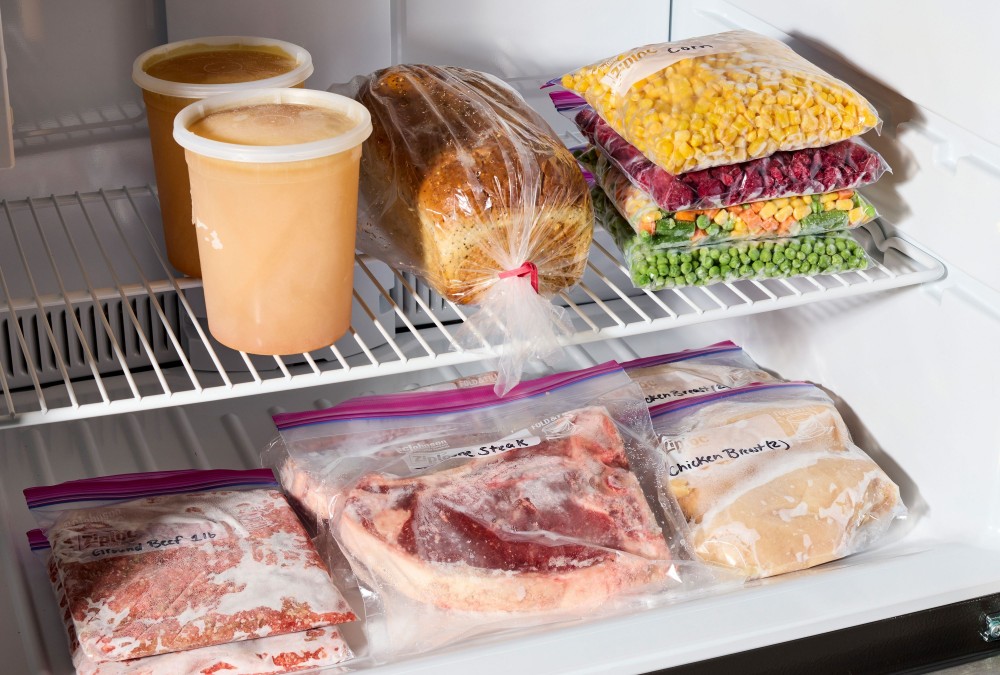
When a sudden outage strikes, one of the first concerns many homeowners have is food safety—specifically, how long a freezer can stay cold without electricity. Understanding this can help you avoid unnecessary food waste, save money, and maintain peace of mind during unexpected emergencies. A Freezer Without Power can actually keep food cold much longer than most people think, as long as it remains unopened and well-maintained.
Power failures may be unpredictable, but your response doesn't have to be. By learning the right techniques, preparing ahead, and knowing when food is no longer safe, you can ensure your household stays protected from foodborne illnesses and avoid losing expensive groceries.
In this article, we explore how long different freezers keep food cold without power, what affects cooling time, how to extend food safety during an outage, and the smart steps you can take to protect your home and wellbeing for the long term. These tips support a lifestyle built around resilience, preparedness, and Wellness for life.
How Long Does a Freezer Stay Cold Without Power?
How long your freezer stays cold depends on several factors such as its size, type, how full it is, insulation quality, and—most importantly—whether you keep the door closed.
Average Cooling Times for Different Freezers
1. Full Freezer
A full freezer stays cold the longest because frozen items help keep each other insulated.
-
A full freezer can keep food frozen for 48 hours after losing power.
2. Half-Full Freezer
If your freezer is only half full, it will not retain cold as efficiently.
-
A half-full freezer typically maintains safe temperatures for 24 hours.
3. Chest Freezers vs. Upright Freezers
Chest freezers generally stay cold longer than upright freezers.
-
Chest freezers can often last 2–3 days due to stronger insulation and reduced airflow.
-
Upright freezers tend to lose cold faster, lasting about 1–2 days.
These timeframes assume that the freezer door remains tightly closed during the outage. Opening the door even for a few seconds can reduce inside temperatures significantly.
Factors That Influence How Long a Freezer Stays Cold
Several important variables affect how long your food can stay safe without power.
1. Amount of Food Inside
A densely packed freezer holds cold air better. Frozen foods work like ice packs, stabilizing temperature.
2. Insulation Quality
Older freezers or models with weakened seals will warm up faster. Newer units are more energy-efficient and insulated.
3. Room Temperature
If your freezer sits in a hot environment (like a garage in summer), it warms more quickly.
4. Door Seal Condition
Damaged gasket seals invite warm air inside—compromising the freezer's ability to retain cold.
5. Duration and Frequency of Door Opening
Every time you open the door, you release cold air and allow warm air to replace it. In a power outage, keep the door shut completely.
Signs That Food Is No Longer Safe
Food safety is crucial. Even if food looks or smells normal, it might be unsafe. Below are key signs your food may have spoiled.
Temperature Matters Most
Food must stay below 40°F (4°C) to be considered safe. If it rises above this threshold for more than two hours, harmful bacteria can grow.
Ice Crystals Are a Good Sign
If food still has ice crystals or feels partially frozen, it can often be safely refrozen.
Texture and Odor Changes
If you notice a strange smell, slimy texture, or discoloration, throw the food away immediately.
Leakage or Excess Moisture
Melting liquids can indicate that internal temperatures have risen too much.
How to Maximize Freezer Cold Time During a Power Outage
With the right techniques, you can significantly extend the cooling duration of your freezer during outages.
1. Keep the Door Closed
This is the simplest and most effective tip. You can lose up to half the freezer’s cold air with a few quick openings.
2. Place Ice Packs or Frozen Water Jugs
Pre-freezing water containers helps maintain cold temperatures during emergencies.
3. Move Food Toward the Center
Items at the edges warm up faster. Keeping food tightly packed in the center extends safety.
4. Use Blankets for Insulation
During long outages, cover the freezer with thick blankets—but keep the vents clear. This reduces heat exposure.
5. Freeze Food Items in Advance
If a storm or scheduled outage is expected, prepare by freezing perishables like meat, bread, and milk.
6. Group Foods by Type
Foods with similar freezing points can help stabilize each other’s temperature.
How to Prepare Your Freezer Before an Outage
Preventive steps can make managing power outages much easier.
Check the Door Seal
Ensure no cracks, gaps, or loose edges exist. A tight seal keeps cold air from escaping.
Organize Your Freezer
Label foods and group them so you know where everything is without opening the door long.
Freeze Bottles of Water
This helps in two ways:
-
Keeps the freezer colder longer
-
Provides emergency drinking water
Keep it Full
A full freezer retains temperature better. Use ice bags if you don’t have enough food.
What to Do Immediately After Power Is Restored
Once electricity returns, inspect your freezer and food carefully.
1. Check the Temperature
If the freezer thermometer shows 40°F (4°C) or below, most food is safe.
2. Look for Ice Crystals
Their presence means the food remained cold enough to be refrozen.
3. Toss Unsafe Items
If food warmed above 40°F for over two hours, discard it—even if it visually looks fine.
4. Clean Melted Liquids
Condensation and drips can lead to mold or odors if ignored.
When Should You Throw Food Away?
Here are general rules for different food types during a prolonged outage:
Safe to Keep (If Ice Crystals Remain):
-
Raw meat and poultry
-
Vegetables
-
Bread and baked goods
-
Soups and stews
-
Frozen fruits
Discard If Fully Thawed and Warm:
-
Ice cream
-
Seafood
-
Soft cheeses
-
Prepared meals
-
Cream-based items
Remember: When in doubt, throw it out. Your health is more important than losing a little food.
Should You Invest in a Backup Power Solution?
For people living in areas with frequent power outages, a backup system can be a worthwhile investment.
Battery Backups
Small backups can keep your freezer running for a short time.
Gas or Solar Generators
Generators can supply enough power to maintain your freezer for extended outages.
Surge Protectors
Protect your freezer’s electrical components from sudden power return surges.
Long-Term Strategies to Prevent Food Loss
Being proactive reduces stress and financial loss during outages.
Routine Maintenance
Check seals, coils, and temperature settings every few months.
Store Food Wisely
Avoid overloading the freezer—it needs airflow to function efficiently.
Use Temperature Monitors
Wireless sensors can alert you on your phone if the freezer warms up.
Create an Emergency Plan
Include food storage strategies, alternative cooking methods, and safety checklists.
Conclusion
Understanding how long a freezer without power can stay cold isn’t just useful—it’s essential for protecting your food, your budget, and your health. A well-packed freezer can stay cold for up to 48 hours, especially if you keep the door closed and the unit is in good condition. By preparing ahead of time, knowing the warning signs of spoiled food, and following the expert tips outlined above, you can keep your household safe and minimize food waste during any outage.
Your freezer is one of your most valuable tools during a power interruption—use it wisely, maintain it regularly, and stay prepared for whatever comes your way.