
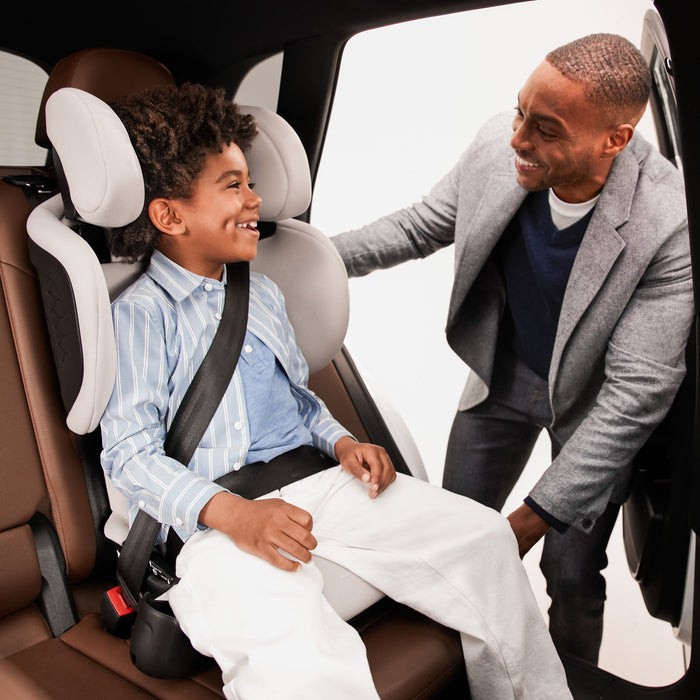
Every parent wants a smooth and secure travel experience for their child, whether it’s a quick ride to daycare or a long family trip. Booster car seats offer a dependable way to improve seat belt fit, support proper posture, and ensure safer daily transportation. As children grow out of infant and convertible models, a reliable booster option becomes the next essential step. Families often shop for these seats alongside high-quality baby furniture, creating a complete environment for comfort and safety at home and on the road.
This guide explains why choosing the right booster makes a difference, what features matter most, and how the right product helps families stay confident during every drive.
Why Children Need Booster Car Seats
Children who have exceeded the height or weight limits of a forward-facing seat still need upper-body support and proper seat belt placement. Booster car seats position the belt across the chest rather than the neck and keep the lap belt anchored at the hips. Without a booster, children may sit too low in the vehicle seat, causing the belt to ride up and increasing injury risks.
A booster ensures:
- Correct belt alignment
- Steady posture during long or short trips
- Reduced risk of sliding under the belt during sudden stops
- Improved comfort for children who spend significant time traveling
For parents who already invest in baby furniture to protect their children at home, choosing a dependable booster model becomes the natural next step for road safety.
Types of Booster Car Seats
Healthy transitions matter, and selecting the right booster depends on a child’s stage of development. The three most common options are:
High-Back Boosters
High-back boosters offer additional head and torso support. They guide the shoulder belt through proper routing and help children remain upright, which is especially useful for vehicles without tall seatbacks. These models are ideal for younger children transitioning out of a harness.
Backless Boosters
Backless models raise a child to the right height so the seat belt can rest in the correct position. They are typically more portable and convenient to move between vehicles. While they don’t include side support, they still place the belt exactly where it needs to be.
Combination Boosters
Combination seats start with a five-point harness and then convert into a booster as a child grows. Parents appreciate these options because they extend the use of one product over several years, offering both value and adaptability.
Key Features to Look for in Booster Car Seats
Parents compare boosters for many reasons, but a few features consistently stand out when evaluating safety and comfort.
Proper Belt Positioning Guides
A dependable booster includes guides that keep the belt aligned with a child’s shoulder. This simple feature reduces the risk of the belt slipping or rubbing against the neck.
Side Support and Head Protection
High-back options provide helpful structure for younger riders who still need guidance to stay upright. They also improve comfort on long drives.
Quality Padding and Breathable Materials
Smooth fabric, comfortable padding, and ventilated panels make a long ride easier for a child. These details matter as much as choosing high-quality baby furniture for the nursery—comfort supports better daily routines.
Simple Installation
A booster must be easy to transfer between vehicles and quick to secure. Many models include latch connectors to keep the seat stable even when the child is not sitting in it.
Size and Vehicle Compatibility
Families should check that the booster fits well in their car, SUV, or minivan. Wider models may not work well next to other seats, while slimmer designs can help families with multiple children.
When to Transition to Booster Car Seats
Readiness depends on both age and physical development. Most children move to booster car seats when they have outgrown the harness of a forward-facing seat. This usually occurs around the early-school years, but parents should always verify manufacturer guidelines.
A child is ready for a booster when:
- They sit upright without slouching
- They meet the minimum height and weight listed by the manufacturer
- They can follow basic riding instructions, such as staying seated correctly
Rushing a child into a booster too soon weakens protection, while waiting too long can make a harness uncomfortable. Finding the right moment ensures comfort and confidence.
How Booster Seats Support Long-Term Safety Habits
A booster helps children understand proper seat belt use. When the belt fits well, kids experience less irritation and are more likely to stay buckled without reminders. A comfortable seat also encourages better posture, which contributes to healthier habits as they grow.
Families who already focus on safety—through car seats, playroom supervision, and high-quality baby furniture—usually appreciate how a booster continues that pattern of care.
Buying Tips for Parents
Choosing the right booster doesn’t need to feel overwhelming. Here are simple points to guide the process:
- Look for a model that fits your child’s current size and expected growth
- Test how it fits in your vehicle before committing
- Check fabric durability and cleaning instructions
- Compare head and shoulder support based on your child’s needs
- Pay attention to belt-routing guides
- Prioritize comfort if your child spends long periods in the car
Well-chosen booster car seats can last several years, making careful selection worthwhile.
Conclusion
A booster is more than just a seat—it is a dependable tool that protects your child during everyday travel. With the right fit, proper belt alignment, and supportive design, families can enjoy safer and smoother rides. Just as parents invest in high-quality baby furniture to create a secure space at home, choosing a reliable booster extends that same care to every trip outside the house.