
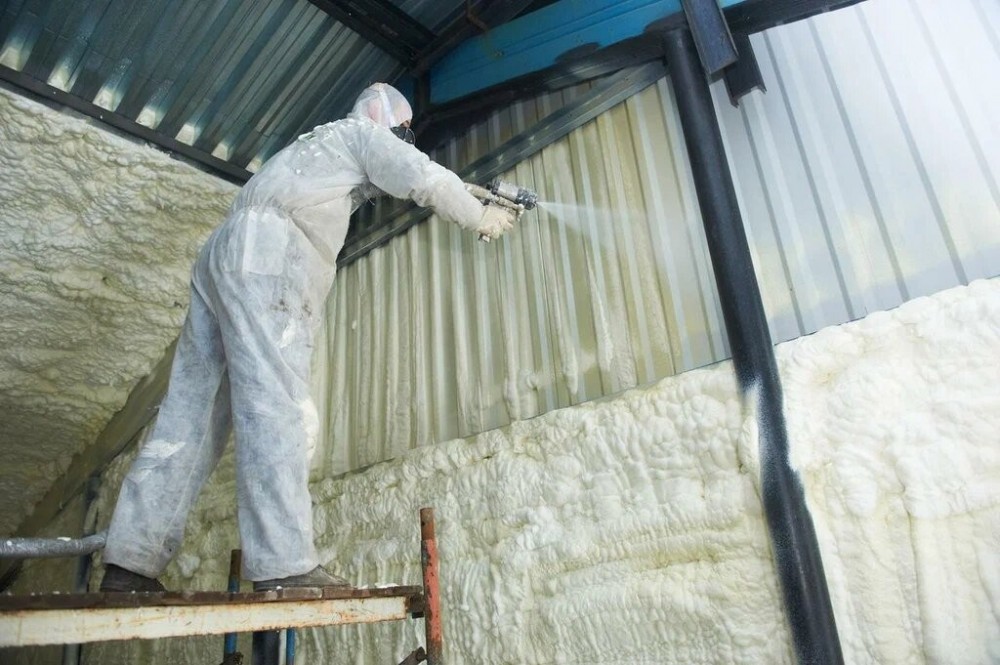
Commercial insulation keeps facilities running smoothly by creating a stable and predictable interior environment, which is the foundation of operational reliability. Beyond just lowering energy bills, a high-performance commercial insulation system directly impacts a facility's core functions by controlling temperature and humidity. This environmental control protects sensitive equipment from damage, ensures the consistency of manufacturing processes and stored goods, and improves employee comfort and productivity. In essence, proper insulation acts as a critical buffer between a business's operations and the unpredictable external climate, preventing costly disruptions and protecting assets.
This strategic approach to building performance is why facility managers are increasingly viewing insulation not as a simple building component, but as a key investment in operational continuity. Understanding how this foundational element contributes directly to a smoother, more profitable operation is key for any facility manager.
The Foundation of Environmental Control
For many commercial operations, a stable environment is not a luxury; it's a requirement. Fluctuations in temperature and humidity can have a direct and negative impact on products, processes, and equipment. A well-designed insulation system, particularly one that creates a complete air barrier, is the most effective way to establish and maintain this control
Consider these industry-specific examples:
- Warehousing and Logistics: Facilities storing everything from food products to pharmaceuticals must maintain specific temperature ranges to prevent spoilage and comply with regulations. A properly insulated building envelope drastically reduces the load on refrigeration and HVAC systems, ensuring these conditions are met reliably and affordably.
- Manufacturing: Many industrial processes, such as printing, coating, or the manufacturing of electronics, are highly sensitive to humidity and temperature. Inconsistent conditions can lead to product defects, material waste, and production delays. Insulation provides the baseline stability needed for quality control.
- Data Centers: The immense heat generated by servers requires constant cooling. Since heating and cooling can account for nearly 40% of a commercial building's energy use, a poorly insulated shell forces these systems to work much harder. This not only increases operating costs but also raises the risk of a catastrophic server failure due to overheating.
By creating a tight thermal envelope, insulation can significantly cut operational expenses, freeing up capital for other business needs.
Protecting Critical Assets and Infrastructure
Uncontrolled moisture is one of the biggest threats to a commercial facility. Condensation can form on cold surfaces like metal framing, pipes, and the underside of the roof deck. This persistent moisture can lead to a cascade of expensive problems, including structural rust, corrosion of sensitive machinery, and the growth of mold that can contaminate inventory and create an unhealthy work environment.
A robust insulation strategy is the most effective defense. Closed-cell spray foam, for example, is often used in commercial buildings because it acts as an insulation, air barrier, and vapor barrier in one application. By preventing warm, humid indoor air from reaching the cold outer shell of the building, it stops condensation before it can start. This protects the building's steel structure from rust and ensures that equipment and stored goods remain dry and undamaged. It's also important not to overlook the ductwork; insulating HVAC ducts in unconditioned spaces prevents condensation from dripping onto inventory and improves system efficiency.
Boosting Productivity and Employee Well-Being
A facility's performance is also tied to the people working inside it. A building that is too hot in the summer and cold and drafty in the winter is an uncomfortable and distracting place to work. This can lead to decreased focus, lower morale, and reduced productivity.
By creating consistent temperatures and eliminating drafts, a well-insulated facility becomes a more comfortable and stable environment for employees. This can be a particularly important factor in large, open spaces like warehouses or manufacturing floors. Furthermore, many insulation materials offer excellent acoustic properties. Insulating interior walls between a noisy factory floor and administrative offices, for example, can create a quieter, more effective workspace.
Comparing Insulation Choices for Commercial Facilities
Facility managers have several high-performance insulation options. The right choice depends on the building type, budget, and specific operational needs.
|
Feature |
Spray Foam (Closed-Cell) |
Rigid Foam Board |
Mineral Wool |
|---|---|---|---|
|
R-Value/Inch |
High (R-6.5) |
Good (R-5.0) |
Fair (R-4.2) |
|
Air Sealing |
Excellent (Monolithic) |
Fair (Seams must be taped) |
Poor |
|
Moisture Control |
Excellent (Vapor Barrier) |
Good (Vapor Retarder) |
Good (Drains water) |
|
Application |
Sprayed, fast for large areas |
Board-by-board, labor-intensive |
Friction-fit batts |
|
Best Use Case |
Metal buildings, roofs, walls |
Continuous exterior insulation |
Interior walls, fire separation |
With these material options in mind, facility managers can determine the best approach by evaluating several key factors.
Key Considerations for Your Facility's Insulation Strategy
Choosing the right insulation approach requires a careful analysis of the facility's specific needs. A thermal imaging audit, for example, is a highly effective way to identify the exact locations of air leaks and insulation gaps, allowing for a more targeted strategy. Before making a final decision, facility managers should evaluate several factors:
- The Building's Primary Function: The environmental requirements for a food-grade warehouse are very different from those for a simple equipment storage building.
- The Building Type: Insulating a pre-engineered metal building presents different challenges than insulating a concrete tilt-up structure.
- The Condition of the Existing Structure: The state of the roof, in particular, will influence the best course of action. An aging but stable roof might be a perfect candidate for a spray foam roof coating system.
- Long-Term Goals: Consider not just the immediate energy savings, but also the long-term goals for maintenance reduction, asset protection, and operational uptime.
Questions Facility Managers Ask About Insulation
Can a facility be insulated without a complete shutdown of operations?
Yes. Experienced commercial insulation contractors can often work in sections and during off-hours to minimize disruption to the facility's daily activities.
How does insulation impact a building's fire rating?
All commercial insulation products must meet strict fire safety codes. Materials like mineral wool are naturally fire-resistant, while spray foams and foam boards are treated with fire retardants. They are typically required to be covered by a thermal barrier, like drywall or a specialized coating.
What is the typical return on investment for an insulation upgrade?
The ROI varies based on climate, energy costs, and the building's initial condition, but many commercial insulation projects have a payback period of three to seven years through energy savings alone. This doesn't include the savings from preventing product or equipment damage.
Is spray foam a good choice for metal buildings?
Spray foam is an excellent choice for metal buildings. It stops air leakage through the panel seams, prevents condensation on the metal skin, and adds rigidity to the structure, all in one step.
Does roof insulation affect HVAC equipment?
Proper roof insulation significantly reduces the temperature fluctuations on the roof deck, which can lower the workload on rooftop HVAC units, extending their service life and reducing maintenance costs.
Getting an Expert Assessment for Your Facility
Ultimately, commercial insulation is a powerful tool for proactive facility management. It moves beyond a reactive cycle of fixing leaks and repairing moisture damage to a strategy that prevents problems from occurring in the first place. Because every building has unique challenges, a professional assessment is the best way to develop a strategy that delivers the greatest operational benefits. For businesses looking for an expert evaluation, the team at Cascadia Spray Foam Insulation of Seattle specializes in commercial and industrial applications. They have the experience to analyze a facility’s specific needs and recommend the most effective solutions. They can be contacted for a consultation at info@cascadiasprayfoam.com or (425) 386-3500.
Reviewer: Olivia Thompson has spent 10 years working in spray foam insulation, helping companies grow their visibility. She reviewed this article and provided valuable suggestions on how to better align the content with the needs and expectations of customers, ensuring it resonates with the target audience.