
Total Hip Replacement: A Complete Guide to One of the Most Successful Orthopedic Procedures
Hip pain and mobility problems can significantly impact daily life — from walking and bending to sleeping comfortably. For people suffering from severe hip arthritis, fractures, or joint degeneration, a Total Hip Replacement (THR) can be a life-changing solution. Over the years, advancements in surgical techniques and implant materials have made this procedure highly successful, with millions of patients regaining pain-free movement worldwide.
This comprehensive guide will help you understand everything about Total Hip Replacement, including what it is, why it’s done, how it works, and what recovery looks like.
What Is Total Hip Replacement Surgery?
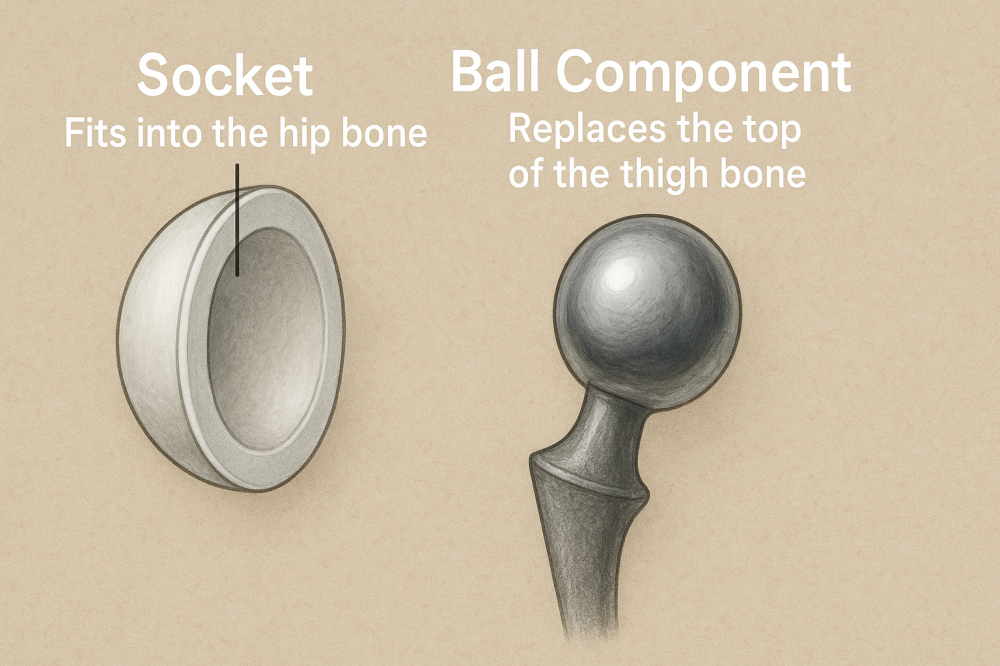
Total Hip Replacement Surgery, also known as Total Hip Arthroplasty (THA), is a surgical procedure performed to replace the damaged or worn-out parts of the hip joint with artificial components called prostheses.
The hip is a ball-and-socket joint, where the femoral head (ball) fits into the acetabulum (socket) of the pelvis. Over time, due to conditions like osteoarthritis, rheumatoid arthritis, or avascular necrosis, the cartilage that cushions this joint wears away, causing friction, pain, and stiffness.
During Total Hip Replacement surgery, the orthopedic surgeon:
-
Removes the damaged bone and cartilage.
-
Replaces the femoral head with a metal or ceramic ball attached to a stem that fits into the femur.
-
Replaces the acetabulum with a cup-like socket made of metal, ceramic, or plastic.
-
Inserts a liner between the ball and socket to allow smooth movement.
This artificial hip joint mimics the natural motion of the hip, reducing pain and restoring flexibility.
Why Is Total Hip Replacement Done?
Total Hip Replacement is recommended when conservative treatments such as medication, physiotherapy, or injections fail to relieve pain or improve function. The main goal of this surgery is to restore mobility, reduce chronic pain, and improve quality of life.
Common medical conditions that may lead to the need for a hip replacement include:
-
Osteoarthritis – The most common cause, where the cartilage gradually wears away.
-
Rheumatoid Arthritis – An autoimmune disease that inflames and damages the joint.
-
Post-Traumatic Arthritis – Results from injury or fractures around the hip joint.
-
Avascular Necrosis – Occurs when reduced blood flow causes bone tissue death.
-
Hip Dysplasia – A congenital condition where the hip socket doesn’t fully cover the ball portion of the upper thigh bone.
Patients with severe joint stiffness, pain while resting, or difficulty walking often benefit greatly from Total Hip Replacement surgery.
Who Is a Candidate for Total Hip Replacement?
Not everyone with hip pain needs surgery. The decision depends on a thorough orthopedic evaluation, imaging tests, and medical history. You may be a candidate if you experience:
-
Persistent hip pain that limits daily activities such as walking or climbing stairs.
-
Pain that continues even while resting or at night.
-
Stiffness that restricts motion or causes limping.
-
Ineffective relief from medications or physical therapy.
Generally, adults of any age can undergo hip replacement, though most patients are between 50 to 80 years old. The surgeon considers overall health, bone quality, and lifestyle before recommending surgery.
Types of Total Hip Replacement
Depending on the condition and the surgeon’s approach, there are different types of hip replacement surgeries:
-
Traditional Total Hip Replacement – Involves a longer incision to access the hip joint, commonly used in complex cases.
-
Minimally Invasive Hip Replacement – Uses smaller incisions, resulting in less blood loss, reduced muscle damage, and quicker recovery.
-
Cemented vs. Uncemented Implants –
-
Cemented implants use bone cement to secure the components.
-
Uncemented implants rely on bone growth for fixation.
-
-
Hybrid Hip Replacement – Combines cemented and uncemented components for optimal stability.
Your orthopedic surgeon will choose the most suitable type based on bone density, age, and activity level.
The Procedure: Step-by-Step Overview
-
Anesthesia – The patient receives either general anesthesia or spinal anesthesia.
-
Incision and Exposure – The surgeon makes an incision to expose the hip joint.
-
Removal of Damaged Tissue – Damaged cartilage and bone are carefully removed.
-
Implant Placement – The artificial socket and femoral component are positioned precisely.
-
Reconstruction and Closure – Muscles and soft tissues are repositioned, and the incision is closed.
The surgery typically takes 1 to 2 hours, and most patients stay in the hospital for a few days after the operation.
Benefits of Total Hip Replacement
Total Hip Replacement offers numerous benefits that can significantly enhance quality of life:
-
Dramatic pain relief and reduced stiffness.
-
Improved joint function and mobility.
-
Better sleep quality due to pain reduction.
-
Increased independence in daily activities.
-
Long-lasting results – modern implants can last 15 to 20 years or more.
Many patients report that they can return to normal activities such as walking, swimming, and even light jogging after recovery.
Recovery and Rehabilitation After Total Hip Replacement
Recovery is an essential part of the success of Total Hip Replacement surgery. The rehabilitation process focuses on restoring joint motion, muscle strength, and stability.
Hospital Stay & Early Recovery:
-
Patients usually stand or walk with assistance within 24 hours after surgery.
-
Pain management, antibiotics, and blood-thinning medications are provided.
-
Physical therapy starts early to encourage joint movement.
Rehabilitation Phase (Weeks 2–6):
-
Exercises focus on strengthening hip and leg muscles.
-
Use of assistive devices like walkers or canes is common initially.
-
Patients are advised to avoid bending at extreme angles or crossing their legs.
Long-Term Recovery (After 3 Months):
-
Most patients resume light activities and low-impact exercises like swimming or cycling.
-
Regular follow-ups ensure the implant is functioning well.
Following your surgeon’s post-operative instructions is crucial for avoiding complications such as infection, blood clots, or dislocation. With proper rehabilitation, patients can achieve a pain-free, active lifestyle within 3–6 months.
Risks and Complications
While Total Hip Replacement is considered safe and effective, every surgical procedure carries some risks, including:
-
Infection around the implant site.
-
Blood clots in the leg veins (deep vein thrombosis).
-
Dislocation of the new joint.
-
Unequal leg length.
-
Loosening or wear of the implant over time.
Choosing an experienced orthopedic surgeon and following medical advice carefully can greatly reduce these risks.
Conclusion
Total Hip Replacement Surgery is one of the most successful and life-improving procedures in orthopedic medicine. For people living with chronic hip pain, stiffness, or loss of mobility, this surgery can provide lasting relief and restore independence. With advancements in surgical techniques, durable implants, and well-structured rehabilitation programs, patients can expect excellent long-term outcomes.
If you’re considering hip replacement, consult a qualified orthopedic specialist who can evaluate your condition, explain your options, and guide you toward a successful recovery.