
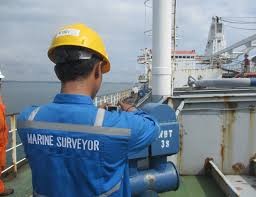
Introduction
The safety of ships at sea depends on regular checks, careful assessments, and professional maintenance. One of the most important aspects of maritime safety is ship surveys and inspections, which ensure that vessels are seaworthy, compliant with international standards, and safe for both crew and cargo. These surveys are not only essential for smooth operations but also help in building trust with shipping companies, clients, and regulatory bodies.
Why Ship Surveys Are Important
Ships operate in some of the harshest environments, facing constant exposure to saltwater, changing weather, and heavy loads. Over time, these conditions can cause structural wear and mechanical issues. Surveys identify such problems early and prevent accidents, breakdowns, or costly delays. They also verify compliance with global maritime regulations, reducing the risk of penalties or legal challenges for shipowners.
Types of Ship Surveys and Inspections
Different kinds of surveys are carried out depending on the age, type, and purpose of the vessel:
-
Annual Surveys – Conducted every year to confirm that ships meet all safety and operational standards.
-
Intermediate Surveys – Performed mid-way between major surveys to check machinery, safety equipment, and structural strength.
-
Special Surveys – A thorough check done every few years covering all aspects of the ship, from hull to machinery.
-
Port State Control Inspections – Random checks carried out by authorities to ensure vessels comply with international safety and environmental rules.
Key Areas of Inspection
During inspections, surveyors focus on critical areas such as:
-
Hull and Structure – Examining the condition of the hull, deck, and supporting framework.
-
Safety Equipment – Checking lifeboats, fire extinguishers, alarms, and other emergency gear.
-
Navigation and Communication Systems – Ensuring proper functioning of radars, radios, and navigational tools.
-
Machinery and Engine Rooms – Inspecting engines, pumps, and power systems for reliability.
Benefits for Shipowners and Operators
Regular surveys offer several advantages:
-
Improved Safety – Reduces risks of accidents and enhances crew confidence.
-
Cost Savings – Early detection of problems prevents expensive repairs later.
-
Regulatory Compliance – Ensures ships meet IMO and classification society requirements.
-
Business Reliability – Builds trust with charterers, cargo owners, and insurance companies.
Role of Professional Surveyors
Professional marine surveyors bring technical expertise and experience to inspections. They provide detailed reports, highlight risks, and suggest corrective measures. Their unbiased assessments are vital for insurance claims, buying or selling vessels, and ensuring ships meet international standards.
Note :- Prominence Shipping Agency is a trusted shipping and logistics company in Dubai, committed to delivering reliable marine solutions across the UAE. With a strong focus on relationships and long-term partnerships, we offer a wide range of services including pre-dock support, underwater marine services, offshore supply vessels, technical support services, and marine engineering. Our team works with dedication and expertise to support your operations with efficiency and professionalism.
Conclusion
Ship surveys and inspections are an essential part of maritime operations. They safeguard lives, cargo, and the environment while ensuring that vessels remain in peak condition. For shipowners and operators, investing in timely inspections is not just about meeting regulations—it is about securing long-term efficiency, safety, and reputation in the competitive maritime industry.