
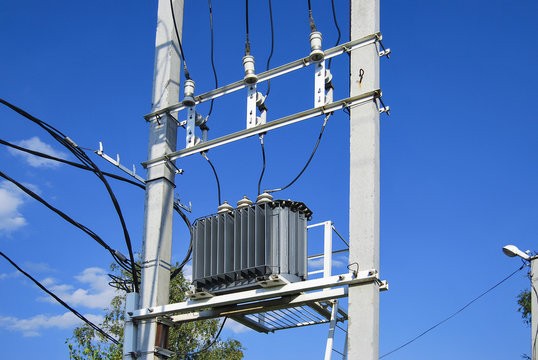
Distribution transformers are critical components in the electrical power distribution system, ensuring that electricity from high-voltage transmission lines is converted into lower voltages suitable for residential, commercial, and industrial use. While they are designed to operate reliably for many years, they are not immune to wear, environmental conditions, or operational issues. Understanding the common problems they face—and knowing how to address them—can help prevent costly breakdowns and extend their service life.
Understanding the Role of a Distribution Transformer
A distribution transformer plays a vital role in delivering electricity from the substation to end users. By reducing the voltage from high transmission levels to usable levels for homes and businesses, it ensures safe and efficient power delivery. Given their importance, any malfunction can result in power interruptions, equipment damage, or even safety hazards. That’s why it’s crucial to recognize problems early and apply the right fixes before they escalate.
Common Problems in Distribution Transformers and Their Fixes
1. Overheating
Problem:
Overheating is one of the most common issues in distribution transformers. It can occur due to overloading, poor ventilation, high ambient temperatures, or faulty cooling systems. Prolonged overheating degrades insulation, shortens lifespan, and can cause permanent damage.
Fix:
-
Reduce the load to within the transformer’s rated capacity.
-
Ensure adequate ventilation and cooling, including functioning fans or oil pumps in oil-cooled units.
-
Regularly inspect for blockages in airflow or oil flow.
-
Monitor temperature gauges to detect rising heat early.
2. Oil Leakage
Problem:
In oil-filled transformers, oil leakage can occur from tank welds, gaskets, or radiators. Transformer oil is essential for insulation and cooling, so a drop in oil levels can lead to overheating and insulation breakdown.
Fix:
-
Inspect the source of leakage and replace damaged gaskets or seals.
-
Tighten loose bolts carefully without over-torquing.
-
If leakage is severe, drain, repair, and refill with filtered oil of the correct grade.
-
Perform routine oil level checks as part of preventive maintenance.
3. Insulation Failure
Problem:
Insulation breakdown is often caused by moisture ingress, overheating, or aging. Poor insulation increases the risk of short circuits and transformer failure.
Fix:
-
Test insulation regularly using insulation resistance testers.
-
Replace deteriorated insulation materials immediately.
-
Keep the transformer oil dry and free from contaminants.
-
Use silica gel breathers to prevent moisture absorption.
4. Bushing Damage
Problem:
Bushings provide insulation between the energized conductors and the grounded tank. Damage due to mechanical stress, pollution, or flashover can compromise insulation and lead to faults.
Fix:
-
Regularly inspect bushings for cracks, discoloration, or dirt buildup.
-
Clean bushings periodically to prevent dust accumulation.
-
Replace damaged bushings promptly to avoid flashovers.
5. Tap Changer Malfunctions
Problem:
On-load and off-load tap changers adjust voltage levels, but mechanical wear, poor lubrication, or carbon deposit buildup can cause malfunction.
Fix:
-
Inspect tap changer contacts for wear and carbon buildup.
-
Lubricate moving parts with manufacturer-recommended lubricants.
-
Replace damaged contacts or gears.
-
Follow a strict maintenance schedule to avoid operational interruptions.
6. Corrosion of Tank and Components
Problem:
Outdoor exposure can lead to corrosion of the transformer tank, radiators, and other metal parts, weakening their structure and increasing the risk of leaks.
Fix:
-
Apply anti-corrosion coatings or paint to exposed surfaces.
-
Remove rust using sandblasting or rust removers before repainting.
-
Ensure rainwater drainage systems around the transformer are functional.
7. Partial Discharge
Problem:
Partial discharge occurs when there is a localized dielectric breakdown in insulation due to voids, cracks, or contamination. Over time, it can cause catastrophic insulation failure.
Fix:
-
Use partial discharge testing equipment to detect early signs.
-
Replace faulty insulation components.
-
Maintain oil purity and dryness.
-
Avoid over-voltage conditions.
8. Noise and Vibrations
Problem:
Unusual humming or vibrations can be caused by loose core bolts, winding movement, or mechanical wear. Excessive noise can indicate a more serious underlying problem.
Fix:
-
Inspect core clamps and bolts for tightness.
-
Ensure the transformer is installed on a stable, vibration-dampening foundation.
-
If noise persists, carry out a detailed inspection for internal faults.
9. Overloading
Problem:
Consistently running a transformer beyond its rated capacity increases heat and accelerates aging of insulation and other components.
Fix:
-
Monitor load levels and redistribute loads where possible.
-
Upgrade to a higher capacity transformer if demand consistently exceeds ratings.
-
Educate operators on safe loading limits.
10. Moisture Contamination
Problem:
Moisture in transformer oil reduces dielectric strength and promotes insulation breakdown.
Fix:
-
Use oil filtration and dehydration systems to remove moisture.
-
Replace saturated silica gel breathers promptly.
-
Store spare oil in sealed containers away from damp environments.
Preventive Maintenance Tips for Distribution Transformers
-
Perform monthly visual inspections for leaks, corrosion, or unusual noise.
-
Test oil regularly for dielectric strength, moisture content, and acidity.
-
Track load patterns to prevent overloading.
-
Use infrared thermography to detect hot spots early.
-
Follow manufacturer-recommended service intervals for scheduled maintenance.
Real-World Example
In a medium-sized manufacturing plant, repeated power interruptions were traced to overheating in a 500 kVA distribution transformer. Upon inspection, it was found that blocked radiator fins were restricting oil cooling. Cleaning the fins, replacing aged oil, and installing a better ventilation system reduced operating temperatures by 15°C, eliminating shutdowns and extending the transformer’s expected life.
Conclusion
Distribution transformers are essential for reliable electricity delivery, but they are prone to issues such as overheating, oil leakage, insulation failure, and mechanical wear. Addressing these problems promptly and adopting a preventive maintenance routine can significantly reduce downtime and repair costs. By understanding the common issues and their fixes, operators and maintenance teams can ensure that their distribution transformers operate efficiently for many years, supporting uninterrupted power supply to homes, businesses, and industries.