
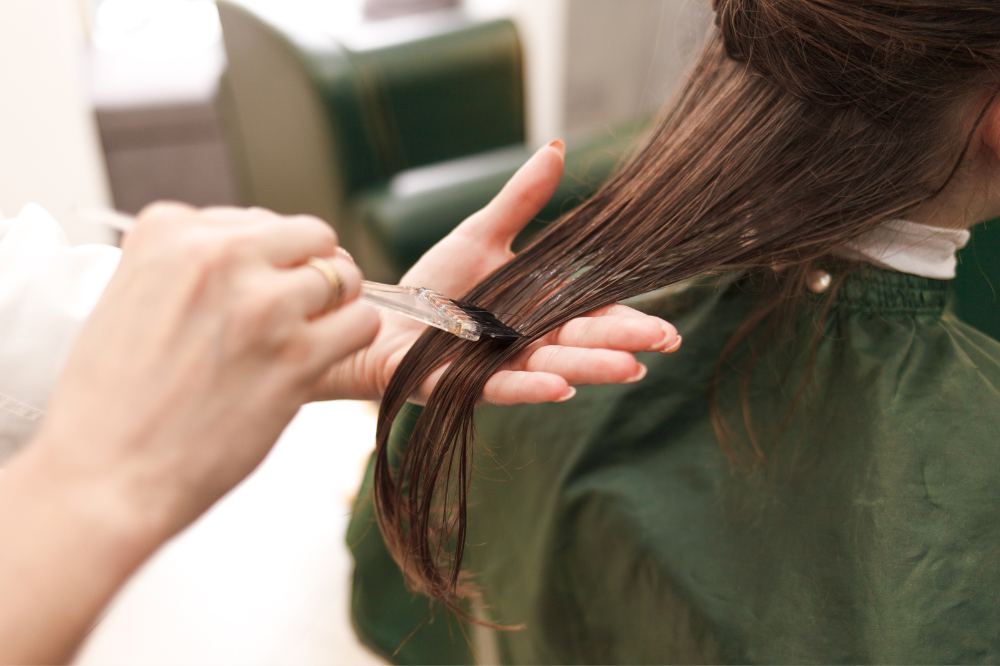
In the pursuit of smooth, shiny, and manageable hair, two treatments often dominate salon conversations: Hair Botox and Keratin Treatments. Both promise to transform dull, frizzy, and unmanageable locks into sleek, healthy strands—but they serve different purposes and work in different ways.
If you're unsure which one is best for your hair type and goals, this comprehensive guide will break down everything you need to know about Hair Botox vs. Keratin, including their ingredients, benefits, processes, results, longevity, safety, and ideal candidates.
Understanding the Basics
What is Hair Botox?
Hair Botox is a deep-conditioning treatment designed to repair damaged hair. Contrary to its name, it doesn’t contain botulinum toxin (the active ingredient in cosmetic Botox). Instead, it's named "Botox" because it acts as a filler for damaged or broken hair strands, much like how facial Botox fills fine lines and wrinkles.
Hair Botox works by coating the hair fiber with a potent blend of vitamins, proteins, amino acids, collagen, and natural oils, helping restore moisture, elasticity, and strength without harsh chemicals.
What is a Keratin Treatment?
A Keratin Treatment, also known as a Brazilian Blowout or Keratin Straightening Treatment, is a chemical process that infuses the hair with keratin protein—the same protein naturally found in hair—to smooth and straighten it. Some keratin treatments may use formaldehyde or formaldehyde-releasing ingredients to lock the protein into the hair and maintain straightness.
The goal of keratin treatments is frizz reduction and straightening, rather than repair.
Ingredients: What's Inside Each Treatment?
Hair Botox
Hair Botox typically contains:
-
Collagen Complex
-
Keratin (in small amounts)
-
Amino Acids
-
Vitamin E, B5
-
Natural oils (e.g., argan, coconut, macadamia)
-
Hyaluronic Acid
These ingredients work to deeply condition, strengthen, and hydrate the hair without altering its natural texture.
Keratin Treatment
Keratin treatments include:
-
Liquid keratin protein
-
Chemical sealants (sometimes formaldehyde or similar compounds)
-
Silicones
-
Conditioning agents
The inclusion of formaldehyde or its derivatives helps bond keratin to the hair, which leads to long-lasting straightening effects.
Purpose and Benefits
Hair Botox Benefits
-
Repairs split ends and damage
-
Deeply hydrates and nourishes
-
Reduces frizz without chemical processing
-
Restores shine and softness
-
Improves manageability and combability
-
Safe for all hair types, including color-treated hair
Best For: Dry, damaged, over-processed hair needing repair and moisture—not necessarily straightening.
Keratin Treatment Benefits
-
Smooths and straightens hair significantly
-
Eliminates frizz and flyaways
-
Reduces styling time (less blow-drying and flat ironing)
-
Adds glossy shine
-
Lasts longer with proper care
Best For: Thick, curly, or frizzy hair needing taming, straightening, and smoothing.
The Treatment Process: Step-by-Step
Hair Botox Process
-
Hair is washed with a clarifying shampoo.
-
Hair Botox formula is applied evenly from root to tip.
-
The product is left on for 30–60 minutes.
-
It may be rinsed or left in depending on the brand.
-
Hair is blow-dried and flat-ironed to seal in the product.
Time Required: 1.5 to 3 hours
Results: Visible immediately, soft and natural
Keratin Treatment Process
-
Hair is washed and dried.
-
The keratin formula is applied section by section.
-
Product is left to sit for 20–30 minutes.
-
Hair is blow-dried and flat-ironed at high heat to seal the product.
-
You may need to avoid washing for 2–3 days afterward.
Time Required: 2 to 4 hours
Results: Pin-straight, smooth, ultra-glossy hair
How Long Do Results Last?
-
Hair Botox: 2 to 4 months
(Depends on hair type, washing frequency, and aftercare) -
Keratin Treatment: 3 to 5 months
(Lasts longer with sulfate-free shampoos and minimal heat styling)
Safety and Side Effects
Hair Botox Safety
-
Free from formaldehyde and harsh chemicals
-
Considered safe for pregnant women (though consult your doctor)
-
Low risk of allergic reactions (always patch test first)
-
No harsh fumes during application
Keratin Treatment Safety
-
May contain formaldehyde or its derivatives, which release strong fumes
-
Can cause eye and skin irritation if inhaled during treatment
-
Not recommended for pregnant or breastfeeding women
-
Requires well-ventilated spaces and skilled application
Note: Formaldehyde-free keratin options are available, but may be less effective at straightening.
Hair Type Suitability
| Hair Type | Hair Botox | Keratin Treatment |
|---|---|---|
| Fine Hair | Yes – adds volume | May cause flatness |
| Thick Hair | Yes | Yes |
| Curly Hair | Softens curls, repairs damage | Loosens or straightens curls |
| Frizzy Hair | Smooths cuticle | Eliminates frizz |
| Color-Treated Hair | Safe and nourishing | May fade color unless designed for dyed hair |
Cost Comparison
-
Hair Botox: $100–$300 (Salon), $30–$80 (At-home kits)
-
Keratin Treatment: $150–$400 (Salon), $50–$100 (At-home kits)
Prices vary based on hair length, salon location, and product quality.
Maintenance and Aftercare
For Hair Botox:
-
Use sulfate- and paraben-free shampoo
-
Avoid excessive heat styling
-
Hydrate with masks or serums weekly
-
Touch-up every 2–3 months
For Keratin:
-
Don’t wash hair for 48–72 hours post-treatment (unless specified)
-
Sleep on a silk pillowcase to reduce frizz
-
Avoid tying or clipping hair tightly for 3 days
-
Use keratin-safe hair products only
Which One Should You Choose?
Choose Hair Botox if:
-
Your hair is damaged, dry, or over-processed
-
You want deep conditioning without altering your natural texture
-
You’re looking for a safe, chemical-free solution
-
You want to improve manageability and reduce frizz without full straightening
Choose Keratin Treatment if:
-
You want to straighten your hair or loosen curls
-
You struggle with heavy frizz and thick, unmanageable hair
-
You’re okay with using chemical-based treatments for longer-lasting results
-
You want salon-smooth hair with minimal daily styling effort
Final Verdict
Both Hair Botox and Keratin treatments offer amazing hair transformations—but they serve different purposes.
-
Hair Botox is like a nourishing spa treatment for your hair, focusing on repair and rejuvenation.
-
Keratin is more like a straightening and smoothing solution, ideal for those who want a sleek, polished look.
Understanding your hair’s needs—whether it's repair, hydration, or straightening—will help you choose the best treatment. When in doubt, consult a professional stylist to assess your hair’s condition and recommend the right solution tailored to your goals.