
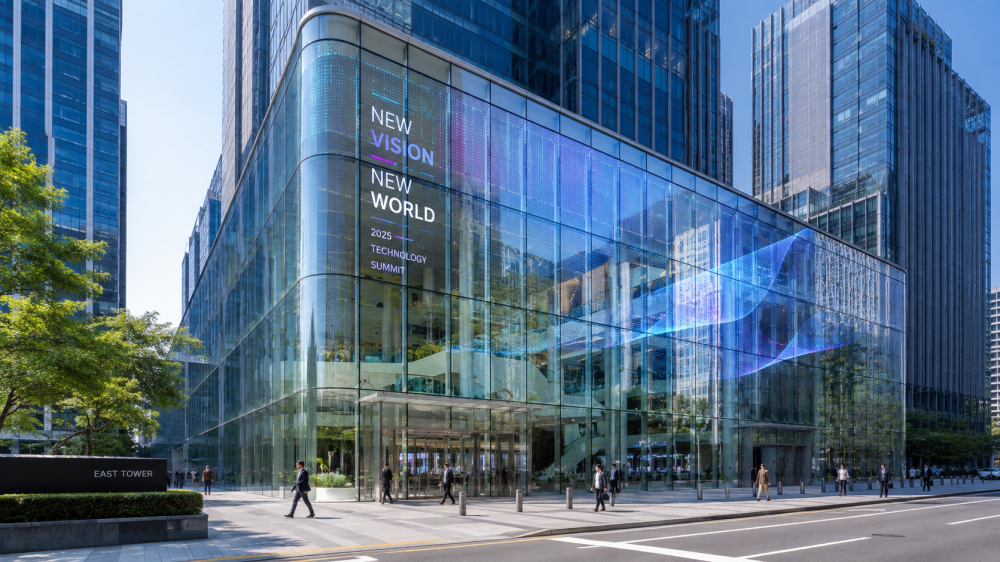
Transparent LED technology has transformed the way businesses integrate digital displays into architectural spaces. From retail storefronts and commercial facades to airports, corporate buildings, and exhibition environments, transparent displays offer a unique combination of visual communication and structural visibility. Their ability to deliver digital content while preserving natural light and transparency has made them a popular alternative to conventional LED displays.
However, the growing adoption of transparent LED technology has also created a common misconception in the market. Many project owners assume that a transparent LED screen is a standardized product that can be installed across any environment with minimal modification. In reality, transparent LED installations are among the most application-dependent display projects in the industry.
This is why an experienced transparent LED screen manufacturer approaches each project as an engineering exercise rather than a simple product installation.
The Biggest Misconception About Transparent LED Screens
One of the most common mistakes in transparent LED projects is focusing solely on the display itself rather than the application environment. You need to understand one thing that not every installation has the same performance requirements
Many buyers compare specifications such as pixel pitch, brightness, or transparency percentage without evaluating how the screen will actually function within the intended space. The reality is that display performance depends heavily on project-specific conditions.
A transparent screen designed for indoor branding may struggle to deliver visibility on a sun-facing glass facade. Similarly, a screen optimized for long-distance viewing may not produce the image quality required in close-viewing environments.
The success of a transparent LED installation therefore depends less on selecting a standard product and more on matching technical specifications to operational requirements.
Why You Cannot Use Standard LED Screens Everywhere
LED screens can now be seen anywhere and everywhere you go. But from a business perspective, if you are procuring an LED display for your store or establishment, you need to know the specifications of the screen that might be the ‘best fit’ for your space.
Here are a few situations where you need to pay attention to:
Building Structure Determines Installation Possibilities
Unlike conventional LED screens that are mounted onto dedicated structures, transparent displays often become part of the building envelope itself. Glass dimensions, facade geometry, mullion spacing, and structural load capacities directly affect how the display can be integrated into the architecture. These factors frequently require modifications to cabinet dimensions, mounting systems, and power distribution layouts.
A transparent LED solution that fits one building perfectly may be unsuitable for another. Differences in access points, support structures, and maintenance pathways can influence system design long before installation begins. This is one of the primary reasons why standard display configurations often require customization.
Higher Transparency Does Not Always Deliver Better Results
Many buyers assume that maximum transparency automatically represents the best solution. However, transparency and image performance share a direct relationship. Increasing transparency reduces the available LED density, which can affect image brightness, contrast, and content clarity. The ideal transparency level depends on the project's operational goals rather than a universal industry standard.
Retail environments often prioritize vibrant content presentation, while commercial buildings may prioritize outward visibility through the glass. Manufacturers must determine the correct balance between these requirements to ensure both architectural and communication objectives are achieved.
Viewing Distance Influences Pixel Pitch Selection
Pixel pitch selection depends largely on where the audience will view the display. Installations viewed from close distances require higher pixel density to maintain image sharpness and visual comfort. Displays intended for long-range viewing can operate effectively with wider pixel pitches because individual pixels become less noticeable at greater distances.
Large public installations often serve audiences approaching from multiple directions. Viewing-angle requirements influence LED placement, display orientation, and content visibility.
Ambient Light Conditions Create Different Brightness Requirements
Lighting conditions play a major role in transparent display performance. Indoor installations generally operate under controlled lighting environments, while exterior-facing glass facades must compete with direct sunlight. As a result, brightness requirements vary significantly between projects.
Environmental exposure can influence thermal performance, component durability, and maintenance requirements. Manufacturers must evaluate installation conditions carefully to ensure the display can maintain consistent performance over its operational lifespan.
Not Every Screen Displays the Same Type of Content
Content requirements often determine display specifications. Static branding messages, informational content, architectural media, and dynamic advertising campaigns all place different demands on the display system. The complexity of the content influences decisions related to resolution, refresh rates, processing capabilities, and overall display architecture.
A luxury retail brand may prioritize visual aesthetics and color accuracy, while a transportation hub may focus on information visibility and readability.
What to Look for in a Transparent LED Screen Manufacturer
Technical Consultation Before Product Recommendation
A capable manufacturer starts by understanding the project, not by recommending a display model. Factors such as building design, viewing conditions, transparency requirements, content objectives, and installation constraints should guide the solution selection process.
Customization Capability
Transparent LED projects rarely fit standard product dimensions. Manufacturers should have the capability to adapt screen size, cabinet structure, transparency ratio, and mounting systems to suit specific project requirements rather than forcing projects to fit existing products.
Architectural Integration Expertise
The best solutions work with the building, not against it. A manufacturer should understand how transparent LED systems interact with glass facades, curtain walls, atriums, and commercial structures while preserving both aesthetics and functionality.
Application-Focused Engineering
Different applications demand different performance characteristics. Retail storefronts, commercial facades, transportation hubs, and corporate environments each require a different balance of transparency, brightness, pixel pitch, and visual impact. Manufacturers should engineer solutions around the application rather than offering a one-size-fits-all approach.
Proven Project Execution Capability
The ability to manufacture a display is only one part of the equation. Successful project delivery requires experience in design validation, installation planning, system integration, and performance optimization. Manufacturers with proven execution capabilities are generally better positioned to deliver predictable project outcomes.
Final Thoughts
The most successful transparent LED screen installations do not start with a display specification—they start with a clear understanding of the project itself. This is why experienced manufacturers focus on engineering the right fit rather than offering a one-product-fits-all product. In transparent LED applications, project requirements should always drive the technology decision, and not the other way around.