
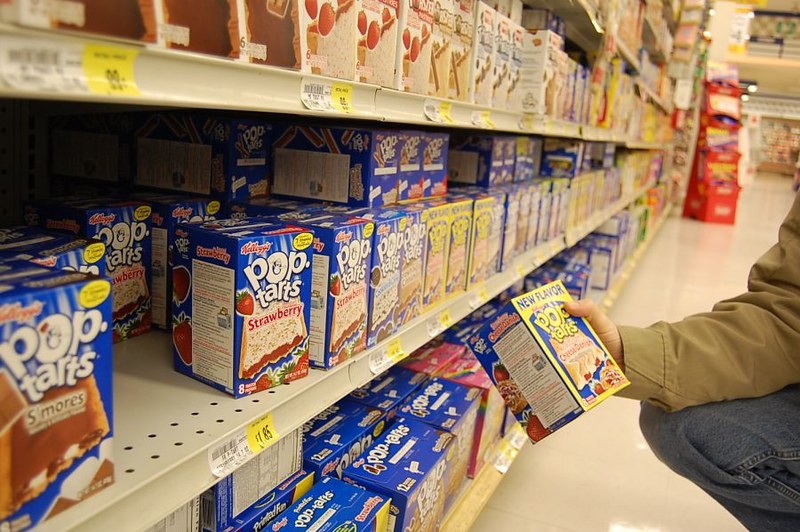
Pop-Tarts have long been a beloved snack, known for their sweet fillings and convenient, toaster-ready format. However, not every flavor released has been a hit. Some combinations have left consumers confused, amused, or even horrified. These unusual creations are often referred to as cursed pop tart flavors, a term that perfectly captures their bizarre and unexpected nature. In this article, we’ll explore what makes these flavors so strange, highlight some of the most infamous examples, and understand why they continue to capture attention.
What Are Cursed Pop Tart Flavors?
The phrase “cursed” is often used online to describe something that feels oddly wrong or unsettling. When applied to food, it refers to flavor combinations that seem unnatural or unappetizing.
The Concept Behind the Term
Cursed Pop-Tart flavors are not necessarily unsafe or poorly made; instead, they challenge traditional expectations of what a toaster pastry should taste like. While most people expect fruity or chocolatey fillings, these flavors experiment with unusual ingredients or surprising pairings.
Why They Stand Out
What makes these flavors memorable is their shock value. Consumers often try them out of curiosity, even if they’re unsure whether they’ll enjoy the taste. This curiosity plays a big role in their popularity.
Examples of the Strangest Flavors
Over the years, several Pop-Tart flavors have gained a reputation for being particularly unusual.
Everything Bagel Pop-Tarts
One of the most talked-about experimental releases included an “Everything Bagel” flavor. Instead of the usual sweetness, it featured savory notes like garlic, onion, and sesame seeds. For many fans, this was a confusing departure from the brand’s identity.
Maple Bacon Experiment
Another eyebrow-raising concept was the idea of combining maple syrup sweetness with smoky bacon flavor. While this pairing works in breakfast dishes, translating it into a pastry filling felt unusual to many.
Mystery and Limited Editions
Limited-edition releases often push boundaries even further. Some flavors are intentionally vague or experimental, encouraging consumers to guess the ingredients. These releases frequently fall into the category of cursed pop tart flavors because of their unpredictability.
Why Do Brands Create These Flavors?
It may seem risky to produce such unconventional products, but there are strategic reasons behind these decisions.
Marketing and Virality
Unusual flavors generate buzz. Social media platforms thrive on surprising and shareable content, and strange food combinations often go viral. This attention can significantly boost brand visibility.
Testing Consumer Preferences
Brands also use these flavors to test new ideas. Even if a flavor isn’t widely loved, it provides valuable feedback about consumer tastes and trends.
Limited-Time Appeal
Many of these flavors are released for a short time, creating a sense of urgency. People are more likely to try something unusual if they know it won’t be available for long.
Are They Actually Worth Trying?
The answer depends on personal taste and openness to experimentation.
For Adventurous Eaters
If you enjoy trying new and unconventional foods, these flavors can be a fun experience. They offer something different from the standard options and can be a great conversation starter.
For Traditional Fans
If you prefer classic flavors like strawberry or chocolate fudge, these experimental varieties may not appeal to you. The unfamiliar taste combinations can feel overwhelming or mismatched.
Still, the curiosity surrounding cursed pop tart flavors often convinces even the most hesitant consumers to give them a try at least once.
Conclusion
In the world of snack foods, innovation often means stepping outside the comfort zone. While not every experiment is successful, the existence of cursed pop tart flavors shows how brands are willing to take risks and challenge traditional expectations. Whether you find them amusing, intriguing, or downright strange, there’s no denying their impact on food culture.