
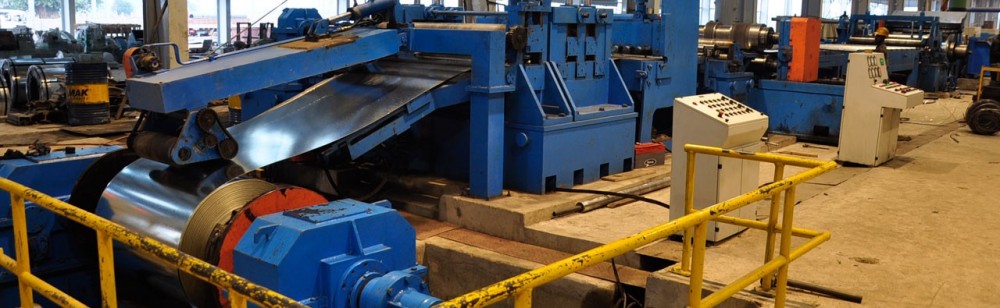
A metal cut to length line is one of the essential machines in the metal processing industry, extensively used for steel shearing purposes. Despite constant technological advancement of metal cut-to-length machines, several issues arise during their operational process. This paper will analyse typical problems of metal cut-to-length lines, their resolution methods, and means of avoiding them to ensure the smooth functioning of the machine.
- Inconsistency in Length Cutting
The primary problem that occurs in the cut to length line is irregularity of the lengths of the sheet produced by this machine. Such a problem arises from inappropriate calibration of the encoder, worn-out feed rollers, or unsynchronised speeds of feeding and shearing units. Even small mistakes may cause significant rejection rates in bulk production.
The solution to the problem lies in the calibration of measuring instruments and the coordination of drives of electric motors and shear machines. Periodic inspection of feed equipment can help avoid such errors in the future.
- Sheet Misalignment During Feeding
Another common fault in the controlled roll thickness process is that of material misalignment. If the coil is not well aligned, then it may shift while processing, causing skewed cutting and poor edges in the sheet produced. Material misalignment is also associated with an increase in scrap material production rate.
The best way to avoid this problem is by ensuring proper loading of the coil, using an edge guide, and achieving accurate tension control prior to entering the levelling zone. A well-designed and maintained alignment system will also help mitigate this problem.
- Poor Sheet Flatness
Poor sheet flatness refers to situations where the material is unable to achieve high levels of flatness after being processed through the levelling system in the CTL line. This occurs due to the inefficiency of removing coil memory from the coil.
Tuning of levelling parameters and ensuring proper maintenance of the surface of levelling rolls will improve the flatness of the sheets produced. Proper selection of the levelling setup according to material thickness is also important.
- Burr Formation and Rough Edges
Wrong alignment of the shear and dull blades causes burrs on the edges and poor quality.
In order to eliminate the problem, it is necessary to sharpen or change the blade periodically. Additionally, it is crucial to align the blade in order to achieve a perpendicular cut.
Another way to enhance edge quality is to maintain lubrication for cutting parts.
- Coil Jamming and Feeding Problems
If there is any jamming of material within a cut to length line, it will stop functioning and may cause serious damage to the machinery. The reason for this is improper coil tension, the feeding process, or accumulated dirt in the machine.
The best ways to avoid this problem are to conduct preventive maintenance and ensure smooth roller motion.
- Excessive Wear of Mechanical Components
Constant operation at very high speed causes wear of feed rollers, bearings, and the cutting system. This may affect the overall efficiency of the machine if not checked.
Proper lubrication, regular checking of parts, and replacing the worn parts whenever required are necessary to ensure that there are no problems in future.
- Synchronisation and Control Errors
In modern CTL machines, automation plays a vital role. Any problem with the interlocking system and control of the machine results in a complete breakdown of operations.
The configuration of the PLC and the checking of the control software can help maintain the synchronisation of the machine properly.
- Improper Tension Control Across the Line
Another problem that occurs when operating a cut to length line is associated with unstable tension management. When tension is too high, the product may get stretched, which will distort its size. When it is too small, there may be slack creation, which leads to wrinkling or issues in feeding to the next step, shearing.
In case of cut-to-length lines, one solution to the problem will involve monitoring tension within the calibrated system and coordinating the activities at different stages of the process, including decoiling, levelling, and feeding.
- Electrical Failures and Faults Within the Automation System
Sensors, PLCs, and feedback loops play a key role in providing precise processing in cut-to-length lines. Sometimes, however, there may be a variety of malfunctions in the process due to the presence of dust or other reasons. They might lead to failures of automated equipment, including signal delays, faulty cutting sizes or even machine stoppage. As far as CTLs are concerned, any electrical problems can interfere with the whole CTL Line process.
In a Nutshell
In order for a cut to length Line to provide high accuracy, it must be used properly, maintained carefully, and calibrated well. While numerous potential challenges might arise in a cut-to-length line operation, such issues are readily controllable through proper monitoring and preventative measures.
The use of advanced engineering products is widespread among steel manufacturing industries today, with companies like Rollform Equipment being valuable providers.