
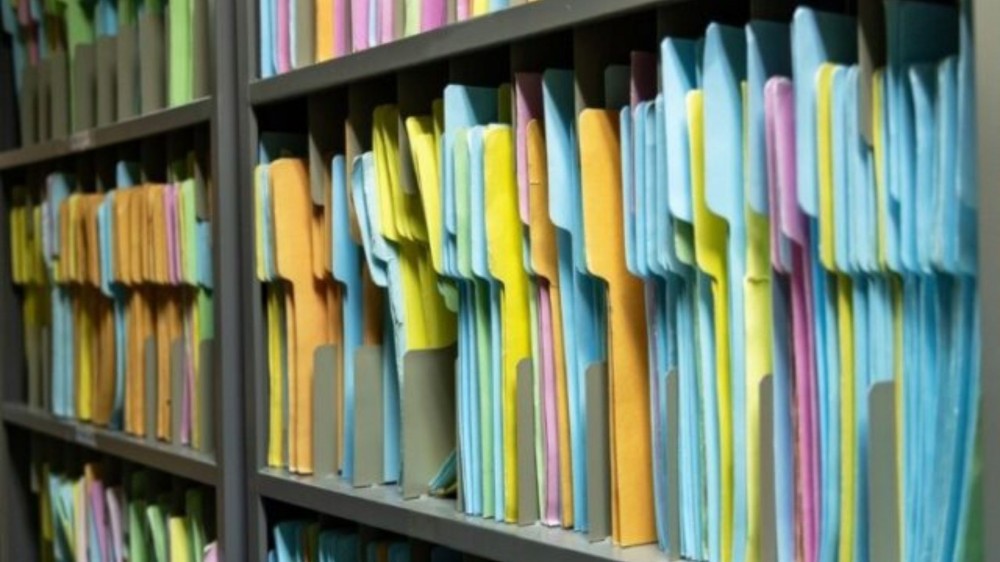
Tax season wraps up, and suddenly you are left staring at stacks of papers that felt important just weeks ago. Receipts, statements, forms, envelopes. It adds up fast. So what now? Do you keep everything just in case, or is it safe to clear the clutter? This is where knowing what to shred makes a real difference. Many businesses and homeowners rely on a paper shredding mobile service to handle this step safely and efficiently. It keeps things simple while protecting sensitive details that should never end up in the wrong hands.
Let’s walk through this together in a practical way. No guesswork. No overthinking. Just clear steps you can follow.
Why Post-Tax Cleanup Matters More Than You Think
Once your taxes are filed, it is tempting to shove everything into a box and deal with it later. Sound familiar? You are not alone. But holding on to unnecessary paperwork can create more risk than benefit.
Old documents often contain personal details like Social Security numbers, account information, and addresses. If these fall into the wrong hands, they can lead to identity theft or fraud. That is not something anyone wants to deal with after already surviving tax season.
At the same time, not everything should be shredded. Some records need to stay for legal or financial reasons. The key is finding the balance between keeping what matters and safely discarding what does not.
What You Should Keep and For How Long
Before you start shredding, it helps to know what deserves a longer shelf life. The IRS generally recommends keeping tax-related documents for at least three to seven years, depending on the situation.
Here are a few examples of what you should hold onto:
- Filed tax returns and supporting documents
- Proof of income such as W-2s or 1099s
- Records of investments or property sales
- Documents related to major deductions or credits
Think of these as your safety net. If questions ever come up, you will be glad you kept them.
A simple rule? If it supports what you filed, keep it for the recommended period. If it does not, it might be time to let it go.
Documents That Are Safe to Shred After Filing
Now comes the satisfying part. Clearing out what you no longer need. But do not just toss these in the trash. Shredding is the safer option.
Here is what you can typically shred once your taxes are complete and you have confirmed everything is accurate:
- Duplicate copies of tax forms
- Old utility bills with personal details
- Expired insurance statements
- Credit card statements beyond retention needs
- Bank statements older than required retention periods
- Pay stubs once matched with annual income forms
One quick check before shredding. Ask yourself, “Do I need this to prove income, expenses, or ownership?” If the answer is no, it is probably safe to shred.
As one compliance expert puts it, “If a document no longer serves a legal or financial purpose, keeping it only increases your risk.”
Common Mistakes People Make
Let’s be honest. Most people either keep too much or shred too quickly. Both can cause problems.
Some common slip-ups include:
- Holding onto every receipt for years without reason
- Throwing away documents without shredding them
- Forgetting to remove sensitive inserts from envelopes
- Shredding documents that are still within the retention period
A little attention here can save you a lot of trouble later. You do not need a complicated system. Just a clear understanding of what stays and what goes.
When Professional Help Makes Sense
There comes a point when shredding at home feels like a never-ending task. Maybe the pile is too big. Maybe your shredder overheats after ten minutes. Or maybe you just want peace of mind knowing it is done right.
That is where paper shredding services in Los Angeles come into play. These services are designed to handle bulk shredding securely and efficiently. Many even offer on-site options, so you can watch the process happen.
It is not just about convenience. It is about confidence. You know your documents are destroyed properly, with no loose ends.
Signs It Is Time to Declutter Your Records
Not sure if you are overdue for a cleanup? Here are a few signs that it might be time:
- Your filing cabinet is overflowing
- You struggle to find current documents
- You have boxes labeled “miscellaneous”
- You feel unsure about what is safe to discard
If any of these sound familiar, it is probably time to take action. A clean system is easier to manage and far less stressful.
Building Better Habits Moving Forward
Here is the good news. You do not have to repeat this process every year in the same chaotic way. A few small changes can make a big difference.
Start by sorting documents as they come in. Create simple categories like “keep,” “review,” and “shred.” Schedule a quick check every few months instead of waiting until tax season.
And yes, give yourself a break. No one gets it perfect every time. The goal is progress, not perfection.
Final Remarks
In the end, managing documents is not just about clearing space. It is about protecting information and staying organized without added stress. This is where Williams Data Management stands out. The company takes a structured and thoughtful approach to secure document handling, offering solutions that fit both businesses and individuals. With decades of experience and a strong focus on compliance, they help clients move from clutter to clarity. Their services are not just about shredding paper. They are about building trust and ensuring that sensitive information is handled with care at every step.