
Strong floors start with smart support. Steel deck plays a big role in how a slab holds weight and stays safe for years. Builders across the Southwest rely on B-type decking for concrete in Phoenix, Arizona, Nevada, California, and New Mexico for solid and steady results. This deck profile locks into concrete and forms a tight bond. It helps crews move fast and keep jobs on track. Plus, it cuts waste and saves labor.
Let’s break it down in simple terms and see why this deck type works so well.
Decoding B-Type Decking for Concrete
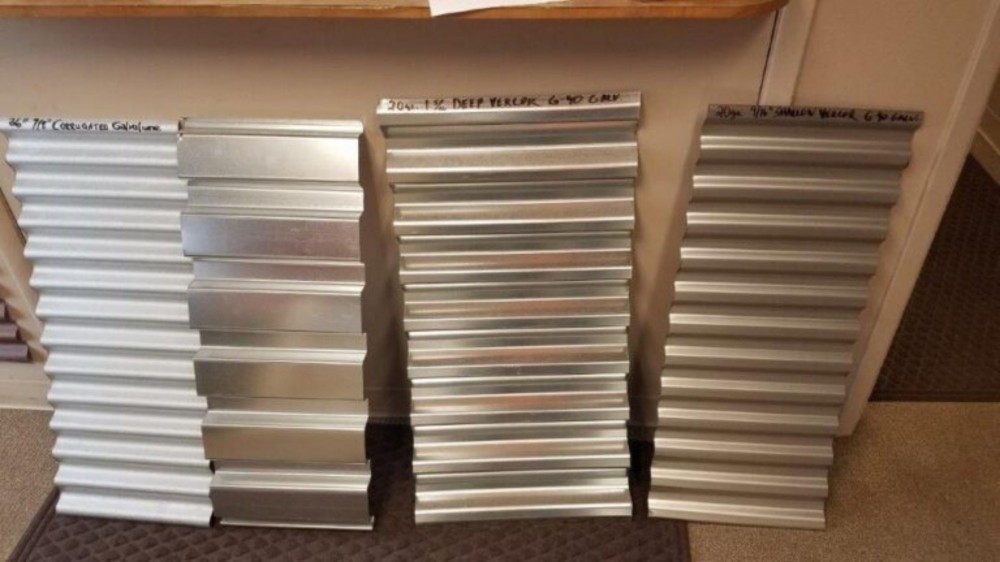
B-type decking is a steel sheet with ribs. These ribs run in straight lines. The deck sits on steel beams. Workers pour concrete on top. The ribs grip the concrete and hold it in place once it cures.
The common profile depth is 1.5 inches. It gives strength without adding bulk. One well-known option is the W-2-36 Form-Lok profile. This design has special embossments. These small patterns press into the concrete and create a strong bond.
Builders choose this deck because it acts as a form during the pour. Later, it works with the slab to carry weight. So it does two jobs at once.
Why Contractors Choose B-Type Decking
1. Strong Bond With Concrete
The rib shape helps the slab and deck act like one unit. The embossments in systems like W-2-36 Form-Lok create grip. This bond boosts load capacity. Floors feel firm and safe under heavy use.
2. Faster Construction
Crews lay sheets across steel beams. They weld or fasten them down. Then they pour concrete. No need for wood forms. No need to strip forms later. Work moves fast. Time is money, and this system saves both.
3. Cost Control
Less labor means lower costs. Steel deck also reduces concrete volume in some designs. Builders often turn to trusted W-3-36 Form-Lok suppliers in Phoenix, Arizona, Nevada, California, and New Mexico to secure quality material at fair prices. Bulk supply keeps big jobs moving without delays.
4. Wide Range of Uses
B-type deck works in offices, schools, hospitals, and parking garages. It handles light to heavy loads with proper design. Engineers adjust slab thickness and reinforcement based on project needs.
Key Design Features
Rib Depth and Spacing
The 1.5-inch depth fits most floor systems. The 36-inch panel width covers space fast. Crews install fewer sheets, which cuts labor time.
Composite Action
Once concrete cures, the deck and slab share the load. This shared strength allows longer spans between beams. Fewer beams mean lower steel cost. Smart design equals smart savings.
Fire and Safety Performance
Concrete over steel deck adds fire resistance. With proper slab thickness, the floor can meet strict building codes. Safety stays front and center.
Regional Demand in the Southwest
Construction growth in the desert states keeps demand high. Commercial builds rise in metro areas and suburbs alike. Because of this, B-type decking for concrete in Phoenix, Arizona, Nevada, California, and New Mexico remains a top search term among contractors.
Reliable W-3-36 Form-Lok suppliers like The Myers Group help meet tight project timelines. Local supply reduces freight costs and shortens lead times. Builders get materials fast and keep crews busy.
How It Compare to Other Deck Types?
B-type decking suits composite floor systems. Some decks serve as a roof deck only. Others have perforations for sound control. For concrete slabs, builders stick with solid composite profiles. This choice prevents material loss during the pour and keeps the slab uniform.
The W-2-36 Form-Lok system stands out because of its proven composite strength. It remains a popular pick across commercial builds in warm climate states.
Final Thought
B-type decking offers strength, speed, and savings in one smart system. Builders trust it because it works. The ribbed steel grips concrete and creates a firm, long-lasting floor. From small offices to large parking structures, this deck profile supports growth across the Southwest. Choose quality materials, work with trusted suppliers like The Myers Group, and build it right the first time.