
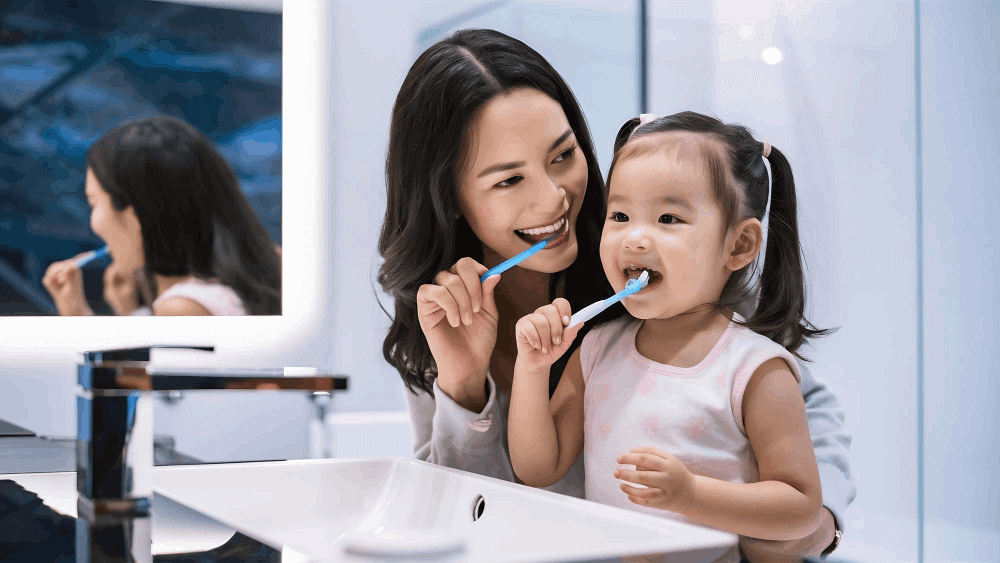
Good dental habits formed in childhood often last a lifetime. When kids learn how to care for their teeth early, they are more likely to grow into adults with healthier smiles, fewer dental problems, and greater confidence. But teaching children proper oral care isn’t always easy. From resisting brushing to sneaking sugary snacks, parents often face daily challenges.
The good news is that with the right approach, dental care doesn’t have to feel like a chore. By making it simple, consistent, and age-appropriate, you can help your child develop habits that truly last. This guide walks you through practical, proven ways to build strong dental routines for kids—without stress or struggle.
Why Early Dental Habits Matter So Much
Children’s teeth play a critical role in speech development, chewing, and guiding permanent teeth into the correct position. Poor oral care in early years can lead to cavities, gum problems, pain, and even issues with adult teeth later on.
Teaching good habits early helps:
- Prevent tooth decay and gum disease
- Reduce dental anxiety in the future
- Build responsibility and self-care skills
- Save time and money on future treatments
The earlier kids understand that dental care is part of daily life, the more natural it becomes.
Start Dental Care Earlier Than You Think
Many parents wait too long to focus on oral hygiene, assuming baby teeth don’t matter much. In reality, dental care should begin even before the first tooth appears.
For babies:
- Gently wipe gums with a clean, damp cloth
- Avoid putting babies to bed with milk bottles
- Schedule the first dental visit by age one
For toddlers:
- Introduce brushing as soon as the first tooth erupts
- Use a soft, child-size toothbrush
- Supervise brushing daily
Early exposure creates familiarity, making dental care feel normal rather than intimidating.
Make Brushing and Flossing Fun, Not Forced
One of the biggest mistakes parents make is turning dental care into a battle. Kids respond much better when brushing feels enjoyable instead of mandatory.
Try these ideas:
- Let your child choose their toothbrush and toothpaste
- Use a two-minute song or timer for brushing
- Brush together as a family
- Turn brushing into a game or challenge
Positive reinforcement works far better than pressure. Praise consistency, not perfection.
Teach Proper Brushing Technique Slowly
Kids don’t need to master perfect brushing overnight. What matters is building correct habits gradually.
Key points to teach:
- Brush twice a day
- Use small circular motions
- Brush all sides of the teeth
- Don’t rush—two minutes matters
Parents should assist or supervise brushing until around age seven or eight, when children develop enough coordination to brush effectively on their own.
A visit to a trusted mount gambier dental clinic can also help reinforce these techniques, as children often listen more attentively to dental professionals.
Don’t Forget About Flossing
Flossing is often overlooked in children’s dental routines, yet it’s essential for removing food and plaque between teeth where brushes can’t reach.
How to introduce flossing:
- Start once teeth touch each other
- Use child-friendly floss picks
- Floss for them initially
- Make it part of the nightly routine
Keeping flossing simple helps prevent cavities between teeth, which are common in kids.
Build Healthy Eating Habits for Strong Teeth
Dental health isn’t just about brushing—it’s also about diet. Frequent sugar intake increases the risk of cavities, especially when combined with poor oral hygiene.
Encourage tooth-friendly foods like:
- Fresh fruits and vegetables
- Cheese and yoghurt
- Nuts and whole grains
- Water instead of sugary drinks
Limit sugary snacks, sticky candies, and sweetened beverages, especially between meals. Teaching kids why certain foods are better helps them make smarter choices independently.
Lead by Example Every Day
Children learn more from what you do than what you say. If they see parents skipping brushing or avoiding dental visits, they may do the same.
Set a strong example by:
- Brushing and flossing together
- Speaking positively about dental visits
- Avoiding negative language around dentists
- Treating oral care as non-negotiable
When dental care is part of the family routine, kids are far more likely to follow along naturally.
Make Dental Visits a Normal Experience
Regular dental checkups help prevent issues and teach kids that the dentist is there to help—not to cause fear.
Tips to reduce anxiety:
- Schedule routine visits, not just problem-based ones
- Avoid using scary words like “pain” or “needle”
- Read children’s books about dental visits
- Reward positive behaviour after appointments
A caring dentist mount gambier understands how to communicate with children and make visits comfortable, which can shape their attitude toward dental care for life.
Create a Consistent Daily Routine
Consistency is the foundation of habit-building. Kids thrive on structure, and dental care should be part of their daily schedule.
A simple routine may include:
- Morning brushing after breakfast
- Night-time brushing and flossing before bed
- Limiting snacks after brushing at night
Keeping the routine the same each day reduces resistance and builds automatic habits.
Address Dental Fear Early
Some children may feel nervous due to stories they hear or unfamiliar sounds and tools. Addressing fear early prevents long-term dental anxiety.
What helps:
- Honest, age-appropriate explanations
- Encouragement without pressure
- Calm reassurance
- Choosing child-friendly dental clinics
Avoid passing on your own fears—kids pick up on emotional cues very quickly.
Adjust Dental Habits as Kids Grow
As children grow, their dental needs change. What works for a toddler won’t necessarily work for a teenager.
For older kids and teens:
- Emphasise independence with accountability
- Discuss braces, sports guards, and oral hygiene
- Address habits like thumb sucking or nail biting
- Educate about the effects of sugar and energy drinks
Reinforcing the why behind dental care helps older children stay motivated.
Use Rewards Wisely
Small rewards can encourage consistency, but they should support the habit—not replace it.
Good reward ideas:
- Sticker charts
- Extra story time
- Choosing a family activity
Avoid sugary rewards, as they send mixed messages about oral health.
Common Mistakes to Avoid
Even well-intentioned parents can make mistakes. Being aware of them helps you stay on track.
Avoid:
- Letting kids brush unsupervised too early
- Skipping flossing entirely
- Using dental visits as a threat
- Being inconsistent with routines
Correcting these early can prevent bigger problems later.
Final Thoughts: Building Habits That Truly Last
Teaching kids good dental habits isn’t about perfection—it’s about consistency, patience, and positivity. By starting early, making dental care enjoyable, and reinforcing routines daily, you help your child develop skills that protect their smile for life.
Healthy teeth support overall health, confidence, and well-being. When children understand that dental care is simply part of caring for themselves, those habits naturally follow them into adulthood.
With the right guidance at home and regular professional support, you can set your child up for a lifetime of strong, healthy smiles.