
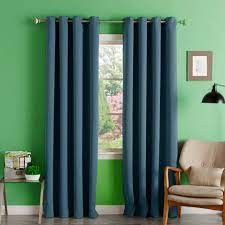
Choosing the right window covering is more important than most people realise. The decision between blackout curtains and window blinds can affect lighting, comfort, privacy, and even the overall feel of a room. While both options help control sunlight and visibility, they serve different purposes depending on how you use your space.
Many homeowners choose between blackout curtains and window blinds based purely on appearance. However, practical needs like sleep quality, maintenance, and temperature control play a bigger role in long-term satisfaction. Understanding their differences can help you make a smarter home styling and comfort decision.
What Are Blackout Curtains and Why Do People Use Them?
Blackout curtains are specially designed fabric curtains made to block outside light almost completely. These curtains are created using tightly woven or layered materials that reduce sunlight penetration significantly.
Benefits of Blackout Curtains
- Block harsh sunlight and external lighting
- Improve sleep quality by creating darker rooms
- Provide better privacy, especially during nighttime
- Help maintain indoor temperature by reducing heat exchange
- Add softness and texture to interiors
Homes located in bright urban areas or facing direct sunlight often benefit from installing blackout curtains. Bedrooms, nurseries, and entertainment rooms are spaces where these curtains perform exceptionally well.
Another important reason people choose blackout curtains is their ability to reduce glare on screens. Watching television or working on laptops becomes more comfortable in rooms fitted with proper light-blocking curtains.
What Are Window Blinds and Where Do They Work Best?
Window blinds are structured window coverings made using slats or panels that can be adjusted to control light entry. Unlike blackout curtains, window blinds offer flexible light control rather than complete darkness.
Advantages of Window Blinds
- Adjustable light filtering throughout the day
- Compact and structured appearance
- Easy cleaning and maintenance
- Suitable for moisture-prone areas
- Perfect for modern and minimal interior styling
Window blinds are commonly used in kitchens, bathrooms, home offices, and balconies. Their slim design allows them to fit neatly within window frames, making rooms appear organised and uncluttered.
Comparing Light Control Between Blackout Curtains and Window Blinds
Light management is usually the biggest deciding factor when choosing between blackout curtains and window blinds.
|
Feature |
Blackout Curtains |
Window Blinds |
|
Light Blocking |
Almost complete darkness |
Adjustable light control |
|
Glare Reduction |
Excellent |
Moderate to Good |
|
Daytime Brightness |
Limited |
Easily adjustable |
|
Night Privacy |
Very strong |
Moderate |
If you require complete darkness for sleep or relaxation, blackout curtains perform better. If you prefer flexible lighting where sunlight can be adjusted throughout the day, window blinds become a practical solution.
Privacy Differences That Influence Home Comfort
Privacy levels vary greatly between blackout curtains and window blinds. The dense fabric used in blackout curtains ensures minimal outside visibility even when indoor lights are turned on at night.
Window blinds, although effective during daytime, may allow slight visibility through slat gaps depending on lighting conditions. For apartments facing busy streets, homeowners often prefer installing blackout curtains for better nighttime privacy.
Temperature and Energy Efficiency Comparison
Many people do not realise how much window coverings affect room temperature. Both blackout curtains and window blinds contribute to indoor climate control, but in different ways.
How Blackout Curtains Help with Temperature
- Reduce heat entering rooms during summer
- Prevent warm air from escaping during winter
- Lower dependence on air conditioning
How Window Blinds Support Comfort
- Allow controlled airflow through slat adjustments
- Reduce direct sunlight exposure
- Maintain natural brightness while reducing heat
Homes exposed to intense afternoon sunlight often experience better cooling results with blackout curtains compared to window blinds.
Styling and Interior Appearance
Both blackout curtains and window blinds influence the visual character of interiors.
Blackout curtains create a layered and cosy look. Their flowing fabric enhances warmth and softness, making them suitable for:
- Bedrooms
- Formal living rooms
- Reading corners
- Guest rooms
Window blinds create a clean and structured appearance that complements:
- Modern apartments
- Office spaces
- Compact kitchens
- Balcony seating areas
Many interior decorators recommend combining blackout curtains with window blinds to achieve layered lighting and balanced styling. A neighbour recently mentioned experimenting with this combination after exploring home styling inspirations from Urban Space collections, which helped blend comfort with coordinated décor elements.
Choosing Between Blackout Curtains and Window Blinds Based on Room Type
Different rooms demand different lighting and privacy solutions. Understanding usage patterns helps homeowners choose between blackout curtains and window blinds more effectively.
Bedrooms
Best Choice: Blackout Curtains
Reason: Better sleep comfort and maximum privacy
Living Rooms
Best Choice: Combination of Blackout Curtains and Window Blinds
Reason: Daytime brightness with optional evening privacy
Kitchens
Best Choice: Window Blinds
Reason: Easy cleaning and moisture resistance
Bathrooms
Best Choice: Window Blinds
Reason: Compact design and durability in humid environments
Workspaces
Best Choice: Window Blinds
Reason: Adjustable glare control without darkening the room completely
Maintenance and Durability Considerations
Maintenance requirements also influence decisions between blackout curtains and window blinds.
Blackout curtains require occasional washing or dry cleaning depending on fabric type. Dust accumulation is slightly higher due to fabric texture.
Window blinds are easier to maintain. Most materials allow simple wiping or dusting, making them suitable for busy households or frequently used areas.
Budget and Long-Term Value
Both blackout curtains and window blinds are available in various price ranges depending on material quality, size, and customisation.
|
Factor |
Blackout Curtains |
Window Blinds |
|
Initial Cost |
Moderate to High |
Moderate |
|
Maintenance Cost |
Slightly Higher |
Lower |
|
Durability |
High with Proper Care |
High |
|
Energy Savings |
Better Insulation |
Moderate Insulation |
Investing in good-quality blackout curtains often improves long-term comfort, while window blinds offer convenience and durability for high-use areas.
When Combining Blackout Curtains and Window Blinds Works Best
Modern homeowners increasingly prefer layered window solutions. Combining blackout curtains with window blinds offers several advantages:
- Flexible light control throughout the day
- Enhanced insulation and privacy
- Improved interior depth and styling
- Better temperature regulation
This layered styling approach works especially well in urban homes where sunlight exposure changes across seasons.
Final Thoughts
Choosing between blackout curtains and window blinds depends on lifestyle needs rather than visual preference alone. Blackout curtains work best for complete darkness, insulation, and cosy interiors. Window blinds are ideal for adjustable lighting, compact styling, and easy maintenance.
Many homes benefit from using both blackout curtains and window blinds in different rooms or even layered together. Observing sunlight direction, privacy needs, and daily routines usually makes selection easier. The right window covering not only improves comfort but also enhances the overall living experience by balancing functionality and style.