
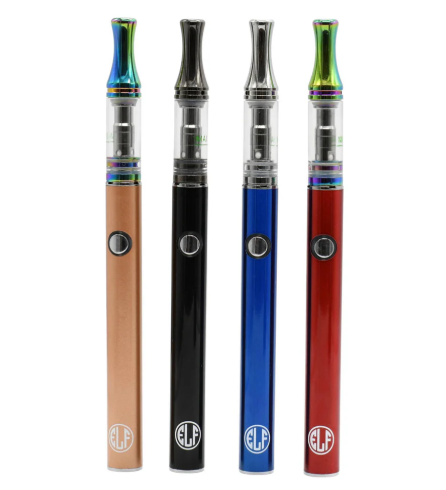
As cannabis consumption continues to evolve, users now have more options than ever for how they consume THC. From traditional smoking to edibles, tinctures, and modern vape pens, each method delivers THC to the body in different ways. Among these, THC vape pens have gained widespread attention due to their convenience and fast onset. But how does THC vape pen use actually compare with other consumption forms in terms of effects, efficiency, health considerations, and user experience?
This article takes a research-based, side-by-side look at THC vape pens versus other common methods to help readers understand the real differences without hype or marketing bias.
How THC Enters the Body: Delivery Methods Matter
The main difference between THC consumption forms lies in how THC enters the bloodstream. This directly affects onset time, intensity, and duration of effects.
THC vape pens and smoking both rely on inhalation. When vapor or smoke is inhaled, THC is absorbed through the lungs and enters the bloodstream almost immediately. In contrast, edibles and capsules must pass through the digestive system, where THC is metabolized by the liver into 11-hydroxy-THC, a compound known for producing stronger and longer-lasting effects.
Sublingual methods, such as tinctures, fall somewhere in between, offering faster absorption than edibles but slower onset than inhalation.
THC Vape Pens vs Smoking Cannabis
Smoking cannabis remains one of the most traditional methods of THC consumption, but it differs significantly from vape pen use.
When cannabis is smoked, combustion occurs at high temperatures, producing smoke that contains tar, carbon monoxide, and other byproducts. THC vape pens, by contrast, heat cannabis extracts at lower temperatures, producing an aerosol rather than smoke. This distinction is often cited in research examining respiratory exposure.
From an efficiency standpoint, vaping tends to deliver THC more consistently, especially when using standardized cartridges. Smoking flower can result in variable THC intake depending on strain potency, rolling technique, and burn rate. However, smoking provides a broader range of cannabinoids and compounds naturally present in the plant, which some users value.
In terms of discretion, vape pens are generally more portable and produce less lingering odor than smoked cannabis, contributing to their popularity.
THC Vape Pens vs Edibles
Edibles represent a completely different consumption experience. While THC vape pens typically produce effects within minutes, edibles can take 30 minutes to two hours to kick in. This delayed onset often leads to accidental overconsumption, especially among inexperienced users.
The effects of edibles also last significantly longer, sometimes up to eight hours or more. Vape pen effects, on the other hand, tend to peak faster and fade sooner. This makes vape pens easier to control for users who want shorter, more predictable sessions.
From a dosing perspective, vape pens allow users to titrate THC in small increments through individual inhalations. Edibles provide fixed doses, which can be harder to adjust once consumed.
THC Vape Pens vs Tinctures and Oils
Tinctures and oils are usually taken sublingually, meaning they are absorbed through the tissue under the tongue. This method avoids combustion and inhalation altogether, which appeals to users concerned about lung exposure.
Compared to vape pens, tinctures have a slower onset but offer more precise dosing. Vape pens prioritize speed and convenience, while tinctures emphasize control and longer-lasting effects.
Research suggests that sublingual absorption results in more consistent blood THC levels than edibles, but still lacks the rapid onset associated with inhalation methods.
THC Vape Pens vs Dabbing Concentrates
Dabbing involves vaporizing highly concentrated cannabis extracts using specialized equipment and very high temperatures. While THC vape pens also use concentrates, they are designed to operate at lower, more controlled temperatures.
Dabbing delivers extremely high THC doses in a single inhalation, which can be overwhelming and increase the risk of adverse effects such as anxiety or dizziness. Vape pens, by comparison, offer a more gradual experience, allowing users to manage intake more carefully.
From a safety perspective, the controlled heating in vape pens reduces some risks associated with overheating concentrates, though both methods rely heavily on product purity and quality.
Health and Risk Considerations Across Methods
No THC consumption method is entirely risk-free, but the type of risk varies.
Smoking introduces combustion-related toxins.
Vape pens reduce combustion exposure but raise concerns related to additives, device quality, and aerosol inhalation.
Edibles eliminate inhalation risks but increase the likelihood of delayed overconsumption.
Tinctures avoid both smoke and vapor but may contain alcohol bases that irritate sensitive users.
Dabbing exposes users to very high THC concentrations, which may increase tolerance and dependency risk.
Research consistently shows that product quality and moderation are more important than the method alone.
Consistency, Convenience, and Lifestyle Fit
THC vape pens are often chosen for their convenience. They are compact, easy to use, and require no preparation. This makes them appealing to users who prioritize portability and fast effects.
Edibles fit better into food-based routines but require planning due to delayed onset. Smoking is more ritualistic and social for some users, while tinctures appeal to those seeking discretion and precision.
There is no universally “best” method—only methods that align better with individual preferences and circumstances.
Potency and User Control
Vape pens typically contain high-THC extracts, but user control is relatively strong because each inhalation can be spaced out. This microdosing capability is often cited as an advantage over edibles and dabs.
That said, frequent use of high-potency vape cartridges may increase tolerance over time. Responsible use and awareness of THC concentration remain critical regardless of consumption form.
Choosing the Right Method Based on Goals
Someone seeking fast relief may prefer inhalation methods like vape pens or smoking. Those looking for extended effects may choose edibles. Users focused on minimizing lung exposure may gravitate toward tinctures.
Educational platforms and resources such as Weed Pens often emphasize that understanding these differences is essential for making informed choices rather than following trends.
Final Thoughts
THC vape pen use occupies a middle ground between traditional smoking and newer non-inhalation methods. Compared with other consumption forms, vape pens offer fast onset, portability, and controlled dosing, while still carrying risks associated with inhalation and concentrate potency.
Current research suggests that the safest approach is not tied to one method alone, but to informed use, product transparency, and moderation. Understanding how THC vape pens compare with other consumption forms empowers users to choose what best fits their needs, lifestyle, and risk tolerance.