
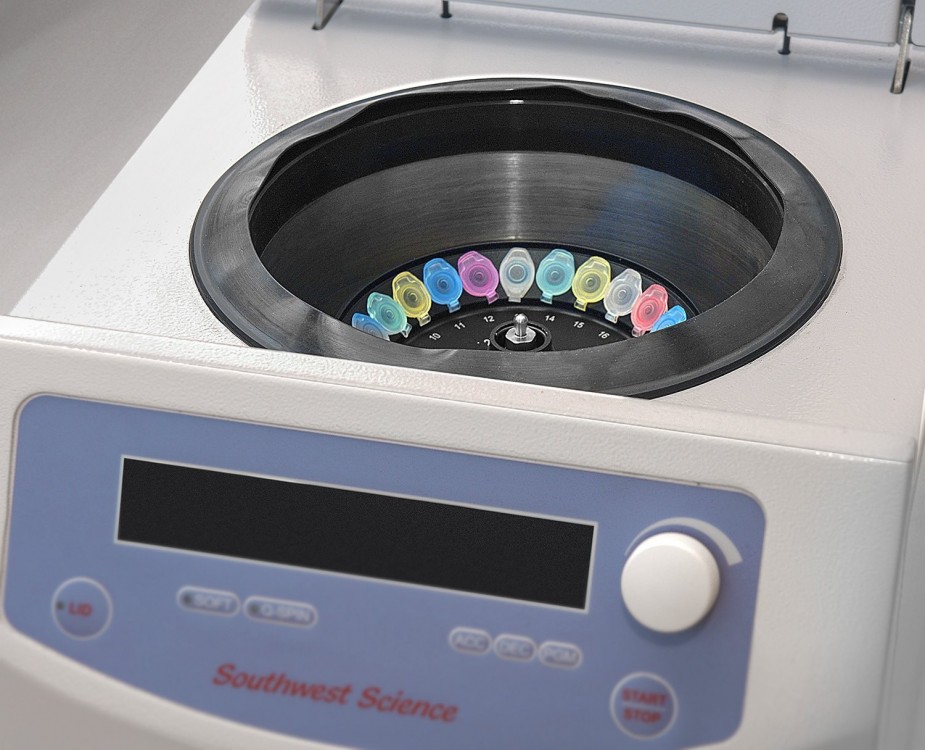
Working with sensitive biological samples like DNA, RNA, and proteins requires precision and care. One of the most important tools in any lab is the microcentrifuge, especially HighSpeed models. These instruments play a critical role in ensuring samples remain intact, uncontaminated, and ready for analysis. Understanding how a HighSpeed microcentrifuge works can help scientists and researchers protect their valuable samples and achieve reliable results.
What Is a HighSpeed Microcentrifuge?
A HighSpeed microcentrifuge is a laboratory instrument designed to spin small tubes containing biological samples at very high speeds. This rapid spinning creates a strong centrifugal force, which separates components in the sample based on their size and density.
Why Speed Matters for Sample Protection
The speed of a microcentrifuge directly affects how effectively samples are separated. Higher speeds allow for quicker and more complete separation, which minimizes the time biological material is exposed to potential damage.
- Rapid separation reduces degradation: DNA, RNA, and proteins are sensitive to enzymes and temperature changes. HighSpeed spinning quickly isolates these molecules, reducing the risk of breakdown.
- Minimized sample loss: HighSpeed centrifugation ensures that even very small amounts of material are efficiently separated, protecting precious samples.
- Consistent results: Reproducible separation helps maintain sample integrity, which is critical for experiments that require precision.
The Role of Temperature Control
Many laboratories use HighSpeed refrigerated microcentrifuge to protect temperature-sensitive samples. These models maintain a cold environment during centrifugation, preventing heat-related damage.
Benefits of refrigerated microcentrifuges:
- Protects RNA and proteins from degradation caused by heat
- Maintains enzyme activity for downstream applications
- Extends sample stability during long spin cycles
Temperature control becomes especially important when working with sensitive or rare samples. Even short exposure to elevated temperatures can lead to loss of sample quality.
Sample Safety Through Proper Rotor Use
The rotor, which holds the sample tubes, is a key component of microcentrifuges. Proper use and maintenance of the rotor can prevent accidents that compromise sample integrity.
Tips for safe rotor use:
- Always balance tubes before spinning to avoid vibration and mechanical stress
- Use compatible tubes for the intended speed and volume
- Regularly inspect rotors for cracks or wear
Balanced and correctly loaded rotors ensure samples remain intact and reduce the risk of cross-contamination or spillage.
Reducing Contamination Risks
HighSpeed microcentrifuges are designed to minimize contamination of samples. Closed tube systems and careful handling prevent exposure to environmental factors.
Key contamination prevention practices:
- Always close caps tightly on microtubes
- Clean the rotor and centrifuge chamber regularly
- Avoid overfilling tubes to prevent leaks
By reducing contamination risks, HighSpeed microcentrifuges help maintain sample purity, which is essential for accurate downstream analysis.
Optimizing Workflow in the Lab
HighSpeed microcentrifuges are not just about protecting samples—they also improve laboratory efficiency. Rapid separation means researchers spend less time waiting, increasing throughput without compromising quality.
Benefits for lab workflow:
- Quick processing of multiple samples at once
- Reliable separation reduces repeat experiments
- Supports complex workflows in molecular biology, biochemistry, and genetics
Integrating HighSpeed and refrigerated microcentrifuges into daily lab routines ensures both the safety and efficiency of sensitive biological work.
Bottom Line:
HighSpeed microcentrifuges, especially refrigerated models, are essential tools for protecting DNA, RNA, and protein samples. By combining speed, temperature control, proper rotor use, and contamination prevention, these instruments safeguard valuable biological material and support reliable experimental outcomes. For laboratories aiming to maintain the highest standards of sample integrity, investing in a HighSpeed microcentrifuge is not optional—it is essential.