
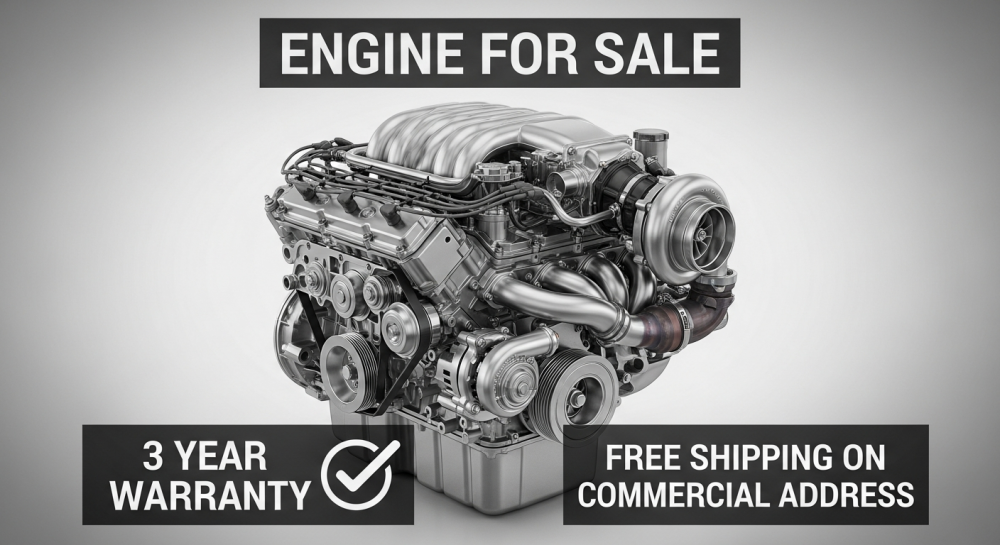
Buying a replacement engine doesn’t have to be complicated or intimidating. Whether you’re a first-time buyer facing an unexpected breakdown or an experienced vehicle owner looking to extend the life of a car, understanding the essentials can help you make a confident and cost-effective decision. This guide breaks down the process into simple, practical steps so you know exactly what to look for, what to avoid, and how to get the best value when evaluating an engine for sale.
Why Buying the Right Engine Matters
An engine is the heart of your vehicle. Choosing the wrong one can lead to poor performance, frequent repairs, or compatibility issues that cost more than the engine itself. Choosing the right one, on the other hand, can restore reliability, improve drivability, and save thousands compared to buying a new vehicle.
Both new and experienced buyers benefit from a structured approach—one that focuses on condition, compatibility, seller credibility, and long-term value rather than just price.
Step 1: Understand Your Needs Clearly
Before you even start browsing listings, define your situation.
Ask yourself:
-
Is this a daily driver or a secondary vehicle?
-
How long do you plan to keep the car?
-
Is performance or affordability the priority?
-
Are you replacing a failed engine or upgrading?
First-time buyers often rush this step, while experienced buyers sometimes rely too much on past assumptions. Vehicles change by year, trim, and engine code, so clarity upfront prevents mistakes later.
Step 2: Know the Types of Engines Available
Understanding the main categories helps you choose wisely:
Used Engines
These are removed from donor vehicles and tested for functionality. They are popular because they’re affordable and widely available.
Best for:
-
Budget-conscious buyers
-
Vehicles with moderate market value
-
Short- to mid-term ownership plans
Remanufactured Engines
These are completely disassembled, rebuilt with new components, and tested to factory specifications.
Best for:
-
Long-term ownership
-
High-value vehicles
-
Buyers seeking near-new reliability
Knowing which type fits your needs simplifies your search and prevents overpaying.
Step 3: Compatibility Is Non-Negotiable
One of the most common buying mistakes is assuming similar engines are interchangeable. Even small differences can cause major problems.
Always verify:
-
Engine code, not just engine size
-
Model year compatibility
-
Emissions standards compliance
-
Sensor, wiring, and ECU alignment
An engine for sale that doesn’t match your vehicle precisely can lead to costly modifications or installation failure.
Step 4: Mileage and Maintenance History Matter
Mileage gives insight into wear, but it should never be viewed alone. A well-maintained higher-mileage engine can outperform a neglected low-mileage one.
Look for:
-
Verified mileage documentation
-
Evidence of regular oil changes
-
No history of overheating or major internal damage
Experienced buyers often focus heavily on mileage, while first-time buyers may overlook service history. The best approach is to consider both together.
Step 5: Ask About Testing and Inspection
Reputable sellers don’t just remove engines and resell them—they test them. This is where quality truly shows.
Key inspections include:
-
Compression testing
-
Leak-down testing
-
Oil pressure checks
-
Visual inspection of internal components
If a seller can’t explain their testing process clearly, that’s a red flag—no matter how attractive the price looks.
Step 6: Don’t Ignore the Warranty
A warranty protects you from hidden defects and reflects the seller’s confidence in their product.
Pay attention to:
-
Length of coverage
-
What parts are included
-
Installation requirements
-
Claim procedures
First-time buyers sometimes see warranties as optional, while experienced buyers know they’re essential. Even a short warranty can save you from major losses.
Step 7: Evaluate the Seller, Not Just the Engine
Who you buy from matters as much as what you buy.
A trustworthy seller should offer:
-
Clear contact details
-
Transparent return and warranty policies
-
Verified customer reviews
-
Knowledgeable support staff
Experienced buyers often rely on known suppliers, while first-time buyers should spend extra time researching seller credibility before committing.
Step 8: Price vs. Real Value
The cheapest option is rarely the best investment. A low-priced engine that fails early or requires repeated repairs ends up costing more.
When comparing prices, consider:
-
Testing and inspection standards
-
Warranty coverage
-
Shipping and handling quality
-
Seller reputation
A slightly higher upfront cost often delivers far better long-term value.
Step 9: Shipping and Handling Are Part of the Deal
Engines are heavy and sensitive components. Poor packaging can damage seals, sensors, or mounting points before the engine even reaches you.
Reliable sellers ensure:
-
Secure crating
-
Proper fluid drainage
-
Insured freight shipping
This detail is often overlooked but plays a major role in receiving an engine ready for installation.
Step 10: Installation Planning Is Essential
Even the best engine can fail if installed incorrectly. Make sure you plan installation before buying.
Important considerations:
-
Professional vs. DIY installation
-
Required new components (gaskets, belts, fluids)
-
Break-in procedures
-
Warranty installation requirements
Experienced buyers know that cutting corners during installation can void warranties and shorten engine life.
Common Mistakes to Avoid
Both first-time and experienced buyers can fall into these traps:
-
Buying based solely on price
-
Skipping compatibility checks
-
Ignoring warranty terms
-
Choosing sellers without reviews
-
Assuming “low mileage” means “problem-free”
Avoiding these mistakes is often the difference between a smooth experience and a costly one.
Benefits Beyond Cost Savings
Choosing a quality replacement engine isn’t just about saving money. It also:
-
Extends vehicle lifespan
-
Reduces environmental waste
-
Avoids the depreciation of buying a new car
-
Keeps proven vehicles on the road longer
This makes purchasing an engine for sale a practical and sustainable decision when done correctly.
Final Thoughts
Buying an engine doesn’t have to be overwhelming. By focusing on compatibility, condition, testing, warranty, and seller credibility, both first-time and experienced buyers can make confident decisions. The key is to simplify the process: ask the right questions, verify the details, and think long-term instead of chasing the lowest price.
When approached with the right knowledge, an engine for sale becomes not just a replacement—but a smart investment in reliability, performance, and peace of mind.
Read Also: Common Myths About Used Engines and the Truth Behind Them