
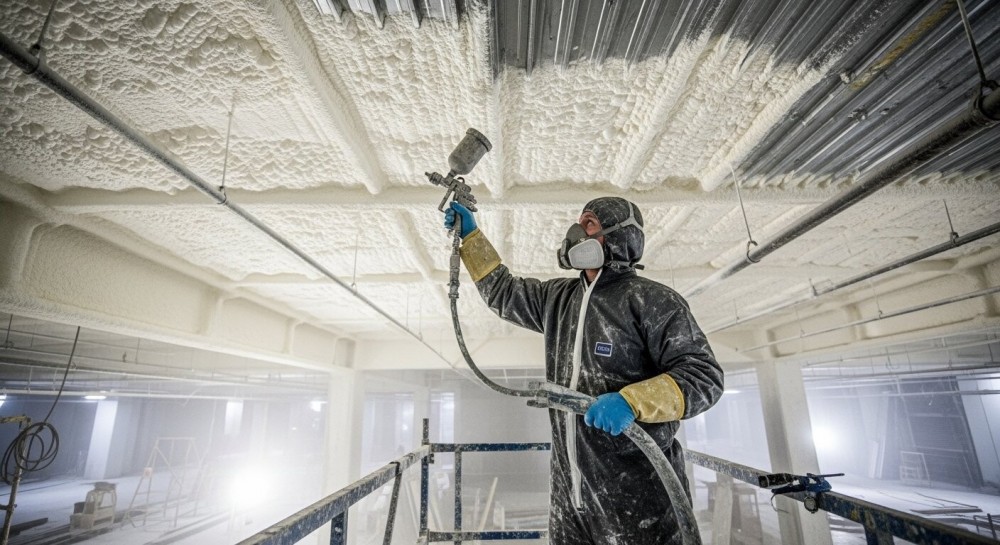
When thermal barrier coatings fail to perform as intended, it can lead to energy inefficiencies, structural damage, and safety hazards. Common signs include visible cracking, blistering, peeling, uneven surface temperature, and increased energy costs. Early detection ensures timely maintenance or replacement, preventing further deterioration.
Thermal Barrier Coatings experts can evaluate the coating’s performance and recommend corrective measures, whether through repair, reapplication, or enhanced insulation strategies. In industrial and commercial settings, this prevents costly downtime and protects sensitive equipment.
How to Identify Underperformance in Thermal Barrier Coatings
Proper evaluation begins with observing the coating’s physical condition and performance metrics.
Visual Inspection
- Cracks, flaking, or peeling on coated surfaces
- Discoloration or bubbling that indicates heat stress
- Uneven or rough texture affecting heat resistance
Performance Monitoring
Measuring surface temperatures and energy consumption provides objective data. Underperforming coatings often show higher heat transfer and reduced insulation efficiency.
Regular monitoring can catch early signs before structural damage occurs, ensuring safety and energy efficiency.
Bonus Tips
- Use infrared thermography for detailed heat mapping
- Inspect areas exposed to high thermal cycling first
Common Causes of Thermal Barrier Coating Issues
Understanding the root causes helps in addressing coating failure effectively.
Improper Application
- Inconsistent thickness or uneven spray
- Surface contamination before coating
- Inadequate curing time
Environmental Stress
- Exposure to extreme heat, moisture, or chemicals
- Thermal cycling causing expansion and contraction
- Mechanical impact or abrasion
Material Degradation
- Natural breakdown of coating polymers over time
- Incompatibility with substrate material
- UV exposure leading to surface erosion
Comparison Table of Signs and Causes
|
Sign of Underperformance |
Possible Cause |
Recommended Action |
|---|---|---|
|
Cracking or peeling |
Thermal cycling, poor adhesion |
Surface prep, reapplication |
|
Blistering |
Moisture trapped under coating |
Moisture control, coating replacement |
|
Uneven surface temperature |
Insufficient thickness |
Reapply coating, monitor thickness |
|
Discoloration |
Heat stress or chemical exposure |
Inspect for substrate damage, replace coating |
|
Increased energy costs |
Reduced insulation efficiency |
Evaluate coating performance, consider upgrades |
Regional and Climate Considerations
In regions with extreme temperatures or high humidity, such as northern climates, coatings may deteriorate faster. Selecting products rated for local conditions and maintaining proper ventilation are crucial for long-term performance.
Bonus Tips
- Schedule seasonal inspections to detect early deterioration
- Pair coatings with Thermal Barrier Coatings services that specialize in harsh climate applications
Things to Consider Before Making a Decision
Before replacing or repairing coatings, evaluate:
- Substrate Type: Different materials require compatible coatings for adhesion and thermal resistance
- Operational Conditions: High-temperature or corrosive environments may require specialized coatings
- Maintenance Schedule: Determine inspection intervals to maximize coating life
- Cost vs. Longevity: Factor in upfront costs, energy savings, and downtime reduction
Questions People Ask About Thermal Barrier Coatings
How long do thermal barrier coatings last?
Coatings can last 5–15 years depending on material quality, application, and operational conditions. Regular inspections extend lifespan.
Can damaged coatings affect energy efficiency?
Yes, worn or uneven coatings increase heat transfer, raising energy consumption and operational costs.
What is the best method to detect coating failure?
Visual inspection combined with infrared thermography or surface temperature monitoring provides accurate detection of underperformance.
Can coatings be repaired, or must they be replaced?
Minor cracks or blisters can often be repaired. Extensive degradation typically requires full reapplication.
Are there coatings suited for extreme climates?
Yes, high-performance ceramic or polymer-based Thermal Barrier Coatings experts recommend products tested for high heat, UV, and moisture exposure.
Conclusion
Recognizing signs of underperformance in thermal barrier coatings is essential for maintaining energy efficiency, protecting equipment, and ensuring safety. Regular inspections, monitoring, and timely intervention prevent extensive damage and operational disruption. Evaluating environmental conditions, substrate compatibility, and coating quality ensures optimal performance.
Next Steps for Coating Maintenance
Facility managers and industrial operators can contact Wegner Insulation for professional thermal barrier coatings services. They provide inspections, performance evaluations, and expert application. Reach out via email at anthony@wegnerinsulation.com or call (406) 607-8476 to discuss solutions and service options.
Author: Richard Hall is a construction professional with experience spanning from his early years. Specializing in spray foam insulation, he has completed extensive training and earned certifications, which led him to start his own company in 2022.
Reviewer: Alexander Davis, with 11 years of experience in spray foam application, provided a review that helped better address the concerns and goals of companies working on both residential and commercial projects.