
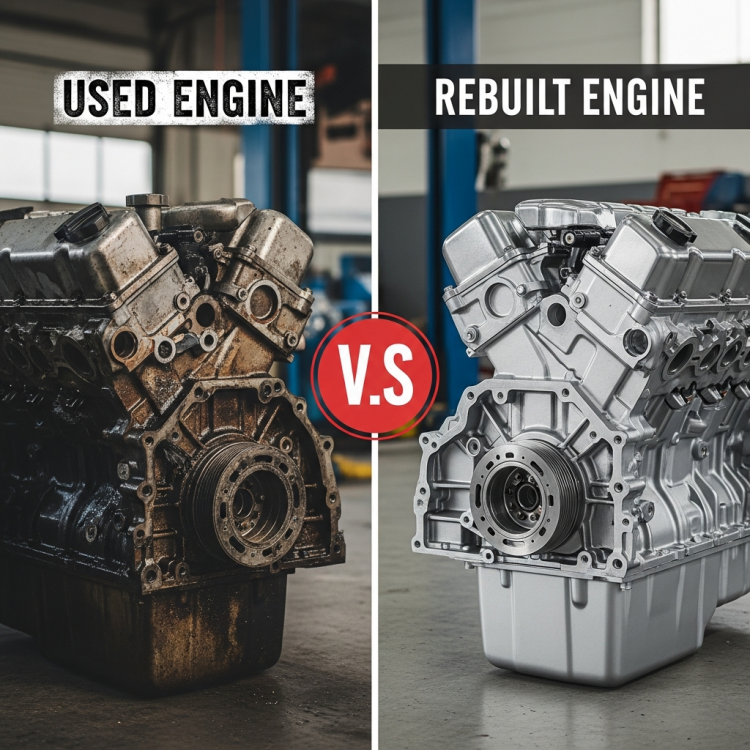
Is It Cheaper to Buy a Used Engine or Rebuild It?
When an engine fails, vehicle owners are often faced with a critical financial decision: should they rebuild the existing motor or replace it entirely? This question does not have a one-size-fits-all answer, as costs, vehicle condition, and long-term goals all play important roles. However, understanding the true cost differences can help determine whether rebuilding or choosing a used engine for sale is the more economical and practical option.
Understanding Engine Rebuilding Costs
Rebuilding an engine involves disassembling it completely, inspecting all internal components, machining parts where necessary, and replacing worn or damaged items such as pistons, bearings, seals, and gaskets. While this process can restore an engine close to factory condition, it is labor-intensive and highly dependent on the skill of the technician.
Labor is the largest cost factor in engine rebuilding. Skilled engine machinists and mechanics charge premium rates due to the technical complexity involved. In addition to labor, machine shop services such as cylinder boring, crankshaft grinding, and head resurfacing can significantly increase total expenses. Parts costs can also escalate quickly, especially if major components like the crankshaft or cylinder head require replacement.
Another hidden cost of rebuilding is downtime. Rebuilds often take weeks to complete, especially if parts are backordered or machining schedules are delayed. For daily drivers or commercial vehicles, this lost time can translate into additional expenses such as rental cars or lost business income.
What Goes Into Buying a Used Engine
Purchasing a replacement motor offers a different cost structure. A used engine for sale is typically removed from a donor vehicle, inspected, tested, and prepared for resale. Because the engine remains intact, labor costs are significantly reduced compared to a rebuild.
Most reputable suppliers perform compression testing, oil pressure checks, and visual inspections before listing engines. Mileage information and compatibility details are usually provided, helping buyers make informed decisions. When sourced from established providers like Turbo Auto Parts, buyers benefit from engines that have already passed quality control checks.
Shipping and installation are the primary additional costs when purchasing a replacement engine. However, even when factoring in these expenses, the overall price often remains lower than a full rebuild—especially for modern vehicles with complex engine designs.
Comparing Upfront Costs
From a purely financial standpoint, rebuilding an engine can cost anywhere from several thousand to well over ten thousand dollars, depending on the vehicle and extent of damage. Luxury vehicles, performance cars, and engines with advanced technology tend to fall on the higher end of this range.
In contrast, a used engine for sale generally offers a more predictable and controlled expense. Pricing is usually fixed upfront, allowing buyers to budget accurately. This transparency is particularly appealing for owners of older vehicles where rebuilding costs may exceed the car’s market value.
Reliability and Risk Factors
One common concern with replacement engines is reliability. While it is true that a rebuilt engine may have new internal components, its quality depends entirely on the rebuild process. Inconsistent workmanship or substandard parts can result in premature failure.
On the other hand, replacement engines sourced from reliable suppliers often come from well-maintained vehicles that were retired for non-mechanical reasons. Many suppliers provide warranty coverage, reducing buyer risk. Companies such as Turbo Auto Parts include warranties that protect against internal component failure, adding peace of mind.
Long-Term Ownership Considerations
Long-term value is another important factor. A professionally rebuilt engine may offer extended service life, but only if the rebuild is done to high standards. This option may make sense for rare vehicles or classic cars where originality is important.
For most daily drivers, however, choosing a used engine for sale allows owners to restore functionality quickly without overinvesting. This is especially relevant for vehicles nearing the end of their depreciation curve, where maximizing return on investment matters more than achieving near-new condition.
Warranty and Buyer Protection
Warranty coverage differs between rebuilds and replacement engines. Rebuild warranties often cover workmanship but may exclude certain parts or conditions. Claims can also be complicated if disputes arise between machine shops and installers.
Replacement engines from reputable distributors usually include clear, written warranties with defined coverage periods. Turbo Auto Parts, for example, outlines warranty terms upfront, allowing buyers to understand exactly what is protected and for how long.
Time Efficiency and Convenience
Time is an often-overlooked cost. Rebuilding an engine requires coordination between machine shops, parts suppliers, and mechanics. Delays are common, especially when unexpected damage is discovered during disassembly.
By comparison, a readily available used engine for sale can be shipped and installed within days, minimizing downtime. This convenience is particularly valuable for commuters and business owners who rely on their vehicles daily.
Environmental Impact
Both rebuilding and replacing engines have environmental benefits compared to purchasing new vehicles. Reusing existing components reduces waste and conserves manufacturing resources. However, replacement engines often require fewer new parts, resulting in a smaller overall environmental footprint.
Making the Right Decision
Ultimately, the choice between rebuilding and replacement depends on vehicle value, budget, and intended use. Rebuilding may be justified for specialty vehicles or when originality is a priority. For most drivers, however, purchasing a used engine for sale offers a balance of affordability, reliability, and convenience.
Working with established suppliers like Turbo Auto Parts ensures access to tested engines, transparent pricing, and dependable support. By weighing costs, risks, and long-term goals, vehicle owners can make confident decisions that align with both their financial and practical needs.
Final Thoughts
So, is it cheaper to buy a used engine or rebuild it? In many cases, replacement proves to be the more economical choice. With lower labor costs, faster turnaround, and warranty protection, a used engine for sale often delivers the best value for everyday drivers. Careful sourcing and proper installation remain key to ensuring long-term satisfaction and performance.
Read Also: A Practical Guide to Choosing the Right used Engine