
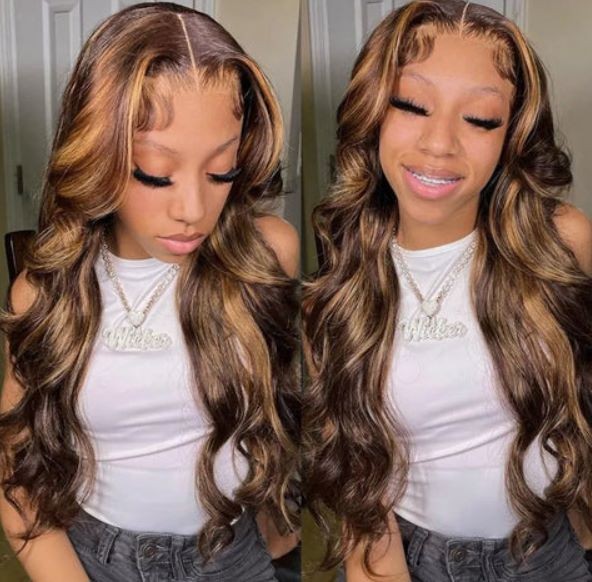
Buying a wig is often more emotional than practical. Whether the reason is hair loss, convenience, style experimentation, or confidence, expectations tend to be high. Many buyers assume premium quality automatically delivers a perfect result, only to realize later that there is more nuance involved. Understanding the reality behind human hair wigs before making a purchase can save time, money, and frustration.
What Makes Human Hair Wigs Different
Human hair wigs are made from real human hair collected from donors, then cleaned, sorted, and processed. This gives them a natural appearance, realistic movement, and styling flexibility that synthetic wigs cannot fully replicate. They can be washed, heat-styled, and colored, which makes them appealing to first-time buyers and long-term users alike.
However, “human hair” is a broad category. The source of the hair, how it is processed, and how it is constructed into a wig all significantly affect quality and longevity. Many buyers only learn this after noticing shedding, tangling, or texture changes within weeks of use.
Hair Origin Matters More Than Most Buyers Realize
One of the least discussed aspects is hair origin. Human hair may come from different regions, each with distinct characteristics in thickness, cuticle strength, and texture. Some hair types are naturally more durable, while others require heavier processing to meet market expectations.
Excessive chemical processing, often done to standardize color or texture, weakens the cuticle layer. While the wig may look flawless initially, over-processed hair tends to dry out faster and lose its softness. Buyers often mistake this for poor maintenance when the issue lies in the hair’s origin and treatment.
The Truth About “Remy” and “Virgin” Labels
Marketing terms can be misleading if buyers don’t understand them clearly. Remy hair means the cuticles are aligned in the same direction, reducing tangling and improving longevity. Virgin hair refers to hair that has not been chemically treated.
In reality, not all wigs labeled as Remy or virgin meet strict definitions. Some products combine different hair qualities or lightly process hair while still using premium labels. This does not always indicate dishonesty, but it does mean buyers should look beyond labels and ask about sourcing, processing methods, and quality control standards.
Wig Construction Impacts Comfort and Appearance
The cap construction determines how natural the wig looks and how comfortable it feels during extended wear. Lace front, full lace, monofilament, and hand-tied designs all serve different needs.
Lace fronts provide a realistic hairline, while monofilament tops allow for flexible parting. Hand-tied wigs offer the most natural movement but come at a higher cost. Buyers sometimes focus solely on hair quality and overlook cap design, later realizing discomfort or limited styling options.
Density Is Not About Thickness Alone
Many first-time buyers choose high-density wigs assuming thicker means better. In practice, density should match face shape, age, and personal style. Excessive density can look unnatural, especially in daily wear, while lower density often mimics real hair more accurately.
Density also affects weight and airflow. A lighter, well-balanced wig often feels more comfortable and realistic than a heavy, overly thick option. This balance is something experienced buyers appreciate after trial and error.
Maintenance Is Not Optional
Human hair wigs require consistent care. Unlike synthetic wigs, they do not retain their style after washing. Regular conditioning, gentle detangling, and proper storage are essential to maintain softness and shape.
Buyers often underestimate maintenance time and cost. Professional styling, specialized products, and occasional repairs should be factored into the purchase decision. Understanding this upfront helps align expectations with reality.
Longevity Depends on Usage Habits
How long a human hair wig lasts depends largely on how it is worn and maintained. Daily wear, frequent heat styling, and exposure to friction can shorten lifespan. With proper care and rotation, a high-quality wig can last well over a year, but misuse can reduce that timeline significantly.
This is why some buyers feel disappointed despite investing in a premium product. The wig may be high quality, but usage habits play a critical role in performance.
Customization Is Often Worth the Investment
Many wigs look best after customization. Trimming the lace, adjusting density, or shaping layers can transform a good wig into a great one. Factory styles are designed to suit a wide audience, not individual features.
Buyers who skip customization sometimes assume the wig itself is flawed. In reality, small professional adjustments often make the difference between an average and a natural-looking result.
Price Does Not Always Equal Quality
Higher price points often reflect labor, sourcing, and construction, but they do not guarantee perfection. Some mid-range wigs outperform expensive ones depending on hair origin, processing, and craftsmanship.
Savvy buyers focus on transparency rather than price alone. Clear information about sourcing, processing, and care requirements is often a better indicator of value than branding.
What Buyers Learn After the First Purchase
Most experienced users agree that the first purchase is a learning experience. Expectations become more realistic, preferences more refined, and questions more specific. Understanding hair type, cap construction, density, and maintenance leads to better decisions over time.
This knowledge helps buyers choose products that suit their lifestyle rather than chasing idealized marketing images. Confidence grows when the wig feels like an extension of personal style, not a compromise.
Making an Informed Choice Going Forward
Human hair wigs can be empowering, practical, and aesthetically satisfying when chosen with clarity. Knowing what goes into production, how maintenance affects longevity, and why customization matters allows buyers to approach the purchase with confidence.
For those seeking natural appearance, styling flexibility, and long-term value, understanding these realities makes all the difference—especially when investing in human hair wigs for women that are meant to support everyday life, not complicate it.