
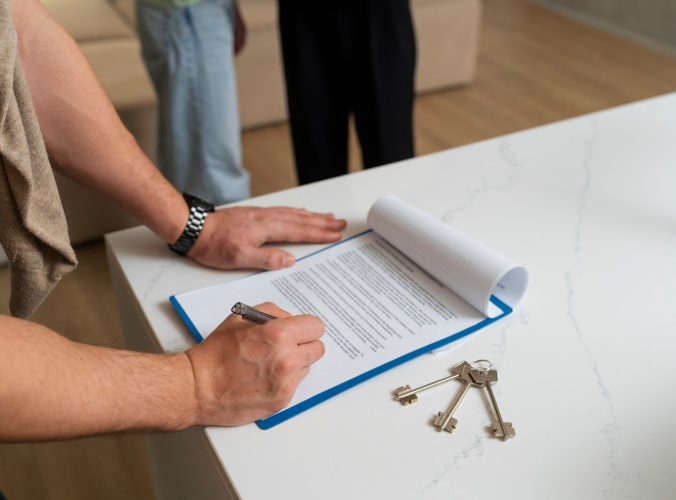
Understanding rental property inspection laws is important for all of us, landlords and tenants alike, in the UK. Inspections help landlords assess whether a property is well-tended, identify maintenance needs, and ensure compliance with legal safety laws — while also respecting tenants’ legal rights to privacy and quiet enjoyment. This guide to rental property inspection laws UK outlines the laws and guidance, best practices, and common inquiries across the UK regarding the inspection of rental properties.
What Is A Rental Property Inspection?
A rental property inspection is conducted by a landlord or letting agent at a rented property to:
- Verify the state of the property.
- Look for maintenance or safety concerns.
- Ensure that your tenants are maintaining the property.
- Make repairs or do compliance checks.
These inspections are a routine aspect of tenancy management, but the right to inspect is governed by law and tenancy agreements.
Legal Rights & Obligations: Landlords.
Access Rights (With Conditions)
Under UK law — particularly the Landlord and Tenant Act 1985 and the Housing Act 1988 — a landlord or their agent retains the right to inspect and enter a rental property to see its condition or undertake repairs. But that is not an unrestricted “right to enter whenever they like.”
Notice Requirements
Normally, at least 24 hours’ written notice is required before an inspection. It must state the date, time, and reason for the visit. Such a visit must occur at a reasonable part of the day (usually during working hours). Landlords who don’t give notice may infringe upon the tenant’s rights and face a legal dispute.
Emergencies
In emergencies — such as a fire, a major water or gas leak, or a structural collapse — landlords (or their contractors) can enter without advance notice to preserve life and property. This isn’t the standard, though.
Recommended Frequency
There is no specific legal limit on how often inspections can take place, but overly frequent inspections — such as monthly inspections (perhaps without good reason) — may be considered harassment. The most common piece of best-practice advice is to inspect every 3–6 months, according to the property condition and lease.
Tenant Rights (and What You Should Know.)
Quiet Enjoyment
Tenants of UK rental properties have a legal right to live in their homes without unnecessary interference from landlords or agents.
Written Notice Is Mandatory
Even if inspections are referenced in your tenancy agreement, a landlord needs to issue proper written notice — generally 24 hours — prior to entry. You can legally refuse entry if they don’t.
Privacy in Inspections
Landlords should focus on the property and not rummage through your personal belongings. Photos taken must be linked to repairs or condition records.
Refusing Access
Tenants may also decline entry if notice is not given or if timing is not reasonable — unless there is an actual emergency. Tenants may have the option to report harassment or breach of tenancy to a tribunal where repeated entry is unlawful.
Final Takeaways
Rental inspections are a staple of property management for all landlords and tenants in the UK, but they must not jeopardise tenants’ rights. Legal notice times, reasonable hours of access, and the tenant’s right to quiet enjoyment protect everyone involved and avoid disputes. No matter your position as a landlord or tenant, knowing your rights and responsibilities makes the rental experience smoother and helps keep the property safe and well-maintained.