
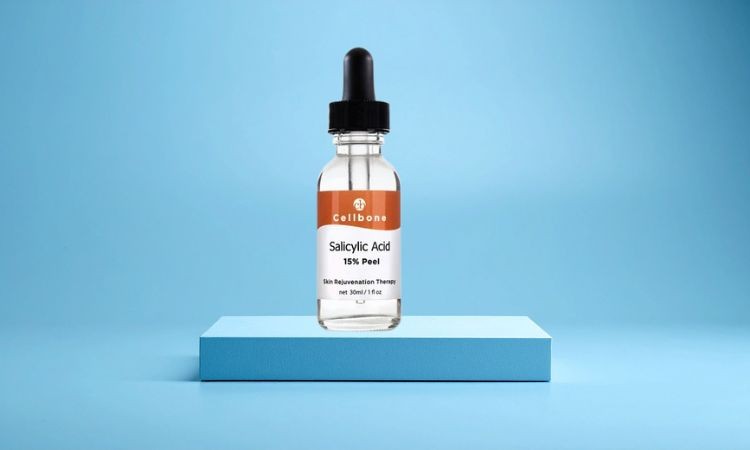
If your skin has been looking flat, tired or just not as bright as it used to be, a salicylic acid peel might be the reset button you didn’t realize you needed. Plenty of products promise glow, but very few actually cut through the buildup, oil and uneven texture that make skin appear dull in the first place. A good peel feels a little like clearing the noise from your complexion so the real radiance underneath can come through. But when is the right time to use one? How often? And who actually benefits most? Let’s dig into how this powerhouse exfoliant works and why it’s become a go-to solution for dull or congested skin.
What Makes Salicylic Acid a Standout for Dull Skin
Unlike surface-level scrubs, salicylic acid works deep. It’s oil-soluble, which means it breaks through layers of sebum and buildup sitting inside the pores. That’s exactly where dullness usually hides. Most people imagine “dead skin cells” living on top of the surface, but the truth is that congestion forms lower, where regular cleansers can’t always reach. When you apply a peel, you’re helping your skin shed what’s weighing it down so healthier, smoother skin can surface.
Another big reason people turn to this is its versatility. It works for dry, oily, combination and acne-prone skin. The only group that needs more caution is very sensitive skin, and even then, lower strengths or slower use schedules can make a big difference without irritation.
How Salicylic Acid Peels Support Clearer, Brighter Skin
Using a salicylic acid peel goes beyond making skin look “fresh.” It supports your complexion in several overlapping ways. First, it unclogs pores by dissolving buildup inside them. That alone helps reduce blackheads, bumpy texture and stubborn congestion around the T-zone. Second, it smooths the skin’s surface by encouraging faster cell turnover. This is why people notice their makeup goes on better and their skin tone looks more even after a few uses.
Another benefit is how salicylic acid helps calm inflammation. Dull skin often shows up when the barrier is stressed or irritated. Because this ingredient is naturally soothing, it tackles both the visible buildup and the underlying redness at the same time. It’s an exfoliant that doesn’t feel harsh, which is part of why dermatologists and estheticians use it so widely.
How to Know When It’s Time to Use a Peel
One of the most common questions people ask is how to tell whether they actually need a peel. If your skin feels rough even after moisturizing, looks shadowy in certain areas or has stopped responding to your usual products, that’s a strong sign. When your complexion starts to feel congested or makeup sits unevenly, a peel usually helps reset things. Many people also reach for salicylic acid during weather changes, especially at the end of summer or winter, when buildup tends to be worse.
Skin that breaks out often also benefits from peels, because unclogging pores reduces the impact of future breakouts. Even if dullness isn’t your main concern, clearing congestion typically leaves your skin more balanced and naturally brighter.
How to Use a Salicylic Acid Peel Safely and Effectively
A peel shouldn’t feel intimidating, but it does need to be used correctly. Start with clean, dry skin and apply an even layer. Most formulas stay on for a few minutes before you rinse or neutralize them, depending on the instructions. You’ll feel a mild tingle, that’s normal. What you shouldn’t feel is intense burning, so pay attention to how your skin reacts, especially during the first few uses.
After rinsing, hydration is your best friend. This is where a moisturizer or even a stem cell cream can support recovery by strengthening the barrier and locking in moisture. That combination - deep exfoliation followed by targeted nourishment, often gives the most noticeable improvement in brightness and smoothness.
Sunscreen is non-negotiable the next day, since freshly exfoliated skin is more sensitive to UV exposure.
Why Salicylic Acid Peels Outperform Regular Exfoliants
People often compare peels to scrubs or daily toners, but the difference is depth. Manual scrubs work on the surface. Toners offer mild exfoliation over time. But a peel clears the path quickly and more thoroughly, which is why the skin looks brighter almost immediately. It’s not just removing roughness, it’s helping your skin function better by clearing what slows it down.
Another advantage is consistency. Because a peel is used less frequently, you don’t overwhelm your skin with constant exfoliation. Instead, you create a rhythm where your complexion gets the reset it needs without daily stress.
Pairing Peels With the Rest of Your Routine
A peel works best when the rest of your routine supports recovery. Lightweight hydrating serums, soothing moisturizers and nourishing creams help restore balance.
Over time, alternating exfoliation with restorative products keeps dullness from coming back. You’re constantly renewing the surface while keeping the deeper layers supported.
How Often Should You Use a Salicylic Acid Peel?
Most people do best once per week, though some tolerate two. Sensitive or dry skin types may prefer every other week. The goal isn’t to peel as often as possible, it’s to peel just enough so the brighter, clearer skin underneath can maintain itself.
If your skin starts feeling tight or extra sensitive between sessions, scale back. If you notice smoother texture and more even tone but no irritation, you’re likely at the right frequency.
Conclusion
A salicylic acid peel is one of the most effective ways to revive dull, sluggish skin without committing to complicated routines or harsh treatments. Whether you’re dealing with buildup, uneven texture, breakouts or an overall lack of radiance, this type of peel clears away what’s holding your complexion back and helps healthier layers shine through.
FAQs
Does a salicylic acid peel help with acne?
Yes. Because it unclogs pores and reduces inflammation, it’s one of the best peel options for acne-prone skin.
Is a salicylic acid peel safe for sensitive skin?
It can be, but start with lower strengths and space out your sessions to avoid irritation.
How long until I see results?
Most people notice smoother, brighter skin within a few days, with continued improvement over several weeks.
What should I apply after a peel?
Hydrating products and barrier-supporting creams work best. Many people use a moisturizer or a stem cell cream for extra nourishment.